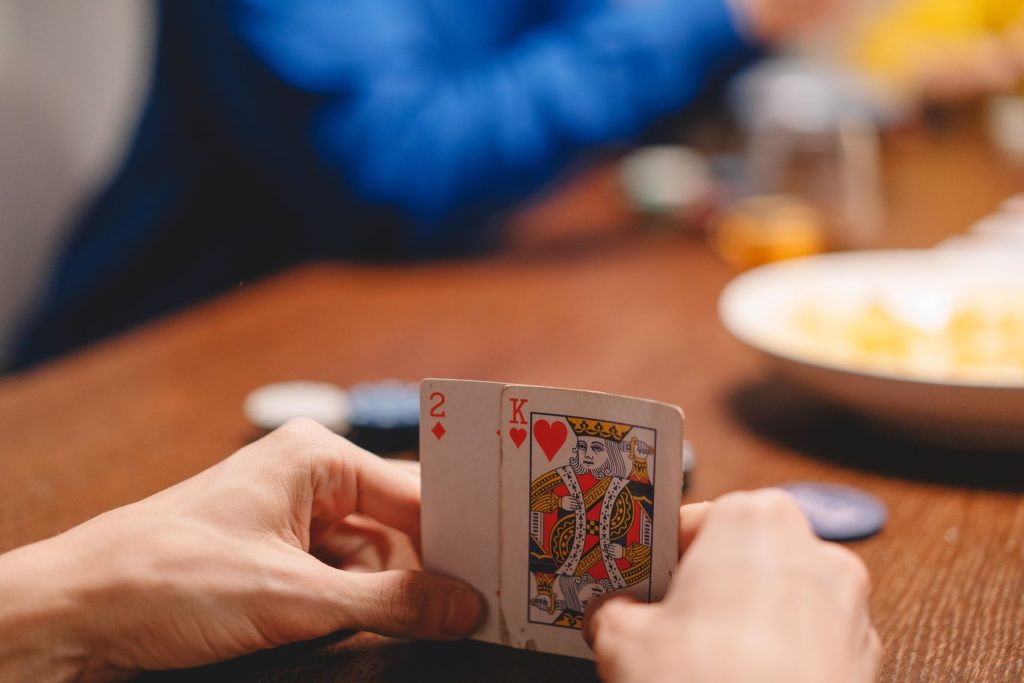
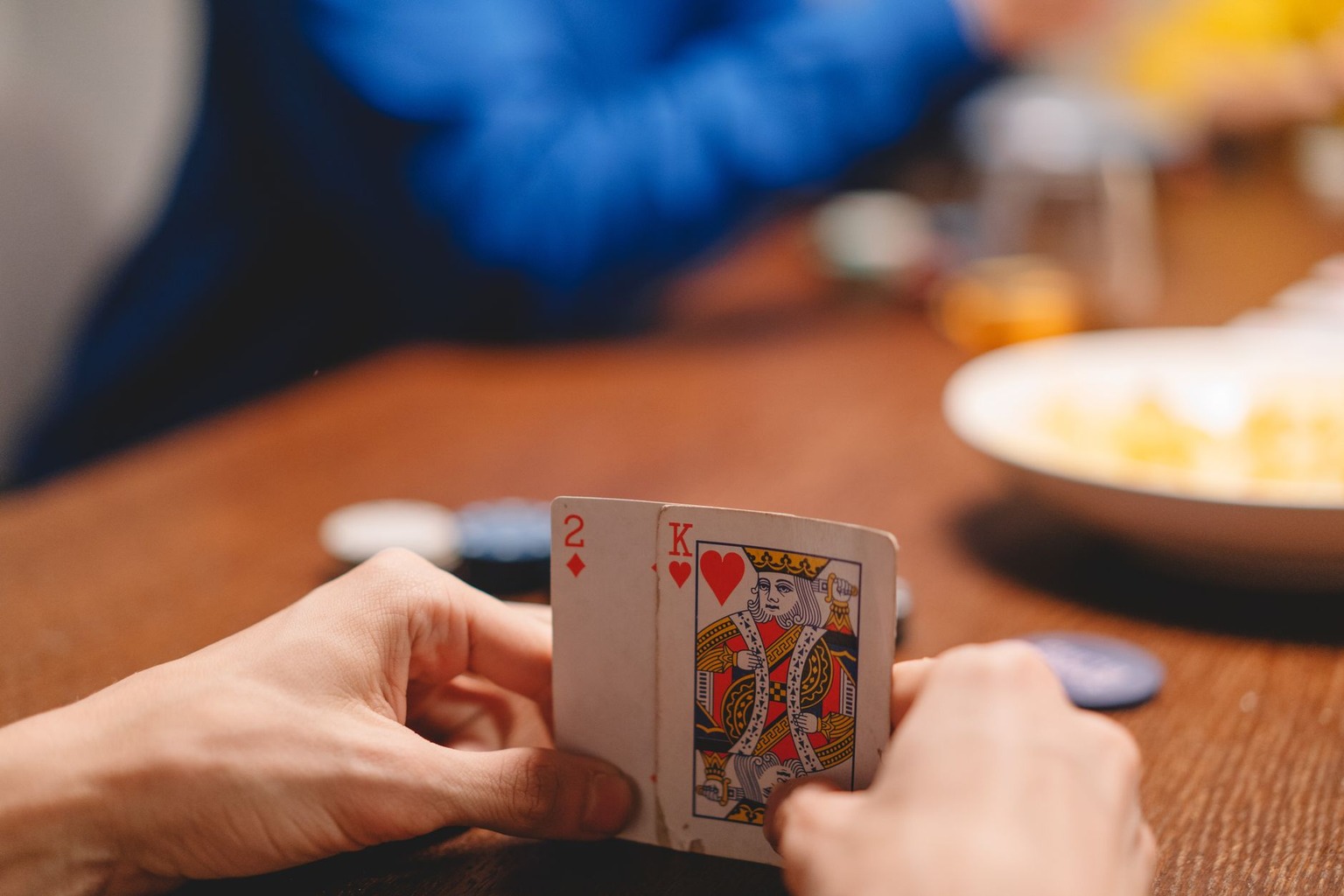
When you decide to play bridge four hands at the kitchen table or in a club setting, you are stepping into the most universal framework the game offers. This format assigns one complete deal to each compass position so that every player holds thirteen cards and the partnership logic unfolds naturally across the bidding and play. The structure eliminates the confusion of rotating partnerships or incomplete boards and gives beginners a clean laboratory for learning suit establishment, trump management, and defensive signaling. Experienced players also return to this baseline because it isolates a single tactical puzzle without the scoring distortions of matchpoints or IMPs across multiple boards. Mastering this elemental unit is the prerequisite for every higher level of competition.
Why the Four Hand Layout Remains the Gold Standard
The four hand layout endures because it balances fairness with simplicity in a way that no variant has improved upon. Each deal distributes the fifty two cards evenly so that no seat enjoys a structural advantage and the only edges come from judgment and technique. Clubs run novice lessons on this model because a single table can finish a hand in seven to eight minutes while still illustrating opening bids, responses, rebids, and the full arc of declarer play. Tournament directors appreciate that the format requires no duplicate boards, no traveling scoresheets, and no movement schedules, just a deck and four chairs. Even online platforms default to this arrangement for casual tables because the software logic stays trivial and the user experience stays fast.
Psychologically the format creates a complete narrative arc that longer sessions sometimes dilute. You bid, you declare or defend, you count tricks, you score, and the story ends with a clear result that can be discussed immediately. That immediacy accelerates learning because the feedback loop between decision and outcome stays tight. When I coach intermediates I insist they replay the same four hand deal three times rotating seats each round so they internalize how the same assets look from declarer’s view versus defender’s view. The exercise would be impossible in a Chicago or rubber game where the deal changes every hand.
Physical Setup and Card Handling Discipline
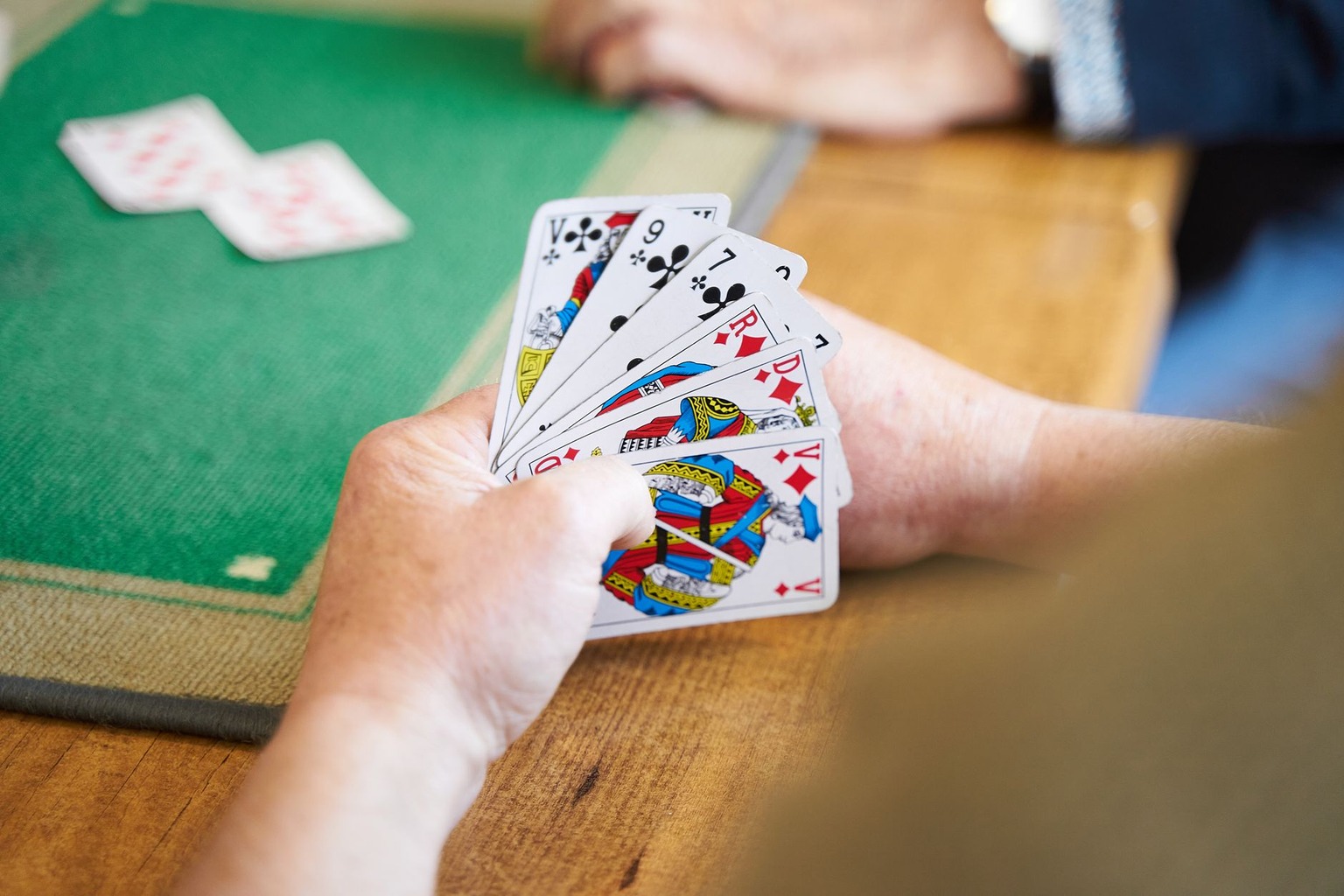
Start with a quality plastic coated deck because paper cards bend after a few sessions and slow down the shuffle. Deal clockwise one card at a time until each player holds thirteen; resist the temptation to deal in packets of four because the rhythm masks irregularities and invites accusations of false shuffles. After the deal each player sorts by suit then rank, traditionally spades hearts diamonds clubs with honors at the left, a habit that lets partners glance at a fanned hand and instantly gauge shape. Keep the dummy face down until the opening lead is faced; turning it prematurely leaks information and violates both etiquette and the laws.
When dummy spreads, arrange suits in columns with trumps on the declarer’s left so the eye scans naturally from trump length to side suit winners. Overlap cards slightly rather than stacking them tight because overlapping reveals spot cards that matter for suit preference signals. At the end of play shuffle the four hands together with a quick riffle and a strip cut; a single riffle is statistically insufficient to randomize a fifty two card deck but two riffles plus a cut reaches acceptable entropy for social play. If you host a regular group invest in a dealing machine, even a budget model, because it eliminates dealer fatigue and guarantees truly random distributions for serious practice.
Bidding Mechanics Tailored to a Single Board
Without the pressure of a part score battle across multiple boards you can bid more scientifically and less tactically. Open light in third seat knowing that a minus one hundred is just data not a matchpoint disaster. Use a strong notrump range of fifteen to seventeen high card points because the frequency works perfectly with standard responses and avoids the rebid problems of a weak notrump on a single deal. Adopt two over one game forcing for the unresponder hand; it clarifies slam investigations on the one board where you actually hold the values. If you play a conventional defense to notrump such as DONT or Cappelletti keep it simple, the opponents will not have a second chance to punish a misunderstanding.
Treat the auction as a pure information exchange rather than a psychological weapon. Hesitations carry more weight at a single table because there is no tempo from other tables to mask them so bid in steady rhythm. When you hold a borderline game try bid invite with a constructive raise rather than guessing; partner’s acceptance or sign off resolves the hand cleanly. Remember that the scoring table for an isolated deal rewards making game far more than pushing a part score so err toward aggression when vulnerability favors you. This mindset shift alone adds ten to fifteen percent to your long term results when you transition to duplicate.
Declarer Play Fundamentals on a Fresh Deal
Count your winners and losers before you call for the first card from dummy, this discipline separates club players from experts. On a fresh deal you have no field average to chase so the correct line is always the one with the highest mathematical probability not the one that beats the field. If you need a finesse and a suit break calculate the combined percentage; a fifty percent finesse times a thirty six percent three three break yields eighteen percent which may be inferior to a pure squeeze line at twenty two percent. Take the time to run the numbers because the clock is not ticking for a movement change.
Manage entries with the same rigor you apply to a multi board session. A classic error is cashing the ace king of a side suit early and stranding the queen in dummy with no re entry. Plan the transportation before trick one and if the plan requires preserving a specific entry duck the opening lead even when it hurts. Defenders on a single board often fail to shift at the critical moment because they cannot see the full layout so declarer who protects entries usually gets rewarded. Practice the habit of stating your line aloud in friendly games, “I will ruff two diamonds in hand then cross in clubs”, because verbalizing forces logical coherence.
Defensive Signaling and Partnership Trust
Standard count and attitude signals work best on an isolated deal because you and partner share the same context without tournament pressure to disguise methods. Lead fourth best from your longest and strongest against notrump and top of a sequence against suits; consistency lets partner place the missing honors within two tricks. When discarding use the Lavinthal or odd even method you have agreed upon and never improvise a new signal mid session, confusion costs more than the information gains. If you hold a doubleton honor in partner’s led suit signal encouragement with the higher card so partner can continue the suit confidently.
Trust is the invisible asset that turns good defense into great defense. On a single board you cannot rely on a partner’s reputation from previous rounds so you must build credibility hand by hand. Always falsecard when it cannot cost a trick; the habit trains partner to read your true cards and trains opponents to doubt your signals. When partner gives count you believe it even if the layout looks strange because second guessing creates the very ambiguity that loses tricks. After the hand review the signaling decisions together not the bidding, defense is where partnerships win or lose the isolated board.
Scoring Variations for the Single Table
Rubber bridge scoring adds a layer of strategy that pure total points lacks because the bonus structure rewards bidding and making games. Play two game rubbers with a fifty point part score bonus and three hundred five hundred game bonuses vulnerable not vulnerable; the numbers are small enough to track mentally but large enough to create genuine tension. If you prefer duplicate style scoring convert each deal to matchpoints by comparing your result against a theoretical field of eight pairs, top gets seven matchpoints bottom gets zero. This simulation teaches you which contracts are normal and which are phantom sacrifices.
For pure practice ignore scoring entirely and grade each hand on a zero to ten scale for bidding accuracy declarer play and defense. A hand where you reach the optimal contract play perfectly and defend perfectly scores thirty; anything below twenty signals a leak to plug. Keep a simple spreadsheet with columns for date dealer vulnerability contract result and self grade; after twenty hands patterns emerge that no post mortem conversation reveals. The data driven approach turns a casual evening into a measurable improvement cycle.
Transitioning from Four Hands to Duplicate Sessions
The jump from a single table to a duplicate game feels smaller when you have internalized the four hand rhythm. You already know how to count a hand plan entries and signal honestly; the new variables are the movement the comparison scoring and the time pressure. Prepare by playing eight board rounds at home with a friend using pre dealt boards and a timer set to seven minutes per board. Score each round on a traveling sheet then compare your matchpoints to the theoretical par, this mimics the tournament feedback loop without the travel.
When you sit down for your first club game treat each board as the four hand deal you have mastered. The opponents’ conventions the director’s announcements and the hum of other tables are noise; your process is signal. Trust the habits you built at the kitchen table: sort the same way count the same way signal the same way. The players who improve fastest are the ones who refuse to let the environment change their fundamentals. Master the atom and the molecule takes care of itself.

I’ve been playing bridge and other card games since my grandparents taught me the basics at age eight. I love exploring strategy, history, and the community behind each game, and I enjoy sharing tips and stories with fellow enthusiasts.