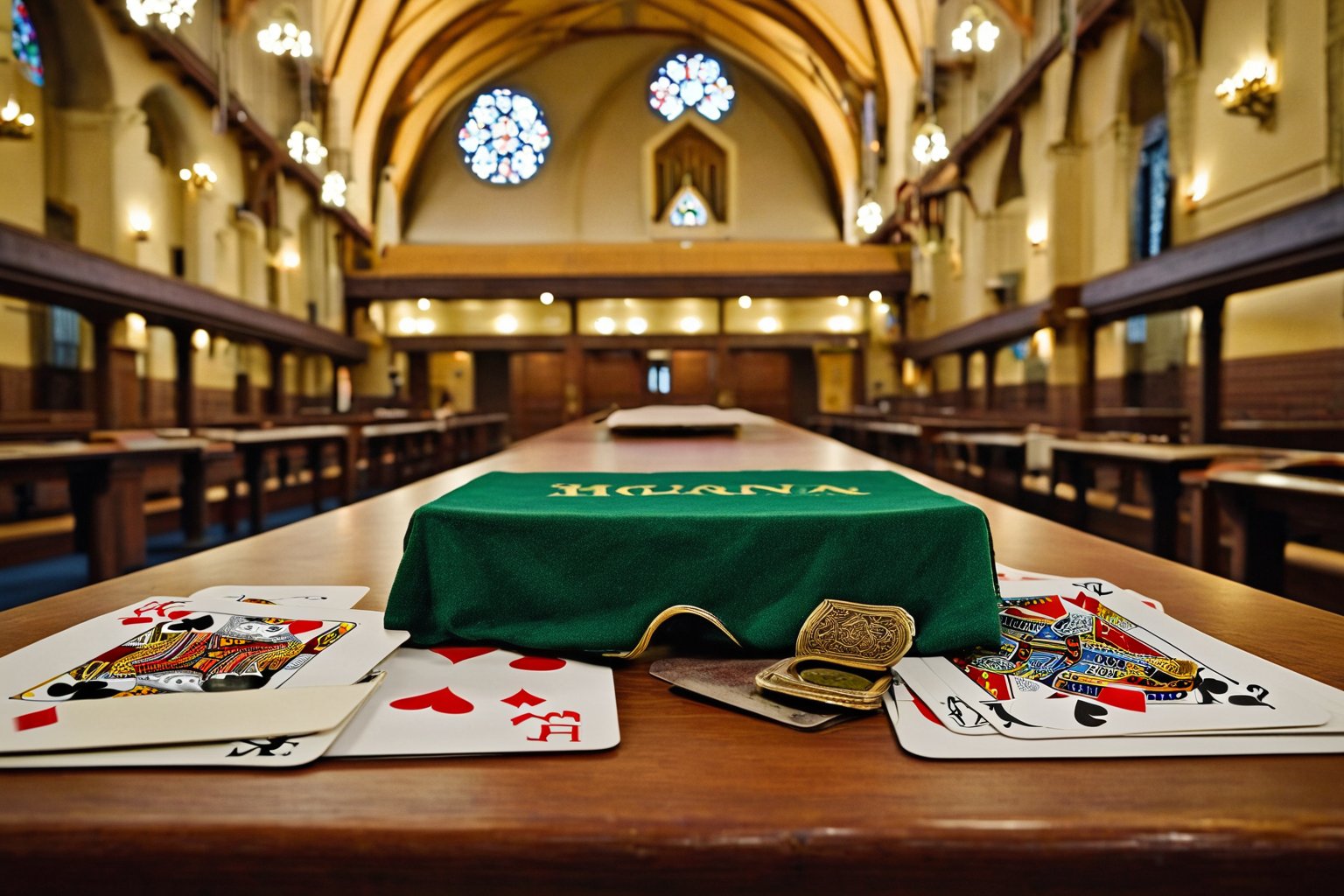
The temple sinai duplicate bridge club operates as a sanctioned duplicate bridge venue that emphasizes competitive integrity and community engagement within a synagogue setting. Players gather weekly to contest hands under ACBL regulations, earning masterpoints that feed directly into their national rankings. The room typically accommodates twelve to sixteen tables, allowing for a full Mitchell movement or a Howell when attendance fluctuates. Directors run a tight ship, posting recap sheets within minutes of the final board so participants can verify scores before leaving. This efficiency has cultivated a loyal following that values punctuality and procedural clarity above all else.
Venue Layout and Playing Conditions
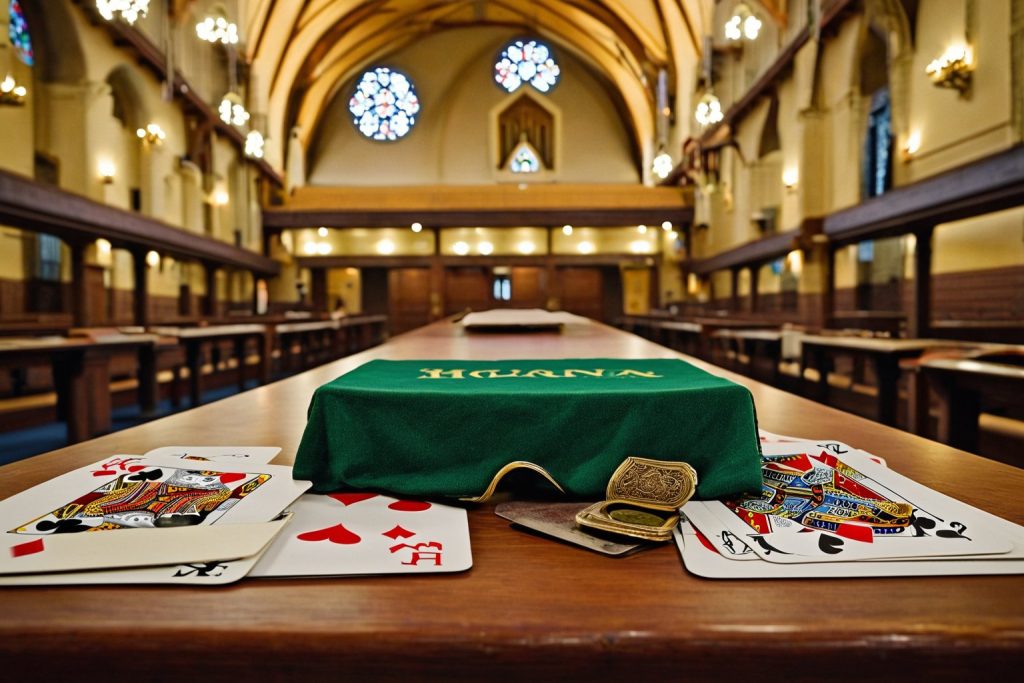
The physical space occupies a social hall with high ceilings and adjustable lighting, which reduces glare on bidding boxes and scorecards. Tables are spaced at least three feet apart, minimizing cross-table conversation that could compromise ethical standards. Climate control stays consistent year-round, a detail regulars appreciate during humid summer months when cards can warp. A dedicated hospitality station offers coffee, water, and light snacks, funded by a modest surcharge built into the entry fee. These amenities create an environment where focus remains on the auction and play rather than discomfort.
Acoustics receive special attention because duplicate bridge demands quiet concentration during the bidding phase. Wall-mounted panels absorb ambient noise, and the director uses a wireless microphone for announcements so voices never need to rise above a conversational level. Emergency exits are clearly marked and unobstructed, satisfying both fire code and the ACBL’s safety checklist. The layout also includes a side room for partnership discussions between sessions, giving pairs a private area to review convention cards without disturbing ongoing games. Such thoughtful design elevates the overall tournament experience.
Game Format and Scheduling Nuances
Sessions launch promptly at 12:30 p.m. on Wednesdays and 7:00 p.m. on Mondays, with a strict fifteen-minute grace period for late arrivals. The club runs a stratified open game, typically divided into three strata based on masterpoint holdings: 0–750, 750–2500, and unlimited. This structure ensures that newer players compete for section tops against peers while still sharing the same field as life masters. Special events, such as the annual charity game or the club championship, temporarily suspend stratification in favor of an open field with enhanced masterpoint awards.
Directors employ a standard Mitchell movement for fields of ten tables or more, switching to a Howell when attendance drops below that threshold. Board sets are pre-dealt using a computer-generated algorithm, eliminating any suspicion of manual stacking. Hand records print on both sides of a single sheet, displaying the double-dummy analysis for post-mortem study. Players often linger after the final round to compare lines of play, turning the recap period into an informal coaching clinic. This blend of competition and education distinguishes the schedule from purely social rubber bridge gatherings.
Director Expertise and Ethical Oversight
The club retains two ACBL-certified directors who alternate weeks, each boasting over two decades of tournament experience. Their rulings follow the Laws of Duplicate Bridge without deviation, and they publish a monthly “Director’s Corner” email clarifying common infractions such as insufficient bids or unauthorized information. When a hesitation occurs, the director polls the table impartially, applying Law 16 to determine whether the pause conveyed extraneous data. This rigor discourages angle shooting and maintains the field’s trust in the final standings.

Appeals committees convene only when a director’s judgment involves a bridge judgment call rather than a procedural matter. The committee comprises three life masters unaffiliated with the parties involved, ensuring neutrality. Decisions are documented and archived, creating a precedent library that newer directors consult during training. Transparency extends to the recap sheets, where adjusted scores appear in red with a brief code referencing the applicable law. Members appreciate this openness because it transforms penalties into learning moments rather than sources of resentment.
Partnership Dynamics and Mentorship Culture
A bulletin board near the entrance lists players seeking regular partners, categorized by system preference and availability. The club also hosts a quarterly “Partnership Desk” evening where unattached players rotate through mini-sessions, allowing them to test compatibility before committing to a series. Mentorship emerges organically; life masters frequently volunteer to play with advancing players during the Monday night game, which carries a slightly lower masterpoint ceiling. These arrangements accelerate skill transfer far more effectively than passive observation.
Convention card reviews happen informally over coffee between rounds, but the club formalizes the process twice a year with a “System Check” workshop. Participants bring their completed ACBL convention cards, and a panel of experts suggests adjustments for legality and efficiency. Common tweaks involve clarifying negative double ranges, updating notrump structure over interference, and standardizing leads and signals. The result is a field where system misunderstandings rarely disrupt the tempo of play, keeping the game moving at a brisk twenty-seven boards per session.
Masterpoint Strategy and Competitive Incentives
Masterpoint awards follow the ACBL’s club masterpoint schedule, with section tops in the unlimited stratum yielding roughly 0.80 points on a typical Wednesday. Club championships multiply those awards by 1.5, while the annual sectional tournament hosted on-site can deliver up to 2.50 points for an overall win. Savvy players target these high-yield events, often adjusting their personal calendars months in advance. The club posts a running “Race to the Top” leaderboard in the hallway, tracking each member’s annual accumulation and fueling friendly rivalry.
Stratified prizes ensure that a 500-masterpoint player who wins their stratum receives the same recognition as the open winner, including a printed certificate and a small gift card to the synagogue’s gift shop. This inclusivity encourages retention; newer members see a tangible path to achievement without needing to defeat nationally ranked experts. The director also awards “Best Played Hand” accolades based on post-mortem analysis, rewarding declarer technique and defensive ingenuity alike. These non-masterpoint honors reinforce the idea that bridge excellence encompasses more than raw scoring.
Community Integration and Social Fabric
The synagogue’s broader membership views the bridge club as a vibrant intergenerational program, and the clergy occasionally drop in to observe a round or offer a brief d’var torah connecting partnership trust to communal values. Holiday schedules adjust automatically; the club goes dark on major festivals but adds a Sunday afternoon game during the winter break when retirees have extra leisure time. Proceeds from the annual charity game support the synagogue’s food pantry, linking competitive bridge directly to tikkun olam. This alignment of recreation and social responsibility deepens member loyalty beyond the felt table.

Newcomers receive a welcome packet that includes a glossary of common conventions, a map of the building, and a coupon for a free first session. A designated “greeter” volunteer sits near the entrance for the first thirty minutes of each game, answering logistical questions and introducing visitors to potential partners. The club’s website maintains an up-to-date calendar, results archive, and a searchable directory of members who have opted in for partnership inquiries. These digital tools complement the in-person warmth, ensuring that the community scales gracefully as membership approaches the room’s capacity ceiling.
Operational Sustainability and Future Outlook
Financial statements shared at the annual meeting reveal a modest surplus reinvested into new bidding boxes, updated dealing machines, and a reserve fund for HVAC replacement. Entry fees have remained unchanged for three years, a stability made possible by careful vendor negotiations and volunteer labor for setup and teardown. The board explores a hybrid model that would stream the club championship to remote kibitzers via a secure video link, expanding the audience without diluting the live experience. Pilot tests during the pandemic proved the technology viable, though bandwidth in the social hall remains a limiting factor.
Succession planning addresses the inevitable turnover in volunteer leadership. A shadow-director program pairs interested members with the current directors for a six-month apprenticeship, covering scoring software, movement design, and conflict resolution. Two apprentices have already earned their club director certification, securing the pipeline for the next decade. Meanwhile, the club collaborates with the local unit to host a novice game on Saturday mornings, feeding graduates into the main sessions. This ecosystem of recruitment, training, and retention positions the temple sinai duplicate bridge club to thrive as both a competitive arena and a communal cornerstone for years to come.

I’ve been playing bridge and other card games since my grandparents taught me the basics at age eight. I love exploring strategy, history, and the community behind each game, and I enjoy sharing tips and stories with fellow enthusiasts.