
Mastering the psychological aspects of bridge is as crucial as understanding the rules and strategies of the game. In competitive play, the ability to read opponents, manage your emotions, and influence the perceptions of others can significantly impact the outcome. This article explores essential psychological strategies to improve concentration in bridge, helping players enhance performance and gain a competitive edge in tournaments.
Understanding Your Opponents
One of the core elements of bridge psychology is the ability to accurately assess your opponents’ strengths and weaknesses. Observing their bidding patterns, card play, and even body language can provide valuable insights into their strategies. For example, if an opponent consistently bids aggressively, they may be playing a more risk-tolerant style, which could indicate a strong hand or a bluff. By recognizing these patterns, you can adjust your strategy accordingly, either by playing conservatively to avoid their traps or by exploiting their weaknesses.
Additionally, maintaining a mental note of how your opponents react to different plays can help you predict their future actions. For instance, if a player hesitates before making a bid, it may signal uncertainty or a weaker hand. Understanding these subtleties can give you an advantage, allowing you to make informed decisions based on their psychological state.
Developing Your Emotional Control
Accurate hand evaluation is vital in competitive bridge. The pressure of the game can lead to stress and anxiety, which may cloud judgment and lead to mistakes. Developing techniques to manage these emotions is essential for consistent performance. One effective method is visualization, where you mentally rehearse different scenarios and your responses to them. This practice can help you remain calm and collected during actual gameplay, enhancing your decision-making abilities.
Another strategy is to adopt a routine before each game. This could involve deep breathing exercises, meditation, or even simple stretches to release tension. By establishing a pre-game ritual, you can create a sense of normalcy and focus, allowing you to approach each match with a clear mind and a positive attitude. Emotional resilience not only helps you maintain focus but also creates a more enjoyable playing experience.
Reading Non-Verbal Cues
In bridge, signals in bridge defense can be just as telling as verbal communication. Players often reveal their thoughts and intentions through body language, facial expressions, and even the way they handle their cards. For instance, a player who fidgets or avoids eye contact may be feeling unsure about their hand or strategy. By honing your ability to read these cues, you can gain insights into your opponents’ mental states and adjust your play accordingly.

Conversely, it’s equally important to manage your own non-verbal signals. Being mindful of how you present yourself at the table can prevent opponents from accurately reading your intentions. For example, maintaining a neutral expression and consistent posture can help you avoid revealing information about your hand. The less your opponents can decipher from your body language, the more you can control the psychological dynamics of the game.
The Art of Misdirection
Misdirection is a powerful psychological tactic within bridge team strategies. By intentionally misleading your opponents, you can create opportunities that may not have existed otherwise. One way to employ misdirection is through bridge rebidding strategies in your bidding. For instance, you might make an unexpected bid that suggests a stronger hand than you actually hold. This tactic can lead opponents to underestimate your hand or overcommit to a risky play, allowing you to capitalize on their mistakes.
Furthermore, employing tactical pauses or unexpected plays can also serve as a form of misdirection. For example, taking longer than usual to make a play can create uncertainty in your opponents, causing them to second-guess their strategies. Just as in a game of poker, the ability to bluff effectively can be a game-changer in bridge, creating openings that lead to victory.
Building Your Partnership Dynamics
In bridge, the relationship between partners is pivotal for understanding bridge conventions. Developing a strong partnership involves understanding each other’s playing styles and establishing effective communication. This includes not only the technical aspects of bidding and card play but also the psychological dynamics at play. Regularly discussing your strategies and preferences can enhance your synergy and reduce misunderstandings during competitive play.
Moreover, fostering a supportive environment can help both partners maintain emotional stability. Encouraging open dialogue about mistakes and successes can build trust and resilience. When both players feel comfortable expressing their thoughts, it leads to better performance as a team. Remember, a solid partnership can significantly influence the psychological aspect of the game, allowing for more cohesive strategies and improved results.
Utilizing Psychological Warfare
Psychological warfare in bridge involves subtle tactics aimed at unsettling your opponents. This can include strategic comments about their play style, which can plant seeds of doubt. For instance, casually critiquing an opponent’s bid in a non-confrontational manner can make them second-guess their decisions. However, this tactic requires caution; it should never cross the line into overt hostility or disrespect.
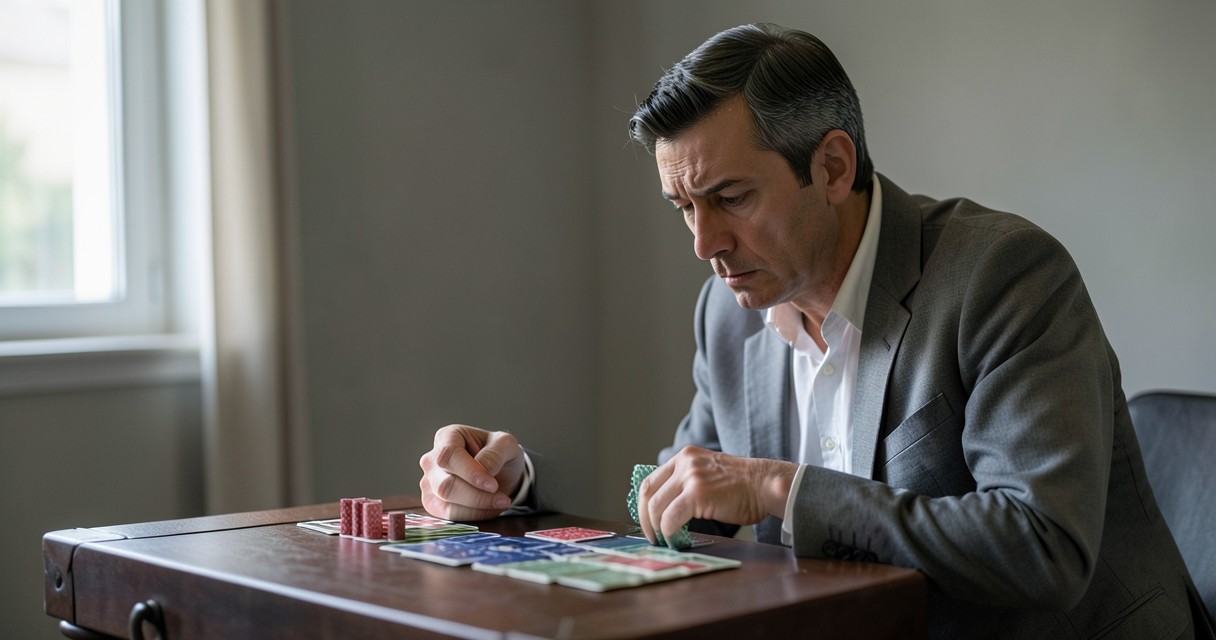
Another method is to create a sense of urgency or pressure. For example, if you notice an opponent is indecisive, you might speed up your own decision-making process. This can heighten their anxiety and lead to mistakes. However, it’s crucial to maintain sportsmanship; the goal is to gain a competitive edge without compromising the integrity of the game.
Learning from Experience
Finally, mastering bridge psychology involves continuous learning from your experiences. After each game, take the time to reflect on both your performance and your opponents’ strategies. Analyzing what worked and what did not can provide valuable insights for future matches. Keeping a journal of your games can help track patterns and refine your psychological approach over time.
Engaging in discussions with fellow players about their experiences can also broaden your understanding of psychological tactics. Learning from others can introduce you to new strategies and perspectives that enhance your own gameplay. Remember, the world of bridge is vast, and every match offers an opportunity for growth and improvement in your psychological mastery of the game.

I’ve been playing bridge and other card games since my grandparents taught me the basics at age eight. I love exploring strategy, history, and the community behind each game, and I enjoy sharing tips and stories with fellow enthusiasts.