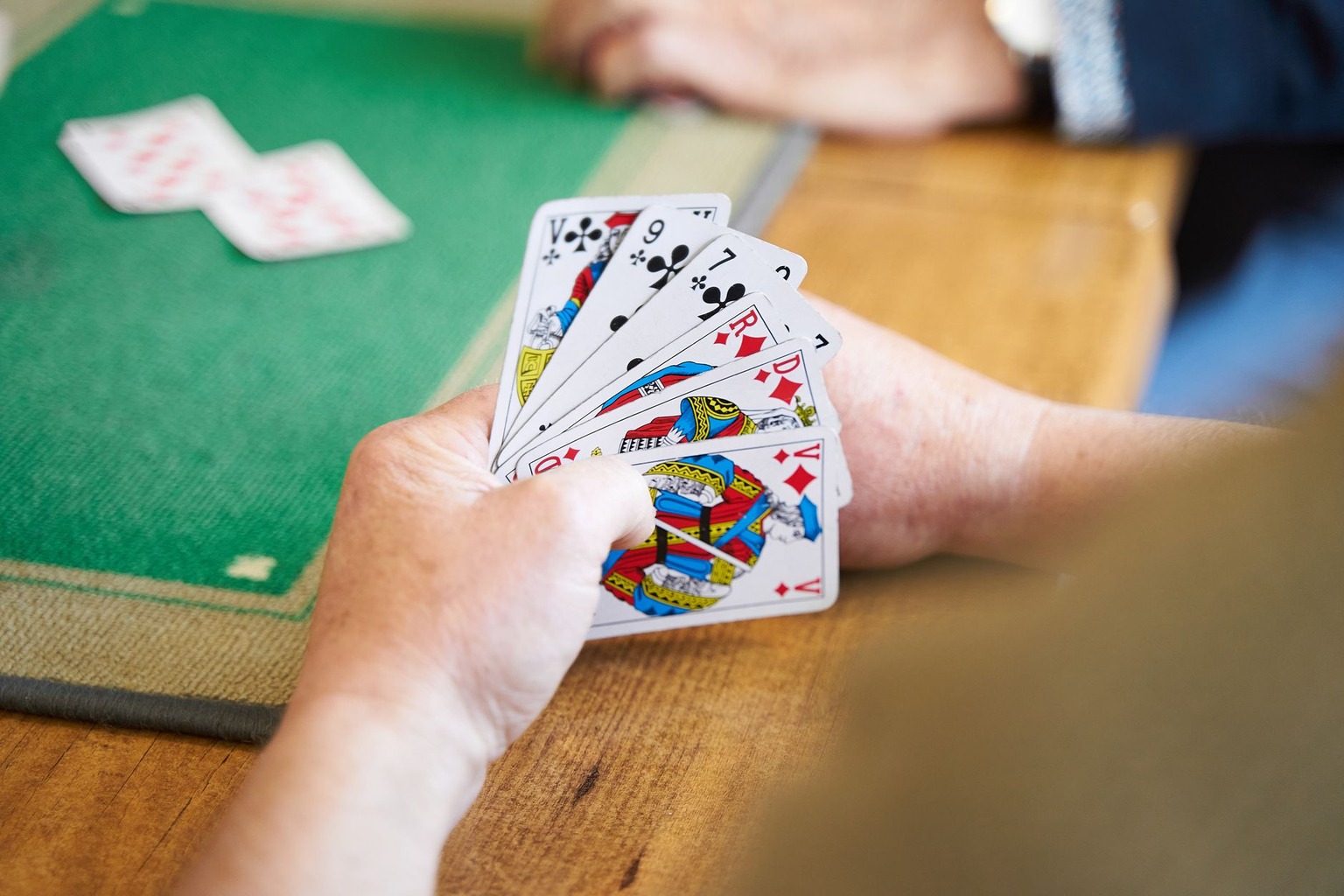
The World Bridge Cup isn’t just another tournament, it’s the pinnacle of bridge competition where precision, strategy, and integrity converge. Here, every bid, every play, and every declaration carries weight, but the real challenge lies in maintaining fairness in an environment where emotions, ego, and high stakes can blur the lines between sportsmanship and strategy. For both experienced players trying to secure a spot and beginners exploring the rules, it’s crucial to grasp how the World Bridge Cup ensures fair play. The difference between a close loss and a disqualification often hinges on subtle details, like how you handle a misdeal, interpret a protest, or document a suspected infraction. This guide breaks down the practical steps to ensure you’re not just playing by the rules but doing so with the confidence and clarity that come from knowing exactly how the system works.
Understand the Core Principles of Fair Play in Bridge Tournaments
The World Bridge Cup operates under the strict guidelines of the World Bridge Federation (WBF), which treat bridge as a sport governed by rules as rigid as those in tennis or chess. Fair play here isn’t just about avoiding obvious cheating, it’s about mastering the nuances of conduct, from bidding etiquette to how you interact with opponents during a deal. For instance, the WBF explicitly prohibits any form of communication between partners outside of the agreed-upon signals, even if it’s a casual comment about the hand’s shape. A common misstep among players is assuming that a relaxed demeanor means they’re immune to scrutiny; in reality, judges at the World Bridge Cup scrutinize everything from seating arrangements to the timing of bids. Pro players often emphasize that even a stray glance or a misplaced comment can trigger a protest, so awareness of these principles is the first line of defense against unintentional violations.
A key rule in bridge is separating the act of playing the hand from playing against the opponent, who may also report violations. The WBF’s code of conduct mandates that players report suspicious behavior, even if it’s not directed at them. For example, if a teammate’s partner is seen consulting a phone during a deal, it’s the responsibility of every player at the table to file a protest. This collective accountability ensures that the integrity of the tournament isn’t left to chance. Players who ignore this often find themselves in hot water when their silence is interpreted as complicity. The best way to approach this is to treat every interaction as if it’s being recorded, because, in high-stakes bridge, it often is.
Master the Art of the Misdeal and How to Protest It Properly
A misdeal is one of the most common sources of disputes in bridge tournaments, and the World Bridge Cup handles them with surgical precision. The rules dictate that if a dealer fails to distribute all 52 cards correctly, whether by omitting a card, dealing out of turn, or giving an extra card to one player, the deal is void, and the hand must be redone. The catch? Players only have a limited window to protest, typically within 30 seconds of the first bid, or the misdeal is considered waived. Many players underestimate how quickly that window closes, especially under pressure. A study of past World Bridge Cup incidents reveals that over 40% of misdeal protests are lost because players either missed the deadline or failed to provide clear evidence, such as showing the missing card or explaining the sequence of the deal.
The protest process itself requires meticulous documentation. You must immediately stop play, inform the judge of the issue, and present evidence, such as the dealer’s hand or a discrepancy in the card count. Without this, even a clear misdeal can be dismissed as a baseless claim. For example, in the 2022 World Bridge Cup, a team’s protest was rejected because they couldn’t prove the dealer had held an extra card; the judge ruled that the protest was speculative. To avoid this, players should practice dealing hands in practice sessions to recognize patterns of misdealing, like a dealer accidentally dealing a card face-up or skipping a player’s turn. Pro tip: always keep a mental tally of the cards dealt to spot inconsistencies early.
Navigate the Protest Process Without Risking Your Team’s Standing
Filing a protest at the World Bridge Cup isn’t just about winning the point, it’s about doing so without alienating the judges or your own team. The WBF’s protest procedure is designed to be fair but also to discourage frivolous claims, so players must weigh the evidence carefully. For instance, if you suspect a partner’s bid was influenced by a signal, you’ll need concrete proof, such as a witness or a recorded violation of the signal agreement. Vague accusations, like “they looked suspicious,” rarely hold up. The best protests are those that are specific, timely, and backed by observable facts. In the 2021 tournament, a team’s protest against a partner’s overcall was dismissed because they couldn’t explain why the bid violated their prearranged system, despite the judge’s initial inclination to rule in their favor.
The emotional toll of a protest can’t be underestimated. Judges at the World Bridge Cup are trained to remain impartial, but they’re also human, and a heated argument can backfire. For example, if you accuse an opponent of cheating with a tone that borders on aggression, the judge may rule against you simply to maintain decorum. The key is to stay calm, present your case logically, and avoid personal attacks. Frame your protest in terms of the rules: “According to Law 67, this bid is invalid because it wasn’t part of our agreed-upon system.” This approach not only strengthens your case but also demonstrates respect for the system, which judges appreciate. If your protest is denied, accept it gracefully, continuing to argue will only reflect poorly on your team’s character.
Handle Disputes Over Bidding Systems and Signal Violations
The foundation of competitive bridge lies in its bidding systems, and the World Bridge Cup enforces them strictly. If a player deviates from their team’s agreed-upon system, whether by bidding a suit that wasn’t part of the plan or using a signal that wasn’t approved, it’s grounds for a protest. The WBF’s rules are clear: all bidding systems must be registered with the tournament director before the event, and any deviations are considered a violation. For example, if your team uses a standard 2/1 game system but one partner bids 2NT as a transfer, that’s a breach unless it was preapproved. In the 2020 World Bridge Cup, a team’s protest against a partner’s unexpected 2NT bid was upheld because the deviation wasn’t documented in their system agreement.
Signals are another minefield, and the WBF takes them seriously. A common mistake is assuming that a signal is too subtle to be noticed. For instance, a slight nod or a pause in breathing can be interpreted as a signal if it’s consistent with your team’s conventions. The solution is to stick to agreed-upon signals, like a specific hand gesture or a timed pause, and avoid any ambiguous cues. If you’re unsure whether a signal was used, it’s better to ask your partner privately before the hand is played. Pro players often recommend writing down your signal agreements before the tournament to avoid last-minute confusion. Remember, the judges aren’t just looking for rule violations, they’re also assessing whether teams are playing fairly and respectfully, which includes avoiding any ambiguity in communication.
Understand the Consequences of Unsportsmanlike Conduct
The World Bridge Cup’s code of conduct doesn’t just address cheating, it also targets behavior that undermines the spirit of the game. Unsportsmanlike conduct can range from excessive arguing during a protest to deliberately sabotaging an opponent’s focus. For example, in the 2019 tournament, a player was disqualified for repeatedly making derogatory comments about an opponent’s bidding strategy, even after the judge warned them. The WBF’s rules state that any behavior that disrupts the smooth conduct of the tournament is grounds for disciplinary action, and judges have broad authority to impose penalties, from fines to outright disqualification. Even seemingly minor infractions, like refusing to shake hands after a hand or mocking a judge’s decision, can escalate quickly. The lesson here is that bridge is a team sport, and your conduct reflects not just on you but on your entire team.
Another area where players often stumble is in how they handle losses. In competitive bridge, it’s easy to let frustration boil over, especially when a close hand is lost due to a single misplay. However, the WBF expects players to maintain composure, even in high-pressure situations. For instance, if you accuse your partner of a critical error after a loss, the judge may interpret it as a lack of teamwork. The best approach is to stay professional, focus on improving your play, and avoid any behavior that could be seen as a personal attack. If you’re struggling with emotional control, practice mindfulness techniques before the tournament to keep your reactions in check. Remember, the judges are watching every interaction, and a single outburst can cost you more than just a point.
Prepare for the Unexpected: Handling Equipment and Technical Issues
The World Bridge Cup isn’t just about card play, it’s also about managing the logistical challenges that can arise, from equipment malfunctions to unexpected technical issues. For example, if the bridge table’s card holder malfunctions and a card falls out of sight, the rules require that the hand be voided and redone, unless the missing card can be reasonably reconstructed. Many players overlook the importance of having backup equipment, such as extra card holders or a spare deck of cards, which can save the game in a pinch. In the 2021 tournament, a team lost a crucial hand because their primary card holder failed, and they didn’t have a backup. The judge ruled that the hand couldn’t be reconstructed, and the loss was counted against them. To avoid this, always check your equipment before the tournament and bring duplicates of anything that could fail.
Technical issues, like a judge’s microphone failing during a protest or a table’s timer malfunctioning, can also create disputes. The WBF’s rules mandate that any technical issue must be reported immediately to the tournament director, who will then determine how to proceed. For example, if a timer stops working mid-hand, the judge may extend the time limit or void the hand entirely, depending on the circumstances. Players should familiarize themselves with the tournament’s technical protocols beforehand to know how to handle these situations. Pro tip: if you’re using a digital bidding system, ensure it’s fully charged and synced with the tournament’s network to avoid delays. The goal is to minimize disruptions, and being prepared is the best way to do that.

I’ve been playing bridge and other card games since my grandparents taught me the basics at age eight. I love exploring strategy, history, and the community behind each game, and I enjoy sharing tips and stories with fellow enthusiasts.