

Finding a reliable online bridge partner isn’t just about filling a seat at the virtual table, it’s about ensuring your partnership complements your play style, adapts to your skill level, and holds up under the pressure of real-time bidding and declarer play. Whether you’re a seasoned player refining your game or a newcomer testing the waters, the quality of your partner can mean the difference between a frustrating session and a rewarding one. The right partner doesn’t just follow the rules; they anticipate your tendencies, challenge your assumptions, and elevate the game through their own strengths. Without this dynamic, even the most well-practiced techniques can falter, leaving you stuck in a loop of missed opportunities or unnecessary losses.
The Psychological Foundations of a Trustworthy Partner
Trust in bridge isn’t built on handshakes or small talk, it’s forged in the crucible of consistent communication and mutual respect. A reliable partner doesn’t just bid or play cards; they develop a rhythm with you, a silent language that emerges from repeated exposure to your bidding style, vulnerability, and declarer tendencies. Studies in competitive bridge, including those referenced in high-stakes online tournaments, show that players who form these implicit agreements often outperform those who rely solely on textbook conventions. The best partnerships feel like an extension of your own thought process, where your partner’s bids feel like natural extensions of your intentions rather than arbitrary signals. Without this psychological alignment, even the most sophisticated bidding systems can break down, leaving you guessing at your partner’s next move. The key isn’t just finding someone who follows the rules, it’s finding someone who understands you.
This psychological bond is particularly critical in online bridge, where facial expressions and body language are absent. A partner who reacts calmly to a tricky auction or a missed trick, rather than panicking or overcorrecting, can turn a near-disaster into a salvageable hand. Conversely, a partner who second-guesses every decision or reacts emotionally to a poor play can derail an otherwise solid partnership. The most reliable partners are those who treat the game as a collaborative puzzle, not a competitive battleground. They don’t take personal offense when a hand goes south; instead, they focus on learning from the experience and adjusting their approach for the next hand. This mindset is what separates a one-time match from a lasting partnership.
How Skill Level Mismatches Sabotage Partnerships
One of the most common pitfalls in finding a bridge partner is assuming that skill level alone dictates compatibility. While it’s true that playing with someone significantly weaker can frustrate even the most patient player, the real issue arises when partners operate on entirely different cognitive levels. A partner who relies on memorization of bidding sequences but lacks strategic intuition will struggle to adapt when you make unconventional bids or play unconventional cards. Conversely, a partner who excels in auction but struggles with declarer play can leave you high and dry when the rubber hits the fan. The ideal balance isn’t about matching exact skill levels but about complementing each other’s strengths.
For example, a player who excels in bidding but has a shaky memory for suit preferences might pair well with a partner who has a strong declarer game and can compensate for the bidding inconsistencies. Similarly, a partner who is meticulous about counting tricks but lacks finesse in card play can still form a functional team if the other player compensates for the weakness. The problem isn’t the mismatch itself, it’s the lack of awareness or willingness to adapt. A reliable partner will communicate these gaps openly, allowing you to adjust your own play style rather than forcing you into a rigid, one-size-fits-all approach. Without this mutual understanding, even the most promising partnerships can unravel under the weight of unspoken expectations.
The Role of Bidding Consistency in Long-Term Partnerships
bidding consistency is the backbone of any successful bridge partnership, yet it’s often the most overlooked aspect when evaluating a potential partner. A player who bids 2NT with a weak hand one session and a strong hand the next isn’t just unreliable, they’re actively working against your partnership. Consistency isn’t about rigid adherence to a single convention; it’s about predictable behavior that allows both partners to make informed decisions. For instance, if you’ve agreed that 2NT promises at least 20 points but your partner occasionally bids it with 18, you’ll find yourself constantly second-guessing their intentions, which erodes trust and confidence.
On Alex Hormozi’s channel they cover sales closing techniques—watch the “Sales Hack – My Most Used Close” video right here.
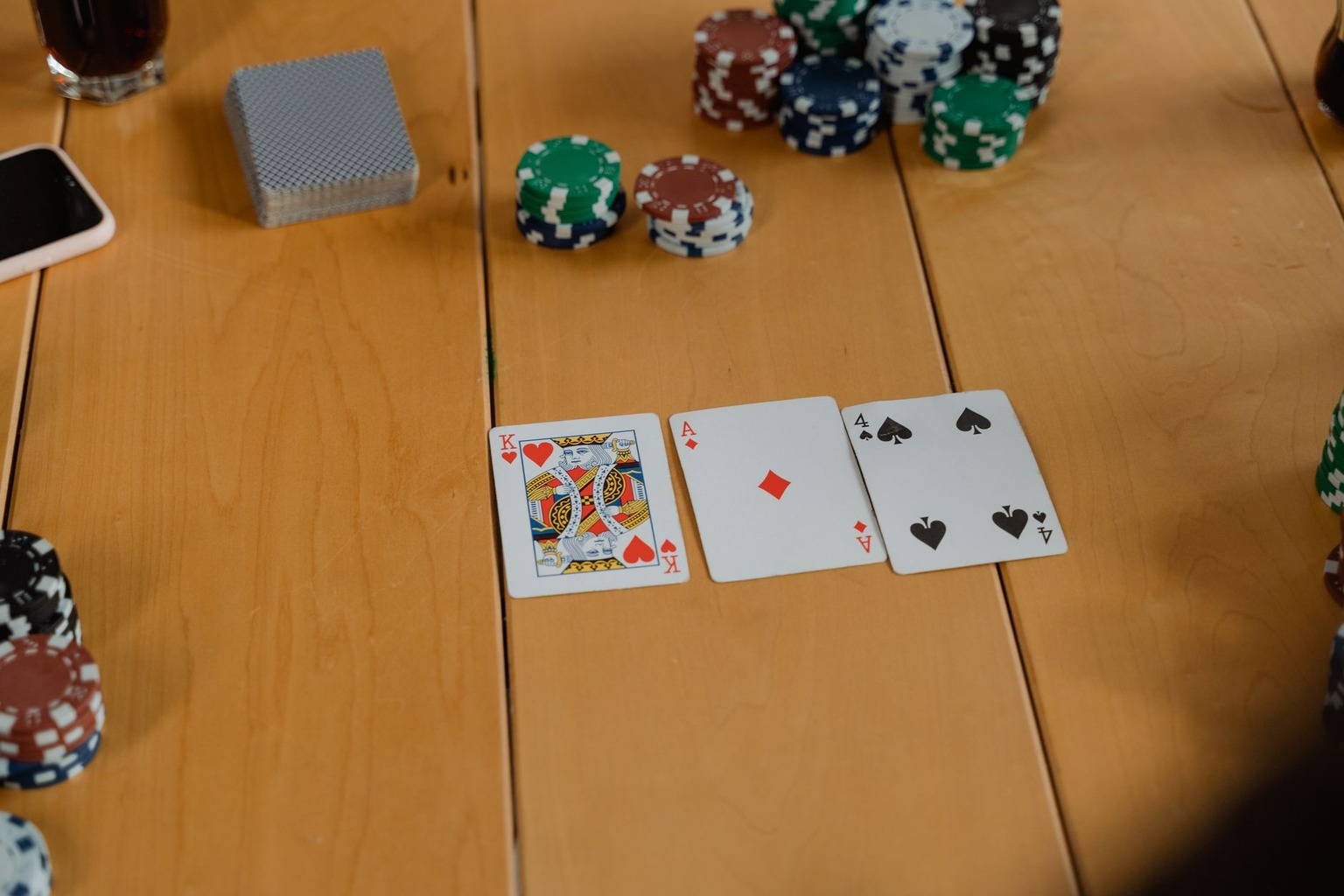
online bridge platforms often highlight players’ bidding profiles, but these are just starting points. The real test comes in real-time play, where a partner’s bidding must align with their declarer play. If your partner bids aggressively but then plays conservatively, you’ll struggle to trust their signals. Conversely, a partner who bids cautiously but plays aggressively can leave you guessing about their true intentions. The most reliable partners are those who treat bidding and play as two sides of the same coin, consistent in their approach, adaptable to your style, and transparent about their intentions. Without this consistency, even the most sophisticated bidding systems become little more than a series of guesses, and the partnership suffers accordingly.
How to Spot a Partner Who Disappears Under Pressure
Pressure is an inevitable part of bridge, and how a partner handles it can make or break a partnership. Some players thrive under the spotlight, making bold bids and aggressive plays when the stakes are high. Others freeze, defaulting to safe but uninspired choices that leave both partners wishing they’d taken a risk. The most reliable partners are those who remain composed in high-pressure situations, whether it’s a close rubber or a tense auction where every point counts. They don’t panic when a hand goes awry; instead, they analyze the situation calmly and make the best possible play given the circumstances.
One way to gauge a partner’s pressure tolerance is to observe how they handle losses. Do they blame themselves or the partnership? Do they react defensively, or do they focus on learning from the mistake? A partner who treats losses as opportunities rather than failures is far more valuable than one who becomes emotionally invested in every hand. Similarly, watch how they respond to unexpected developments, such as a partner’s unconventional bid or a tricky card play. A reliable partner will adapt without hesitation, while an unreliable one may hesitate, overthink, or even abandon the hand altogether. The best partnerships are built on mutual resilience, where both players trust each other to perform under pressure without needing constant reassurance.
The Hidden Costs of Freelancing in Online Bridge
Freelancing, playing with different partners in each session, can be a double-edged sword in online bridge. On one hand, it exposes you to a wider range of playing styles and bidding systems, which can be intellectually stimulating. On the other hand, it fragments your partnership development, making it difficult to build the deep, intuitive understanding that comes from consistent play. Freelancing partners often lack the familiarity needed to anticipate each other’s moves, leading to missed opportunities and unnecessary losses. For example, a player who bids 1NT with a balanced hand one session might bid 1♣ with the same hand the next, leaving their partner confused and reactive rather than proactive.

The cost of freelancing isn’t just in lost points, it’s in the mental energy required to constantly adapt to new partners. A reliable partner, in contrast, allows you to focus on the game rather than deciphering their intentions. They don’t require constant clarification of bids or plays; instead, they operate on a shared understanding that reduces cognitive load. This isn’t to say freelancing is always a bad idea, it can be useful for testing new conventions or playing styles. However, if your primary goal is improvement, dedicating time to a single, reliable partner will yield far greater returns in the long run. The key is balance: use freelancing for exploration, but reserve your most consistent partnerships for serious practice and competition.
How to Evaluate a Partner’s Adaptability Beyond the Bidding Room
Adaptability in bridge isn’t just about adjusting to a new partner’s bidding system, it’s about flexibility in play, communication, and even personality. A partner who rigidly follows a single convention, no matter how outdated, will eventually hold you back. Similarly, a partner who refuses to discuss their play or bidding decisions after a session isn’t someone you can grow with. The most reliable partners are those who are open to feedback, willing to experiment with new approaches, and able to adjust their style to complement yours. For instance, if you prefer a more aggressive bidding style, a partner who defaults to passive bidding will create unnecessary friction.
Adaptability also extends to declarer play, where a partner’s ability to adjust to your card play can make the difference between a successful contract and a disaster. If your partner consistently overtricks or undertricks based on your play, you’ll need to compensate with more conservative bidding or play. The best partnerships are those where both players are willing to tweak their approach to fit the other’s strengths. This might mean adjusting your bidding to better reflect your partner’s strengths or modifying your play to account for their weaknesses. Without this mutual adaptability, the partnership will feel like a series of compromises rather than a collaborative effort. The most reliable partners don’t just follow the rules, they evolve with you.

I’ve been playing bridge and other card games since my grandparents taught me the basics at age eight. I love exploring strategy, history, and the community behind each game, and I enjoy sharing tips and stories with fellow enthusiasts.