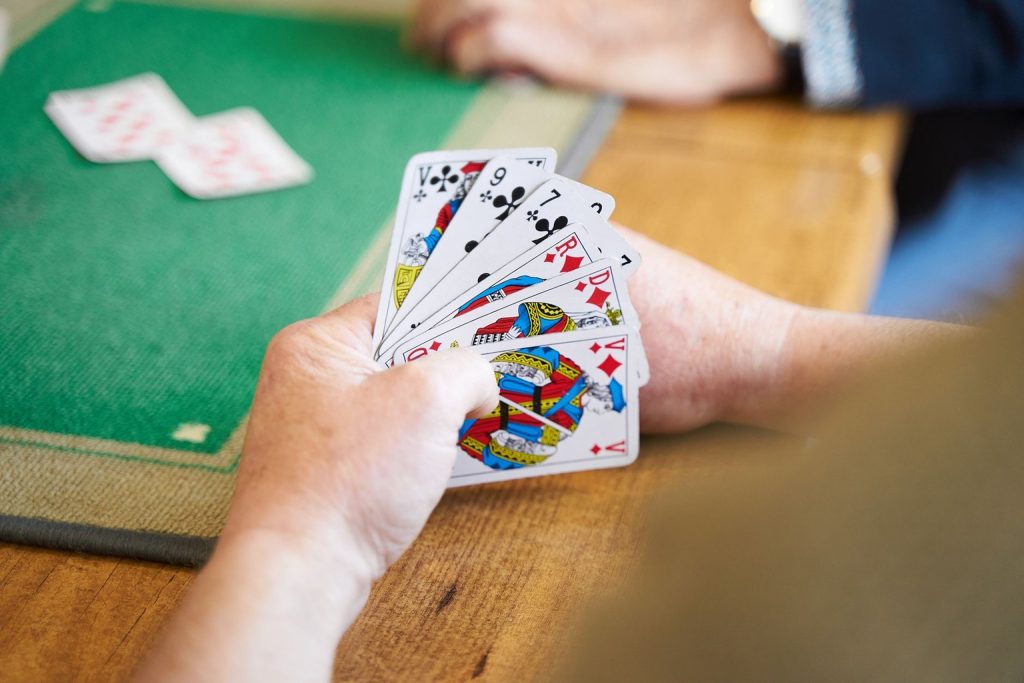
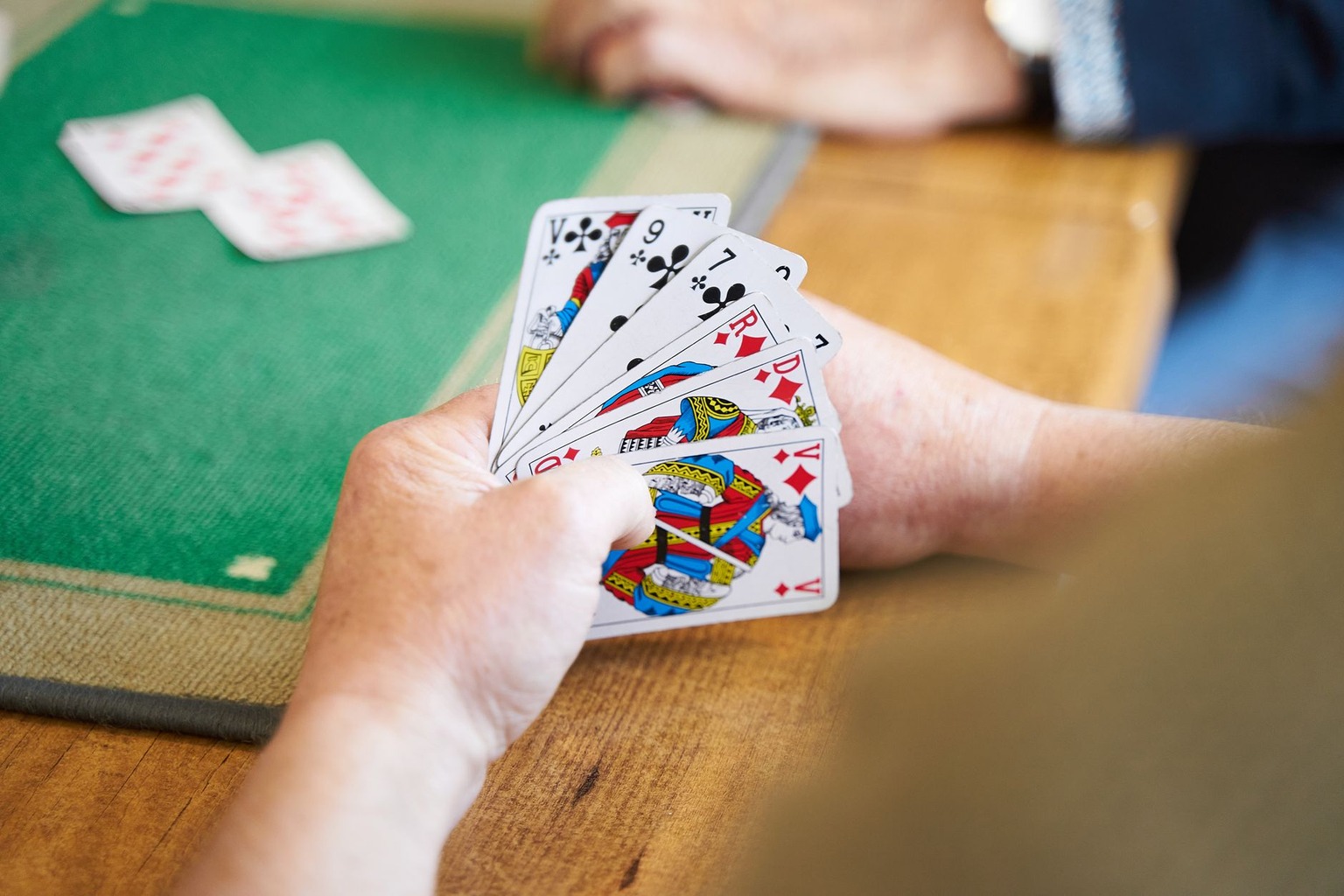
Mastering the auction phase in contract bridge requires a blend of precise mathematical evaluation and psychological awareness that separates casual players from tournament champions. Every partnership needs a shared language built on convention cards and systematic agreements to communicate hand strength and distribution effectively across the table. Success at the duplicate tables demands that you treat the auction as a cooperative puzzle rather than a guessing game with your partner. Professional partnerships spend countless hours refining their constructive sequences and defensive interventions to squeeze every possible trick out of marginal cards. Learning this craft takes patience and a willingness to abandon loose habits in favor of disciplined partnership agreements.
Mastering Point Count Evaluation and Hand Distribution
Accurate hand evaluation forms the bedrock of every successful auction sequence in modern duplicate competition. Traditional High card points provide a useful starting baseline, but distributional values often dictate the true playing strength of your hand. You must learn to add points for singletons and voids once a trump fit is agreed upon with your partner. Working cards like aces and kings hold more intrinsic value than scattered queens and jacks, especially in no trump contracts. Evaluating your hand strictly on high cards alone will lead you to miss profitable game contracts or push you into unmakeable slams.
Adjusting your valuation dynamically as the auction develops allows you to make a competitive bid that accurately reflects your distributional advantages. For instance, a six card major suit dramatically increases your trick taking potential on offense compared to a balanced hand with identical high card points. Hand evaluation also shifts once the opponents enter the auction because defensive values become much more important than raw offensive potential. Experienced competitors constantly recalculate their hand strength based on the specific auction level and the suits bid by both opponents and partners. Developing this flexible mindset prevents major disasters and keeps your partnership out of expensive penalties.
Opening the Bidding with Sound Judgment
The opening call sets the tone for the entire partnership auction and demands strict adherence to sound structural rules. Standard American Yellow Card and Two over One Game Force systems rely on specific point count ranges and suit lengths to function properly. You generally need twelve total points, combining high cards and distributional factors, to open the bidding at the one level in a suit. Opening light might occasionally preempt the opponents, but it frequently misleads your partner regarding your defensive tricks and overall hand strength. Discipline during this initial phase prevents partner from raising on insufficient values or missing game opportunities.
Choosing between a major suit and a minor suit opening requires careful consideration of potential game bonuses and contract safety. Opening one spade or one heart takes priority because finding a major fit yields a game bonus at the crucial ten trick level. Minor suit openings often serve as a temporary holding pattern while you search for a major fit or prepare to rebid no trump. Every disciplined opening bid serves as a reliable stepping stone that gives your partnership the best chance to reach the optimal contract. Maintaining strict standards for your first turn ensures that partner can make subsequent decisions with confidence.
Responding to Partner and Finding the Right Fit
Responding correctly to an opening call requires you to accurately convey your exact point count range and suit preferences. A single raise in partner suit shows general support and a modest hand, while a jump raise communicates invitational values and four card support. When partner opens a minor suit, responding in a major suit takes precedence to prioritize finding an eight card major fit. You must memorize your partnership agreements regarding forcing versus non-forcing responses to avoid misunderstandings during high stakes matches. Clear communication at this juncture keeps the auction low and provides room to investigate slam possibilities.
On the Learn to Play Bridge Online channel, they cover advanced bidding tips like the fourth suit forcing, and you can watch it right here.
No trump responses require careful mathematical calculation to ensure you do not push the partnership past a safe level. Responding one no trump typically shows six to ten points and denies support for partner major suit opening. A jump response in no trump conveys a stronger balanced hand that invites partner to raise if maximum values are held. Every single response alters the landscape of the auction and gives partner essential clues about your defensive stopper profile. Taking time to weigh all available options before speaking keeps the pressure squarely on the opposing partnership.
Navigating Competitive Auctions and Overcalls
Intervening against an opposing opening bid requires specific tactical approaches that disrupt their communication while protecting your own side. A simple overcall at the one level demands a reasonable five card suit and sound opening values, though tactical considerations can sometimes loosen requirements. Jump overcalls generally indicate weak hands with long, pre-empting suits designed to take away vital bidding space from the opponents. You must coordinate with your partner regarding whether a double of an opening bid is takeout or purely penalty oriented. Navigating these contested auctions successfully separates master players from novices who panic when opponents enter the mix.
Balancing in the reopening seat prevents opponents from stealing part score contracts at uncomfortably low levels when the bidding dies out. If the auction passes to you in fourth position after two passes, you should stretch your requirements slightly because partner has already denied strong values. Cue-bidding the opponent suit in a competitive auction often asks partner for a stopper in that specific denomination for no trump play. Every competitive decision involves weighing the vulnerability and the probable trick total for both sides before making a final commitment. Staying calm under pressure allows you to capitalize on opponent overextension and pick up valuable matchpoints.
Handling Slam Investigations and Slam Bidding Conventions
Reaching a small slam or grand slam requires precise quantitative tools and absolute trust in partnership agreements and cue bidding sequences. Conventions like Blackwood help partnerships verify keycard holdings before committing to high level contracts that require near perfection. You should initiate slam investigations only when the combined partnership assets comfortably exceed thirty-three high card points or significant distributional power. Cue bidding first and second round controls upward through the suits lets you pinpoint where potential losers might reside. Skipping these essential investigation steps turns slam bidding into a reckless gamble rather than a calculated tactical maneuver.

Control-showing bids must be made systematically, usually starting with the lowest available suit to maintain maximum bidding room at the table. If partner bypasses a suit during a cue-bidding sequence, they typically deny first or second round control in that specific denomination. Quantitative no trump bids allow partnerships to invite slams when values are evenly distributed and no clear fit emerges. Master competitors treat slam exploration as an exact science where every call eliminates ambiguity and builds toward a concrete conclusion. Honoring these strict partnership methods ensures you collect maximum bonuses when holding superior cards.
Avoiding Common Psychological Traps at the Table
Emotional discipline remains just as vital as theoretical knowledge when you are navigating complex auctions against skilled adversaries. Avoid the temptation to exact revenge on opponents after a poor previous board by stretching your opening requirements or overcalling recklessly. Table presence involves maintaining a consistent tempo during your turns so you never inadvertently transmit unauthorized information through hesitation. Recognizing your own psychological triggers helps you stay focused on mathematical probabilities rather than gut feelings during critical moments. Emotional stability under duress protects your partnership from self-inflicted disasters during long tournament sessions.
Communication breakdowns often stem from assumptions rather than actual misunderstandings of system notes and agreed conventions. If an unusual auction unfolds, pause to review the exact meaning of each previous call rather than rushing into a panic response. Respecting your partner means accepting blame for analytical errors and offering constructive feedback only after the session concludes. Developing resilience against bad luck and unfavorable card distributions keeps your mindset sharp for the next hand. Approaching every auction with a calm and analytical perspective gives you the ultimate edge in competitive play.

I’ve been playing bridge and other card games since my grandparents taught me the basics at age eight. I love exploring strategy, history, and the community behind each game, and I enjoy sharing tips and stories with fellow enthusiasts.