The rhythm of a competitive bridge game depends heavily on how players manage the physical space around them, where every card movement and verbal cue must be executed with precision. A well-maintained bridge table serves as the central stage for this performance, requiring constant attention to card alignment, score recording, and respectful communication between partners. When these elements fall out of sync, the flow of bidding and play suffers, leading to confusion or unintended signals that can cost a match. Understanding the specific etiquette rules allows players to maintain a professional environment, ensuring that both teams have an equal opportunity to express their strategy without external distractions.
The mechanics of card placement and rotation
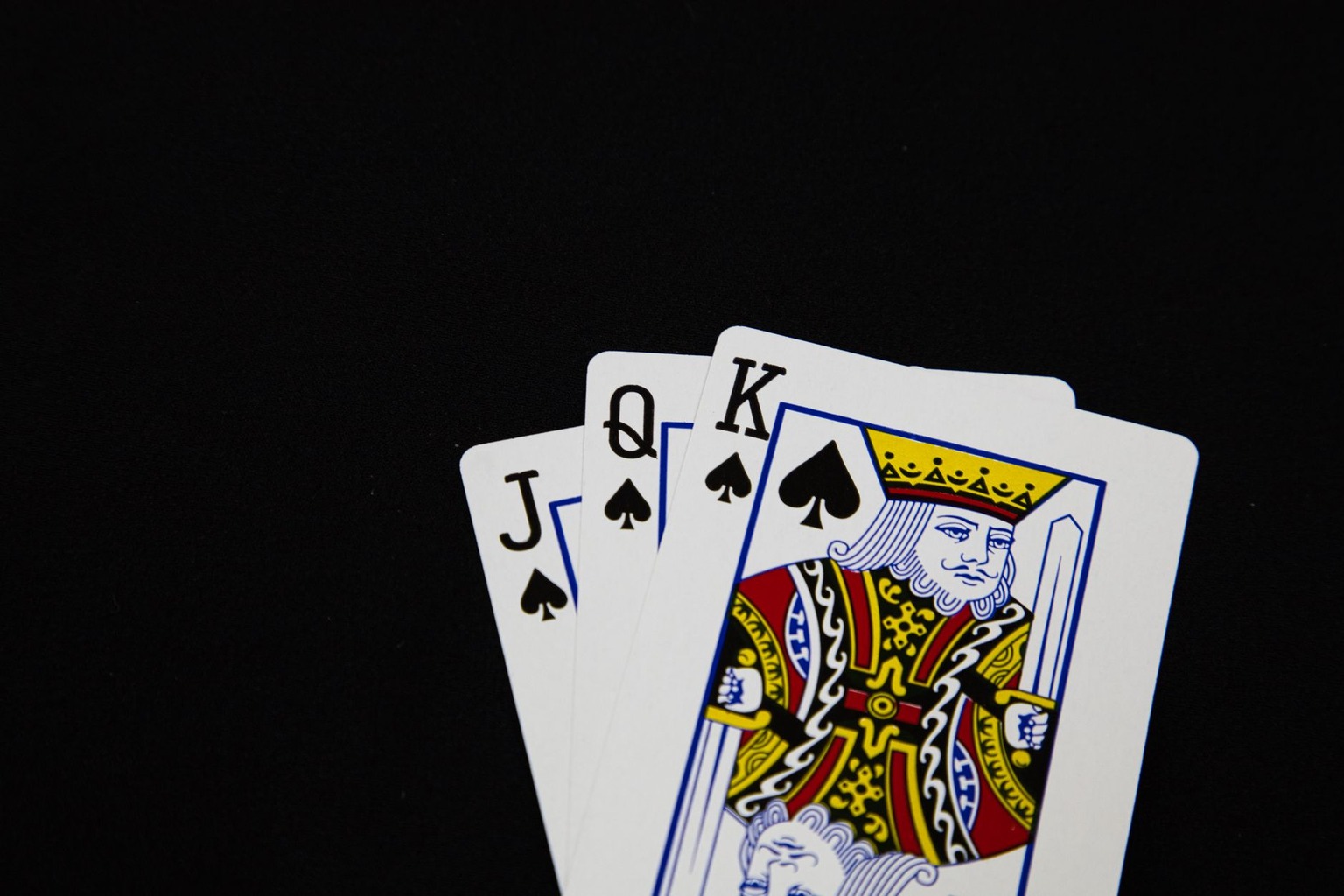
Proper card handling begins the moment the dealer distributes the deck, as each player must place their cards face down in a precise fan shape before any bidding starts. The standard practice involves rotating the cards slightly so that the top card of each hand is visible to the partner but hidden from opponents, creating a visual barrier that enforces fairness. This physical setup prevents accidental peeking and establishes a clear boundary between what information is available and what must remain concealed during the auction phase.
During play, the order in which cards are placed on the table follows a strict clockwise sequence, ensuring that the trick is built correctly from the lead through to the winner. Players should avoid sliding cards across the felt or tapping the table for emphasis, as these movements can create noise and visual clutter that distracts the opposing pair. A clean, quiet placement allows all four players to track the play without strain, reducing the cognitive load required to remember which cards have been played in each suit.
When a trick is completed, the winner collects the cards and places them face down to their right, building a stack that grows throughout the hand. This accumulation serves as a tangible record of the play, helping players verify the final score and resolve any disputes about which cards were actually played. The discipline of keeping these stacks organized prevents the common error of mixing up hands or losing track of a key card that was played early in the round.
Vocalizing bids and avoiding unauthorized signals
Verbal communication at the table is governed by strict rules designed to prevent players from conveying hidden information through tone, timing, or inflection. Bids must be called clearly and distinctly, using standard terminology that leaves no room for interpretation or ambiguity between the four players. A hesitant voice or a sudden change in volume can be perceived as an unauthorized signal, potentially leading to a penalty if the opponents believe it influenced their decision-making.
The concept of authorized versus unauthorized signals is central to maintaining fairness, as certain actions like adjusting a card or pausing before a bid are considered deliberate and informative. Players must learn which non-verbal cues are permissible and which ones carry the risk of being interpreted as a message to their partner. This distinction requires constant awareness, especially in high-stakes matches where a single misinterpreted gesture can alter the outcome of an entire board.
In tournament settings, the director is available to clarify any disputes regarding signals, but players should aim to minimize such interruptions by adhering to clear communication standards. Establishing a personal style that is consistent and predictable helps opponents feel comfortable with the flow of play, reducing the likelihood of challenges or protests. A calm, measured approach to bidding not only demonstrates professionalism but also enhances the overall enjoyment of the game for everyone at the table.
Managing the score sheet and record-keeping
The score sheet is the official record of the hand, and its accuracy is critical for determining the final result of the match. Players should write down their bids and plays immediately after each trick, using a clear handwriting that can be read by both partners without confusion. This practice prevents errors from compounding over multiple hands and provides a reliable reference if questions arise about the legality of a particular play.
Keeping track of the running total requires attention to the direction of the score, as points are awarded based on the difference between the declared contract and the actual number of tricks won. A simple arithmetic mistake can lead to a significant scoring error, which is why many experienced players double-check their calculations before moving on to the next hand. The discipline of accurate record-keeping reflects a broader commitment to fairness and respect for the opposing team.
In duplicate bridge, the score sheet also serves as a basis for comparing results across different tables, making it essential that all entries are consistent and legible. Directors often review these sheets after the session to verify compliance with the rules, so players should take care to avoid smudges or unclear markings. A well-maintained score sheet is a mark of professionalism that enhances the credibility of the entire playing group.
Respecting the tempo and flow of play
The speed at which a hand is played can vary significantly, but maintaining a steady tempo is key to keeping the game engaging for all participants. Players should avoid rushing their decisions, as hasty plays often lead to errors that cannot be undone once the cards are on the table. Conversely, excessive hesitation can disrupt the flow of the game and frustrate opponents who are waiting for their turn to act.
A balanced approach involves taking enough time to consider the position without letting the silence become uncomfortable or oppressive. This balance is particularly important in tournament settings, where the clock may be running and delays can have consequences for the entire session. Learning to manage one’s own pace and being aware of the others’ needs creates a harmonious environment that supports high-level play.
The transition between hands also requires attention, as players should prepare their cards and score sheets efficiently before the next deal begins. This preparation time allows everyone to reset mentally and focus on the new hand without carrying over frustration or confusion from the previous one. A smooth transition between boards is a sign of a well-organized table that values the time of all participants.
Navigating disputes and calling the director
Disputes at the bridge table are inevitable, but how they are handled can make or break the relationship between players. When a disagreement arises, it is best to remain calm and factual, focusing on the rules rather than personal feelings or past interactions. Calling the director should be done promptly and respectfully, with a clear explanation of the situation and the specific rule in question.
The director’s role is to interpret the laws of bridge and provide a ruling that is fair and consistent, so players should trust their judgment even if the outcome is not what they expected. Arguing with the director or expressing dissatisfaction after a ruling is considered poor etiquette and can lead to further penalties. A cooperative attitude toward the resolution process helps maintain a positive atmosphere and ensures that the game can continue smoothly.
In many cases, disputes can be resolved through discussion between the players without the need for official intervention. This approach saves time and preserves the spirit of the game, as it allows the players to take ownership of the situation and find a mutually acceptable solution. However, if the dispute involves a serious rule violation or a potential loss of tricks, involving the director is the correct course of action.
Physical comfort and table arrangement
The physical setup of the bridge table, including chair position, lighting, and card storage, plays a significant role in player comfort and performance. Chairs should be adjusted to allow for easy movement without knocking over cards or disrupting the play area, and players should avoid leaning on the table in a way that blocks their partner’s view. Proper ergonomics reduce fatigue over long sessions, allowing players to maintain focus and concentration throughout the event.
Lighting is another critical factor, as poor illumination can make it difficult to read cards or score sheets accurately. Players should ensure that there are no shadows or glare on the table surface, adjusting their position or the angle of the light source if necessary. A well-lit environment reduces eye strain and helps prevent errors that arise from misreading a card rank or suit.
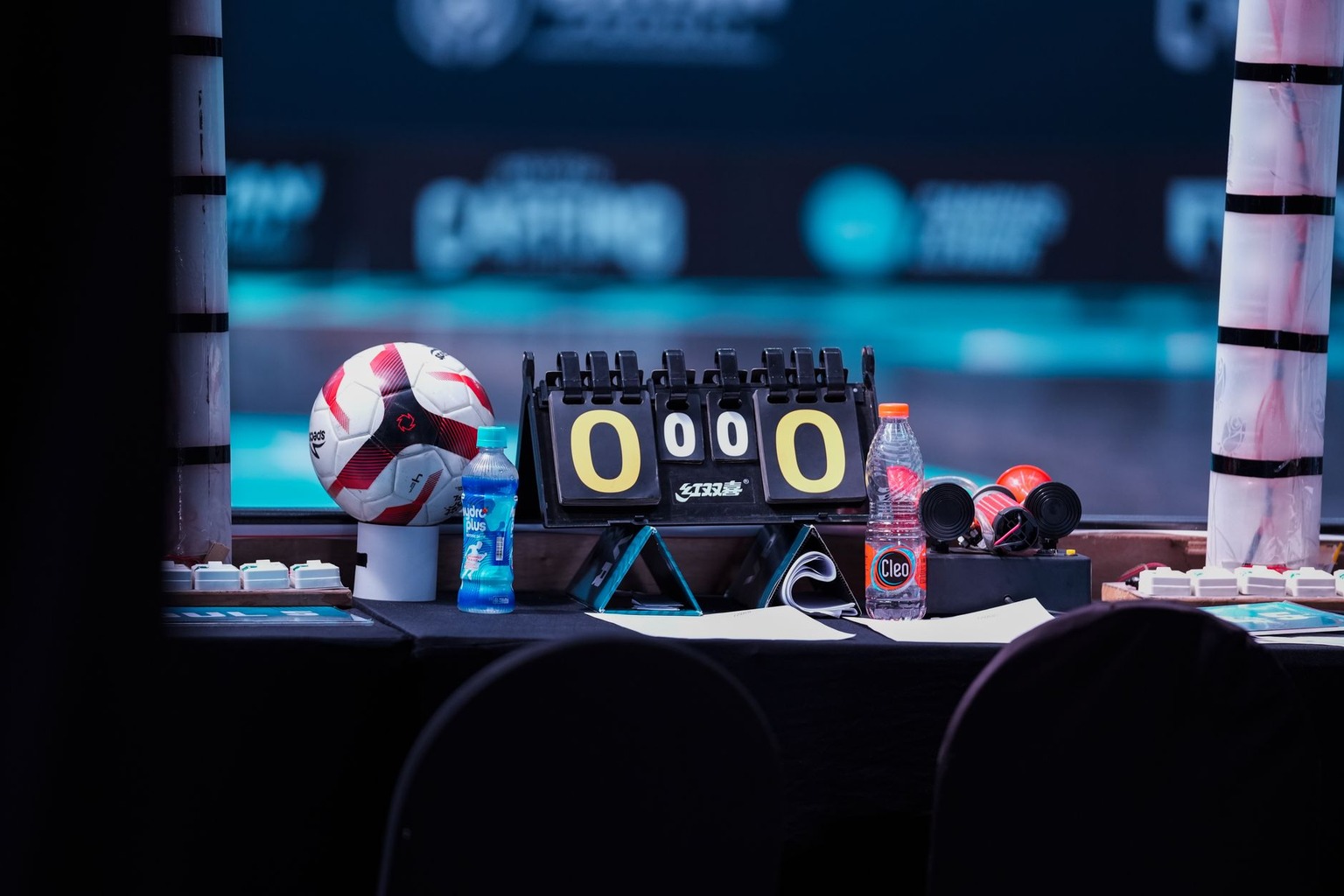
Finally, the arrangement of personal items, such as water bottles or phones, should be kept to a minimum to avoid clutter on the table. These objects can distract from the play and create obstacles that interfere with the smooth movement of cards. A clean, uncluttered table reflects a respectful attitude toward the game and provides an optimal setting for high-level bridge play.

I’ve been playing bridge and other card games since my grandparents taught me the basics at age eight. I love exploring strategy, history, and the community behind each game, and I enjoy sharing tips and stories with fellow enthusiasts.