The Blackwood convention remains one of the most recognizable tools in a bridge partnership’s slam arsenal, and its influence stretches back to the early days of modern contract bridge. Named after its creator, a forward‑thinking American player who first published the idea in the 1930s, Blackwood introduced a systematic way to probe for aces without sacrificing bidding space. The original article described a simple 4NT inquiry and a set of structured responses that let partners gauge the likelihood of a successful grand slam. Over the decades the method has been refined, incorporated into teaching curricula, and embraced by clubs worldwide, making it a staple for anyone serious about reaching the top contracts.
Basic Mechanics of the 4NT Ask
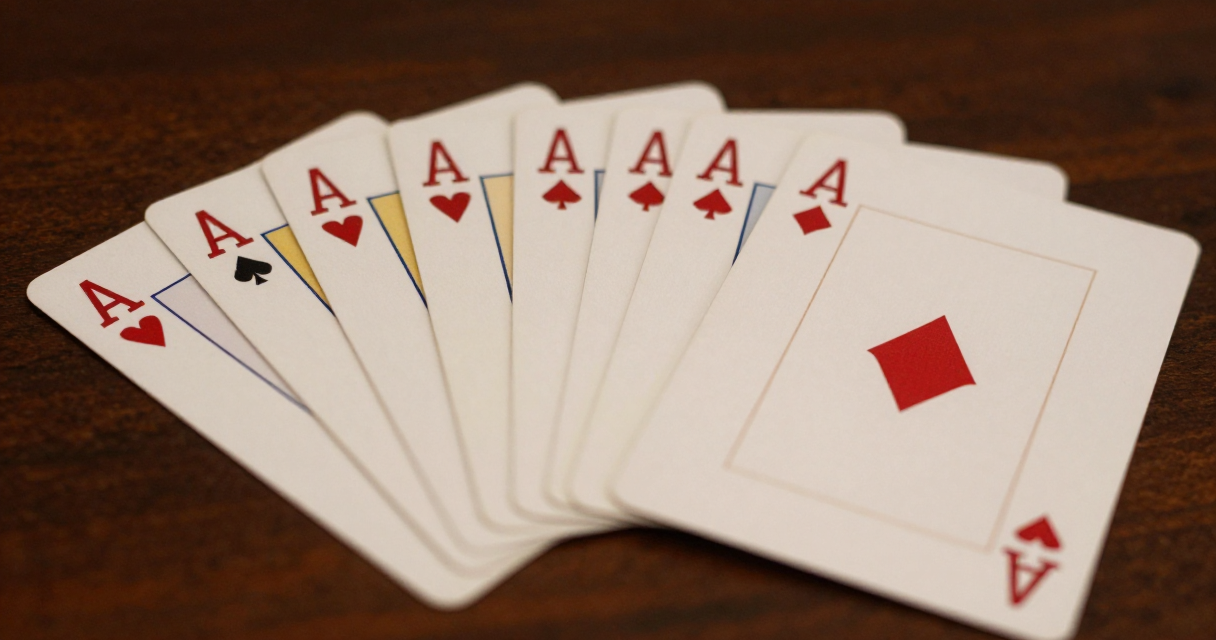
The core of Blackwood is a 4NT bid that asks partner to disclose the number of aces held. The responder replies with a step‑wise suit bid, each step representing an additional ace. A bid of 5♣ signals zero aces, 5♦ indicates one ace, 5♥ shows two, and 5♠ conveys three. If a partnership agrees that four aces are possible, a bid of 5NT is used to report the full set. This compact exchange consumes only one level of bidding, preserving room for further exploration of key cards or side suits before committing to a slam.
Because the convention compresses information into a single bid, timing and partnership agreement are crucial. Most players adopt Blackwood after a solid fit has been established, typically after a 2‑level opening and a subsequent raise or response that confirms a five‑card major or a strong minor suit. The ask should only be made when at least one ace is already known, otherwise the partnership risks missing a vital ace that could be the difference between a successful slam and a disastrous defeat.
Response Structure and the Ace Count
When answering a 4NT ask, the responder evaluates the hand for aces and counts them against any ace already known by the asker. The step response starts at the lowest available suit, regardless of the actual suit hierarchy, which simplifies memorization. For example, if the partnership has already identified one ace, a responder holding two additional aces would still bid 5♥, indicating two unknown aces. The method assumes that the asker will interpret the response in the context of the known ace, adjusting the total accordingly.
Some partnerships extend the basic scheme by treating the 5NT response as “four or more” aces, while others reserve it for the exact count of four. This subtle distinction can affect the decision to pursue a grand slam, particularly when the partnership has a strong fit but is missing a critical ace. Clear pre‑game discussion about the meaning of each step response eliminates misinterpretation and keeps the bidding flow smooth.
Variations and Modern Adaptations
Over time players have introduced several refinements to address the limitations of the original Blackwood framework. The most popular is Roman Key Card Blackwood (RKCB), which treats the king of the trump suit as a “key card” alongside the four aces. In RKCB, a 4NT ask still elicits step responses, but the steps now count key cards rather than just aces, providing a more accurate picture of slam potential in a trump contract. The 5NT response in RKCB typically indicates all five key cards, a crucial piece of information when evaluating a grand slam.
Another common adaptation is the “5‑card Blackwood” variant, where the ask is made at the 5♣ level instead of 4NT to preserve space for a possible 5NT response. This version is especially useful when the partnership has already consumed a lot of bidding room and needs to inquire about aces without losing the chance to explore additional controls. Some experts also employ a “pacing back” technique, where the asker reverses the direction of the response after the initial step, allowing for finer granularity when more than four aces are in play.
When to Deploy Blackwood Effectively
Successful use of Blackwood hinges on recognizing the right moment to ask for aces. The ask is most valuable after a strong fit has been established, typically in a 5‑card major or a solid minor suit, and when the partnership already holds at least one ace. If the combined hands contain a high probability of all four aces, the ask can confirm the slam potential without risking a premature commitment. Conversely, making the ask too early, such as after a weak opening or without a clear fit, often leads to a missed ace and a ruined contract.
Another strategic consideration is the vulnerability and scoring context. When the stakes are high, such as at duplicate tournaments with significant IMP rewards, players may be more willing to push for a grand slam using Blackwood, even if the ace count is marginal. In casual club play, however, many partnerships prefer to settle for a small slam if the information suggests a single missing ace, thereby avoiding the penalty of an over‑reached contract.
Common Pitfalls and How to Avoid Them
One frequent error is using Blackwood in a not‑rump contract without proper adjustments. Since the convention was designed for suit contracts, the ace count in a not‑rump game can be misleading, especially when the partnership lacks a clear trump suit. To mitigate this, many players replace Blackwood with the Gerber convention (4♣ ask) when exploring slam possibilities in a not‑rump auction. Gerber offers a similar ace‑count mechanism but consumes less bidding space and aligns better with the structure of a not‑rump hand.
Another trap lies in the “false ace” problem, where a responder miscounts an ace that the asker already knows, leading to an inflated total. Clear partnership agreements about which aces are “known” versus “unknown” help prevent this mistake. Additionally, some partnerships adopt a “stop‑card” policy, refusing to ask for aces if the responder holds a known deficiency such as a missing queen in the trump suit, which could doom a slam even with all aces present.
Integrating Blackwood with Other Slam Tools
Modern slam bidding often blends Blackwood with complementary conventions to create a more nuanced picture of the combined holdings. For instance, after a successful Blackwood exchange, many partnerships employ the “Grand Slam Force” (5NT) to inquire about additional controls beyond aces, such as kings or voids. This two‑step approach allows partners to fine‑tune their decision between a small and a grand slam, balancing risk and reward. In partnerships that favor RKCB, the Grand Slam Force is typically invoked after confirming five key cards, providing a clear pathway to the highest contract.
Another integration strategy involves using the “Control‑Showing” bids after a Blackwood ask, where the asker can bid a new suit to indicate a specific control, like a void or a solid minor. This method preserves the ability to explore side‑fit possibilities while still protecting the slam ambition. By combining Blackwood with these auxiliary tools, experienced players can navigate complex auctions with confidence, ensuring that the final contract reflects the true strength of their combined hands.

I’ve been playing bridge and other card games since my grandparents taught me the basics at age eight. I love exploring strategy, history, and the community behind each game, and I enjoy sharing tips and stories with fellow enthusiasts.