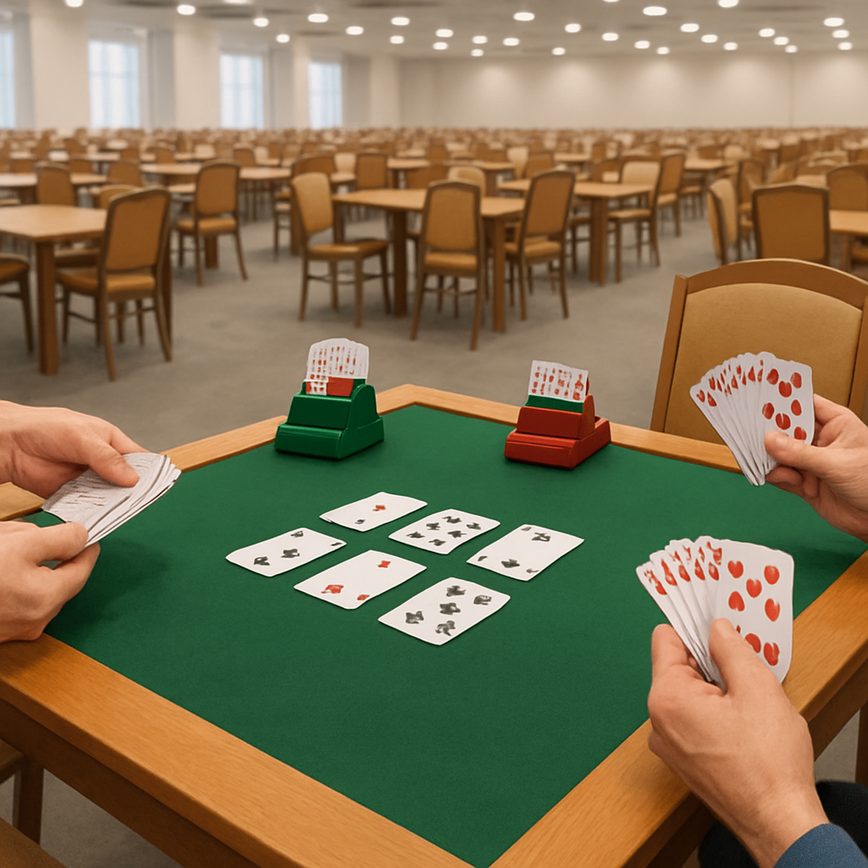
Overview of the World Bridge Championships
The World Bridge Championships represent the pinnacle of competitive bridge tournaments, drawing together the finest players from across the globe to compete at the highest level. Established with the purpose of fostering international cooperation and showcasing the strategic depth of bridge, these championships have become a vital pillar in the card game community. Since their inception, the championships have grown in prestige, evolving into a symbol of excellence and a celebration of intellectual skill.
Historically, the World Bridge Championships emerged in the early 20th century as bridge itself gained popularity worldwide. Over the decades, the format and scope of the tournaments have expanded, incorporating various categories and styles of play, reflecting the game’s rich traditions and complex strategies. These tournaments are organized under the auspices of the World Bridge Federation (WBF), ensuring standardized rules and fair play among participants from diverse nations.
The significance of the World Bridge Championships goes beyond merely determining the world’s best players. They serve as a crucial platform for international bridge enthusiasts to exchange ideas, develop new tactics, and promote friendship among players of different cultures. The championships also play a key role in popularizing bridge worldwide, inspiring both amateur and professional players to enhance their skills and participate in the global community.
With a schedule often featuring multiple events such as pairs, teams, and mixed competitions, the World Bridge Championships cater to a broad spectrum of players, making it an inclusive and dynamic celebration of the game. These prestigious bridge tournaments not only highlight the intellectual challenge and social aspect of bridge but also reinforce its status as a timeless game enjoyed by millions internationally.
History and Evolution
The history of bridge is rich and fascinating, with the World Bridge Championships standing as a pinnacle event that showcases the game’s global appeal. The origins of the championship trace back to the early 20th century when bridge evolved from its predecessor, auction bridge, into contract bridge, which soon became widely popular. The first organized world competition was held in the 1930s, marking a significant milestone in uniting players from various countries under one competitive banner.
Over the decades, the championship has undergone numerous evolutions, both in format and scope. Initially, the events focused primarily on national teams, but as the game grew, so did the range of categories and the inclusion of mixed and senior competitions. The World Bridge Federation, founded in 1958, played a crucial role in standardizing rules and promoting the sport internationally, further elevating the championship’s status.
Key milestones include the introduction of the Bermuda Bowl in 1950 as the premier open team championship and the expansion of the event to incorporate more diverse participants from across the globe. Technological advancements have also influenced the championship, with digital scoring and online qualifiers becoming integral. The bridge evolution reflected in the championship highlights the game’s adaptability and enduring charm, making it not just a test of skill but also a celebration of its rich heritage.
Organizing Bodies and Format
The World Bridge Federation (WBF) is the main governing body responsible for overseeing the organization and regulation of world bridge championships. Established to promote and develop the game of bridge worldwide, the WBF sets the official tournament rules, ensuring a standardized and fair playing environment for all participants. The championship format under the WBF typically includes a series of team-based and individual competitions, allowing players from various countries to compete at the highest level.
The bridge championship format involves several categories, such as Open, Women’s, Senior, and Mixed teams, catering to diverse player groups. Each championship is run under strict tournament rules that govern everything from bidding procedures to scoring and conduct during play. These rules are continually updated by the WBF to reflect the evolving nature of the game and to address any issues that arise during competitions.
The structure of the tournaments usually includes qualification phases, knockout rounds, and finals, providing an exciting progression that challenges both skill and strategy. Additionally, the WBF collaborates with national bridge organizations around the world to facilitate smooth organization and enforcement of rules, enhancing the competitive experience and fostering international bridge community growth.
Major Events and Categories
The World Bridge Championships feature a diverse range of events that cater to various championship categories, each designed to test different skills and strategies of bridge players. These major events can broadly be classified into team, pair, and individual contests, each with distinct formats that bring unique challenges to competitors.
Team events are among the most prestigious in the championship categories. Teams usually consist of four to six players who compete together against other teams. The most common team format is the knockout style, where teams face off in head-to-head matches and the losing team is eliminated from the competition. Another popular format within teams is the Swiss, which allows teams to play multiple rounds against various opponents, earning points to determine rankings. Team events emphasize collaboration, strategic communication, and consistent performance across many deals.
In contrast, pair events focus on two players working closely as a partnership. These contests test the synergy between partners and emphasize detailed bidding systems and declarer play. Pairs compete against multiple other pairs, with scores based on matchpoints or IMPs (International Match Points), depending on the event’s scoring system. Unlike team events, pair competitions require a refined understanding of partnership tactics and precision, as every deal is compared directly against all others playing the same cards.
Individual contests provide a unique and challenging format where competitors do not have a fixed partner or team. Instead, players rotate partners and opponents throughout the event, demanding adaptability and a broad understanding of different playing styles. This format highlights individual skill and decision-making, as each player must adjust strategies on the fly without the support of a consistent partner or team dynamics.
Each of these bridge competition types contributes to the rich diversity of the World Bridge Championships. By featuring team, pair, and individual events, the championship categories ensure that every player, regardless of their preferred style, can find a suitable and thrilling contest to showcase their bridge abilities. The various formats not only challenge participants but also enhance the spectator experience by demonstrating the versatility and depth of competitive bridge.
Open and Women’s Series
| Series | Eligibility | Competition Format | Notable Champions |
|---|---|---|---|
| Open Series | Open to all players regardless of gender or age | Matchpoint Pairs, Swiss Teams, and Knockout Teams | Bobby Wolff, Ole B. Jensen, Geir Helgemo |
| Women’s Series | Exclusive to female players | Round-Robin Teams followed by Knockout stages | Zita Varga, Fritzi Szabo, Daniela von Arnim |
The Open series and Women’s bridge championships are two of the most prestigious bridge events held at the World Bridge Championships. The Open series welcomes all players, offering a competitive platform where both individual skills and team strategies are tested through multiple formats like Matchpoint Pairs, Swiss Teams, and Knockouts. In contrast, the Women’s series is dedicated exclusively to female players, promoting women’s participation and excellence in bridge. This series features a Round-Robin phase and knockout stages to determine the champions. Both series have witnessed outstanding champions who have left a lasting impact on the bridge community globally.
Youth and Senior Championships
Youth bridge and senior bridge championships play a crucial role in promoting the game across different generations. These age category events offer a structured competitive platform tailored to the unique needs and abilities of various age groups, encouraging participation from both young enthusiasts and experienced elders.
Youth bridge championships specifically engage players typically under the age of 25, providing a nurturing environment where budding talents can develop their skills and gain competitive experience. This focus on young players ensures that the tradition of bridge is passed down, creating a vibrant community that supports learning and growth. By catering to youth, these tournaments help sustain the future of the game and keep its appeal alive among younger demographics.
On the other hand, senior bridge championships invite seasoned players, often aged 60 and above, to compete within their own peer group. These events recognize and honor the lifelong dedication many have to the game, fostering a sense of camaraderie and respect. Senior bridge events also highlight the mental agility and strategic depth required at advanced levels, demonstrating that bridge is a game for all ages and a lifelong pursuit.
Overall, age category events like youth and senior championships are vital for bridging generational gaps and ensuring the game’s inclusive growth. They enrich the bridge community by allowing players at different life stages to connect, compete, and celebrate the shared love of this strategic card game.
Strategies and Skills for Success
Success in the World Bridge Championships requires a blend of advanced bridge strategies, refined skills, and thorough championship preparation. Champions understand that mastering the technical aspects of the game is just the beginning; winning techniques also demand psychological resilience, effective communication, and adaptability.
One of the foundational bridge strategies involves a deep understanding of card distribution and probability. Players constantly evaluate the likelihood of opponents holding specific cards, which guides bidding and play decisions. This probabilistic thinking aids in devising optimal bids and plays that maximize the chances of winning tricks. Expert players also excel at signaling and interpreting partner’s signals, ensuring smooth coordination during the game.
Winning techniques in the World Bridge Championships also emphasize defensive play. Champions keenly observe opponents’ behaviors and patterns to predict their strategies. They employ techniques such as forcing opponents into errors and managing entries to control the flow of the game. Strong defensive skills are just as crucial as offensive tactics for securing high scores and winning matches.
Preparation for these championships goes beyond daily practice sessions. Successful players develop a regimented training routine which includes reviewing past performances, analyzing opponents’ styles, and discussing strategy with partners and coaches. Mental preparation is equally important; maintaining focus and composure under pressure is a pivotal skill that distinguishes champions from others.
Additionally, the best players constantly update their knowledge about evolving trends in bridge strategies and rules. They participate in workshops, study latest bridge theory, and adapt their approaches accordingly. Such evolving preparation ensures they are always ready to face new challenges during the tournament.
In summary, excelling at the World Bridge Championships involves mastering core bridge strategies, employing winning techniques during play, and engaging in holistic championship preparation. The combination of analytical skills, effective communication, psychological strength, and adaptive learning forms the cornerstone for championship success.
Common Tactics in Competitive Bridge
In competitive play, expert bridge players rely on well-honed bridge tactics to outmaneuver their opponents and maximize their scoring potential. One popular strategy is effective communication through card signaling. Skilled partners use subtle signals such as attitude, count, and suit preference to convey critical information about their hands without overtly revealing their cards. This form of coded communication is vital for successful competitive play.
Another essential tactic involves strategic bidding. High-level players carefully interpret opponents’ bids while signaling their own hand strengths and weaknesses. The ability to deduce the distribution of cards based on the bidding sequence is a cornerstone of expert game strategies, providing a competitive edge in identifying optimal contracts and avoiding pitfalls.
Defensive play also plays a crucial role in advanced tactics. Experts focus heavily on counting cards and anticipating opponents’ moves to disrupt their plans. Techniques such as finessing and trump management are commonly employed to gain control and protect valuable tricks. These defensive maneuvers are critical for turning the tide of the game in competitive tournaments.
Overall, mastering these bridge tactics in competitive play requires deep understanding, patience, and constant practice. Utilizing well-planned game strategies not only improves the chances of victory but also enhances the rewarding experience of this intellectually demanding card game.
Mental and Team Preparation
Success at the World Bridge Championships depends heavily on mental training and team coordination. Mental fitness is essential for navigating the complexities of the game, enabling players to maintain focus, think strategically, and manage stress during intense competition. Effective mental preparation allows bridge players to stay calm under pressure, make calculated decisions, and recover quickly from setbacks. It strengthens cognitive functions crucial for analyzing opponents’ moves and anticipating outcomes.
Equally important is the synergy between team members. Bridge is a team sport that requires seamless communication and mutual understanding. Team coordination ensures that all players are aligned in their strategies, signals, and gameplay tactics. Regular practice sessions foster trust, improve partnership dynamics, and refine the collective approach to different scenarios encountered in championships. A well-prepared team can anticipate each other’s actions, avoid costly errors, and adapt swiftly to changing circumstances on the table.
Incorporating comprehensive bridge preparation routines that focus on both mental training and team coordination sets champions apart from others. By prioritizing these aspects, teams enhance their overall performance, resilience, and chances of victory. Ultimately, sustained mental fitness coupled with strong team coordination forms the foundation for achieving excellence at the World Bridge Championships.

I’ve been playing bridge and other card games since my grandparents taught me the basics at age eight. I love exploring strategy, history, and the community behind each game, and I enjoy sharing tips and stories with fellow enthusiasts.