Understanding Bridge Hand Patterns
In the game of bridge, mastering the concept of bridge hand patterns is essential for both beginners and experienced players. Bridge hand patterns refer to the specific distribution of cards within each player’s hand. Since each hand consists of 13 cards dealt from a standard 52-card deck, recognizing how these cards are arranged can greatly influence bidding, play strategy, and overall success during a game.
Every bridge hand is unique, characterized by a particular card distribution that dictates the strengths and weaknesses of the hand. For example, a hand with a balanced card distribution, such as 4-3-3-3 or 4-4-3-2, offers different strategic opportunities compared to a hand dominated by one suit or featuring long suits and short suits. By learning to identify these bridge hand patterns, players can better evaluate their bridge cards and communicate effectively with their partners during the bidding phase.
Understanding card distribution is at the heart of recognizing bridge hand patterns. Card distribution describes not just the number of cards in each suit but also their arrangement, which can affect how a hand is played. For instance, a hand with a 7-2-2-2 distribution can concentrate power in a single suit, ideal for making certain types of contracts, whereas hands with more balanced patterns tend to support no-trump contracts. Awareness of these patterns helps players anticipate opponents’ holdings and adjust their tactics accordingly.
Additionally, familiarity with common bridge hand patterns enhances strategic planning. It enables players to estimate potential tricks, decide when to be aggressive or defensive, and optimize communication during the auction. Whether holding high card points or focusing on long suits, understanding how bridge cards are distributed empowers players to make informed decisions and improve their overall gameplay.
Common Types of Bridge Hand Patterns
In bridge, understanding common hand patterns is essential for effective bidding and play. These patterns refer to the distribution of cards across the four bridge suits—spades, hearts, diamonds, and clubs. The way cards are arranged significantly influences players’ strategies and the overall outcome of the game.
One of the most frequently encountered common hand patterns is the balanced hand. Balanced hands typically have no voids, singletons, or long suits, with a distribution such as 4-3-3-3, 4-4-3-2, or 5-3-3-2. These hands are often suitable for no-trump contracts because the even spread of card suits allows for stable play and control across all suits.
On the other hand, unbalanced hands feature a more uneven card suits distribution, often containing one or more long suits or short suits. Patterns such as 6-3-2-2, 5-5-2-1, or 7-2-2-2 fall under this category. These hands typically favor suit contracts because the concentration in one or two suits can provide a strong trump suit advantage when bidding and playing.
Recognizing these common hand patterns helps bridge players communicate better with their partners and make informed decisions about the types of contracts to pursue. Mastery of hand patterns combined with knowledge of card suits distribution can dramatically improve gameplay and bidding accuracy.
Balanced Versus Unbalanced Hands
In bridge, understanding the distinction between balanced hands and unbalanced hands is fundamental to effective bridge strategy. Balanced hands are characterized by an even distribution of cards across the four suits, typically featuring no voids, singletons, or long suits. Common patterns include 4-3-3-3, 4-4-3-2, and 5-3-3-2 distributions. These hands are valued for their stability and predictability, often facilitating straightforward bidding and play.
Unbalanced hands, on the other hand, exhibit uneven suit distributions, such as long suits or multiple short suits. Patterns like 6-3-2-2 or 5-5-2-1 are examples of unbalanced hands. These hands offer opportunities for aggressive bidding strategies and can be leveraged to take advantage of suit length and strength. However, unbalanced hands require careful consideration of trump support and control cards to maximize tricks.
From a bridge strategy perspective, balanced hands generally favor no-trump contracts because the even suit distribution supports solid control across all suits. In contrast, unbalanced hands often suggest a suit contract, leveraging long suits to generate extra tricks. Accurate identification of hand patterns enables players to choose appropriate bidding conventions and optimize their contract selection, enhancing the likelihood of success.
Ultimately, recognizing whether a hand is balanced or unbalanced helps players tailor their approach, integrating hand evaluation with strategic bidding and play decisions. Mastery of these concepts is essential for advancing in bridge and making informed, strategic choices at the table.
How to Analyze Your Bridge Hand Pattern
Analyzing your bridge hand pattern is a fundamental skill that can significantly improve your gameplay. By conducting a thorough bridge hand analysis, you not only understand the distribution of your cards but also evaluate their strength effectively through card points. This step-by-step guide will walk you through the process of analyzing your hand pattern to make smarter decisions during the game.
Step 1: Count Your Card Points — Begin your hand analysis by calculating the total card points in your hand. Card points typically include high card points (HCP), which assign values to Aces, Kings, Queens, and Jacks. Make sure to add up these points accurately as they give you a clear indication of your hand’s strength and potential to win tricks.
Step 2: Identify Your Suit Distribution — Next, carefully observe the pattern of suits in your hand. Count the number of cards you hold in each suit and note whether you have balanced or unbalanced distributions. Recognizing long suits or shortages is crucial as these patterns often dictate bidding strategies and play tactics.
Step 3: Assess Your Strength in Each Suit — While conducting your bridge hand analysis, evaluate which suits hold the highest potential based on the quality and quantity of cards. For instance, a suit with several high card points combined with a long length can become a strong asset during play. This insight helps determine whether to bid aggressively or defensively.
Step 4: Consider the Hand’s Overall Shape — Beyond counting card points and suits, assess the overall shape of your hand. Patterns like 4-4-3-2 or 5-3-3-2 provide valuable information about how your hand complements your partner’s. Understanding these patterns during your bridge hand analysis allows for better communication and collaboration in bidding.
Step 5: Make Strategic Decisions Based on Analysis — Finally, integrate all the gathered information to form a cohesive picture of your hand. Use your evaluation of card points, suit distribution, and hand shape to predict possible outcomes and adjust your bidding or play choices accordingly. This comprehensive approach to analyzing hand patterns will help you take more calculated risks and improve your overall game performance.
Counting Points and Distribution
When evaluating a bridge hand pattern, accurately counting points is essential for making informed bidding and play decisions. The primary method involves calculating high card points (HCP), which assign values based on the honor cards held in each suit. Traditionally, an ace counts as 4 points, a king as 3, a queen as 2, and a jack as 1. Summing these high card points provides a baseline measure of the hand’s strength.
In addition to high card points, distribution points offer valuable insight into the hand’s playing potential. Distribution points quantify the value of suit length and shortages, reflecting how well the hand can generate tricks beyond just high cards. For example, adding points for long suits or for short suits like voids, singletons, and doubletons can highlight the hand’s capacity to support suit contracts or provide ruffing opportunities.
To perform a comprehensive bridge hand evaluation, both counting points and distribution points should be combined. This dual approach helps players assess not only the raw honor strength but also the structural qualities of their hand. While high card points focus on the intrinsic power of individual cards, distribution points emphasize the strategic potential created by the hand’s shape. Balancing these factors leads to more accurate bidding and better overall hand assessment.
Impact of Hand Patterns on Bidding and Play
Understanding hand patterns is essential in playing bridge effectively, as it greatly influences both bidding strategies and playing techniques. Each player’s hand pattern reveals the distribution of suits, which helps in assessing the strength and potential of the hand. This knowledge allows players to make more informed decisions during the bidding phase and crafts more accurate plays during the game.
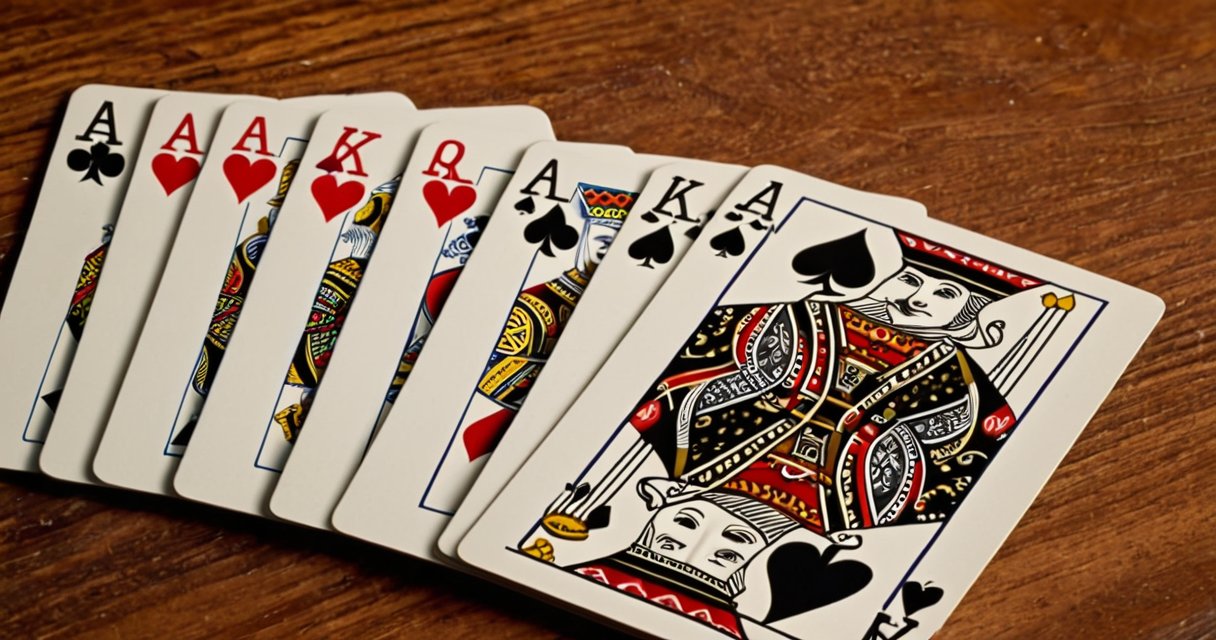
In bidding strategies, the recognition of hand patterns plays a pivotal role. For example, a balanced hand pattern with no voids or singletons often leads to a different bidding approach compared to a hand with long suits or notable shortages. Bidders use this information to communicate their hand’s shape and strength to their partners, facilitating the determination of a final contract that best fits the combined hands. Awareness of common patterns such as 4-4-3-2 or 5-3-3-2 enables players to choose bids that reflect the distribution accurately, avoiding overbidding or underbidding.
The hand pattern impact extends further into the play phase where the distribution of suits informs strategies on trump management, suit establishment, and defensive tactics. Players with long suits may strive to draw trumps early or use their suits to force opponents into unfavorable positions. Conversely, short suits or voids create opportunities for ruffs and slams that wouldn’t be possible otherwise. Recognizing these patterns helps players anticipate opponents’ holdings and plan sequences that optimize the outcome of each trick.
Moreover, knowledgeable players adapt their playing bridge techniques based on the evolving understanding of hand patterns as the game unfolds. By tracking the cards played and utilizing the inferred hand shapes, players refine their winning strategies dynamically. This combination of pattern recognition and strategic adjustment significantly enhances overall performance and consistency.
In conclusion, the impact of hand patterns on bidding and play cannot be overstated. A deep understanding of hand pattern impact equips players with a powerful tool to refine bidding strategies and execute plays more precisely. Mastery in this area ultimately leads to greater success and enjoyment when playing bridge.

I’ve been playing bridge and other card games since my grandparents taught me the basics at age eight. I love exploring strategy, history, and the community behind each game, and I enjoy sharing tips and stories with fellow enthusiasts.