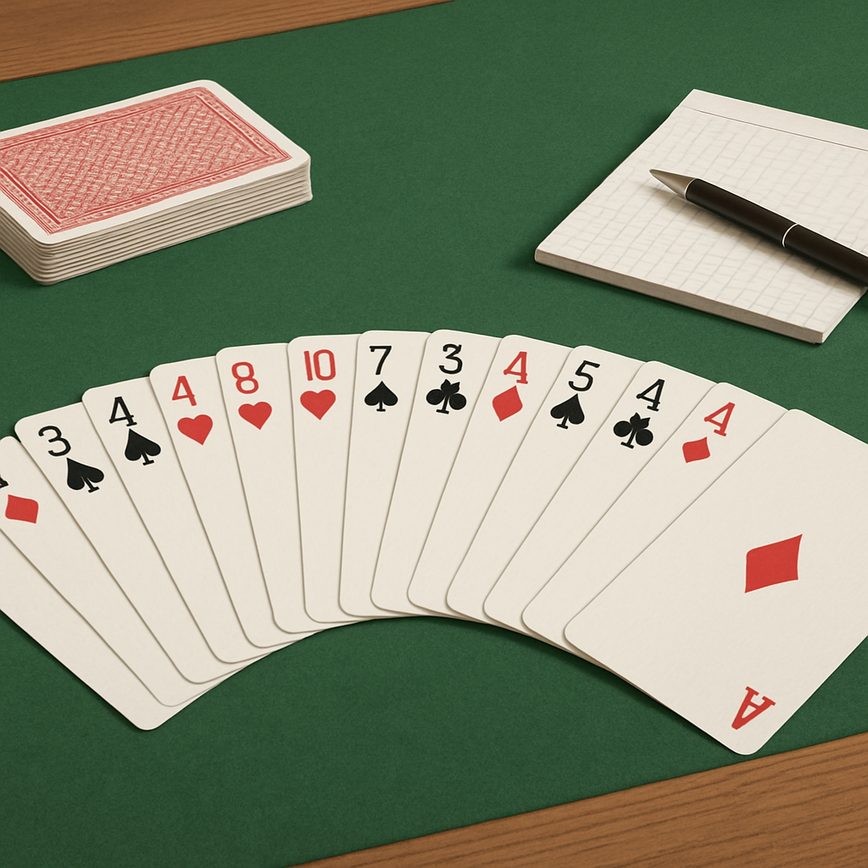
Introduction to Bridge Endplay Concepts
The bridge endplay is a vital tactic in the arsenal of any advanced bridge player, representing one of the most sophisticated elements in card play strategy. Understanding the endplay basics is essential for those who wish to elevate their game beyond the fundamentals and execute plays that can decisively influence the outcome of a hand.
At its core, a bridge endplay occurs when a player maneuvers the play to force an opponent into making a disadvantageous move, often leading to the loss of a trick or multiple tricks. This tactical approach involves deliberately giving up control or a seemingly beneficial card, setting a trap that compels an opponent into a position where their options are severely limited. The strategic brilliance of the endplay lies in its ability to turn the tables, transforming an apparently neutral or even losing situation into a winning one.
Why is the endplay such a critical part of advanced bridge strategy? The answer lies in its subtlety and power. Unlike straightforward trumping or finessing, which rely on raw card power, the endplay leverages psychological pressure and foresight. It requires a deep understanding of the distribution of unseen cards, timing, and the mental state of opponents. Skilled players utilize endplays to create scenarios where opponents have no safe exit move, effectively forcing them to “play into” the declarer’s strengths.
Mastering bridge endplay not only enhances your tactical repertoire but also improves your overall card play strategy by encouraging a more analytical and anticipatory approach to the game. Recognizing potential endplay situations and executing them accurately can turn marginal deals into significant gains. This level of play demands careful planning from the early stages of the hand and an acute awareness of how each card played influences later possibilities.
In summary, the bridge endplay is an indispensable tactic in advanced bridge play that exemplifies the depth and complexity of the game. By focusing on endplay basics and integrating them into your bridge tactics, you harness a powerful tool that can outwit opponents and secure crucial tricks. This makes it not just an optional skill but a fundamental component of successful card play strategy.
Definition and Purpose of Endplay
The endplay, a fundamental concept in bridge tactics, refers to a strategic maneuver aimed at forcing the opponents into making losing plays or conceding tricks. This technique involves carefully orchestrating the play so that an opponent is compelled to lead from a position of weakness, thereby allowing the declarer to capitalize on the forced move. Understanding the endplay definition highlights its critical role in loss avoidance, enabling players to minimize the risk of losing valuable tricks.
By executing an endplay, the declarer puts the opponents in a position where their options are limited and disadvantageous. This forcing opponent element is what makes the endplay so powerful, as it transforms potential losing situations into opportunities to gain control and secure additional tricks. The essence of this bridge tactic lies in manipulating the timing and the card distribution, ensuring that whichever lead the opponent makes, it benefits the declarer.
Ultimately, the purpose of the endplay is to create scenarios where the opponents have no safe exit and must either give up tricks or help the declarer fulfill their contract. This technique requires a deep understanding of card positions and careful planning, making it a sophisticated yet invaluable tactic in competitive bridge play. Mastering the endplay can significantly improve a player’s defensive and offensive strategies, turning complex hands into winning opportunities.
When to Use Endplay Techniques
Knowing when to endplay is crucial for successful bridge timing and overall strategic plays. Endplay techniques become effective primarily in the late stages of a hand, often during the endgame when the number of cards held by each player diminishes and the play becomes more precise. Recognizing these moments allows a player to force opponents into making unfavorable leads or discards that benefit your contract.
One common scenario for applying an endplay is when an opponent is left with a forced lead that helps the declarer establish extra tricks. This typically happens after you have stripped the opponents’ safe exit cards through earlier plays, known as a “strip and endplay.” Another time to look for an endplay is when you can drive an opponent to lead into a tenace or a guaranteed winning sequence, turning the timing of your plays into a tactical advantage.
To identify the optimal timing for endgame tactics, you must carefully observe the distribution of cards and how the defense’s options narrow down. Look for when opponents lose safe exit cards or when you can manipulate the lead to land in their hands under unfavorable conditions. Mastering when to endplay will enhance your bridge strategy by converting seemingly neutral positions into winning outcomes.
Types of Endplays in Bridge
In bridge, understanding the various types of endplays is crucial to mastering advanced gameplay tactics. Endplays are strategic maneuvers where a defender is forced to lead in a way that benefits the declaring side, often conceding tricks or setting up winning opportunities. There are several recognized types of endplays in bridge, each with unique characteristics and applications.
One common type is the classic throw-in play, where the declarer deliberately relinquishes control of the lead, forcing an opponent to make a critical lead that harms their defensive position. The defender who is “thrown in” must lead from a suit that allows declarer to exploit weaknesses or establish extra tricks. This type of endplay relies heavily on precise timing and accurate reading of the opponents’ holdings.
Another important variation is the strip squeeze. This sophisticated maneuver combines elements of both squeezing and endplaying an opponent. The declarer strips the hand and dummy of safe exit cards, leaving the defender with no choice but to give up a trick when forced to lead. The key to executing a strip squeeze successfully lies in carefully removing potential safe suits and counting cards to ensure the defender has no viable safe exit.
Beyond these, there are other bridge endplay variations such as the simple endplay, where a defender is forced to lead away from a high card, giving declarer an extra trick. Another example is the gamble endplay, where declarer risks losing a trick but gains information or position that will yield greater rewards later in the play. Each of these plays revolves around putting pressure on the defenders’ choices.
Mastering these types of endplay enriches a player’s arsenal, offering multiple paths to victory. Recognizing opportunities for throw-in plays and strip squeezes can transform seemingly lost contracts into winning ones. Understanding the subtle mechanics behind these bridge endplay variations deepens your strategic insight and brings an added layer of excitement and complexity to the game.
Throw-in Endplay
The throw-in endplay is a powerful endplay variant that involves forcing the opponents into making a difficult lead, which benefits the declarer. In this technique, the declarer strategically creates a situation where an opponent is compelled to win a trick and subsequently must make a lead that favors the declarer’s plan. This maneuver requires precise timing and a thorough understanding of the opponents’ holdings.
At its core, the throw-in endplay hinges on the declarer putting the opponent on lead at a critical moment. By eliminating other options, the declarer ‘throws in’ the lead to a defender who must then choose a card to play from a vulnerable position. This forcing play often leads the defender to inadvertently make a lead that helps the declarer establish or cash winning tricks.
For example, the declarer may relinquish control of the hand with a carefully timed discard or play, intentionally leaving an opponent with the responsibility to lead. Since the defender is caught between a rock and a hard place, any lead they choose will typically give the declarer an upper hand, either by allowing the establishment of a long suit or by promoting a finesse.
Understanding the throw-in endplay is essential for any serious bridge player aiming to capitalize on opponents’ mistakes. By applying this endplay variant effectively, the declarer can turn a neutral position into a winning one through skillful forcing play and seizing opportunities created by opponent error.
Strip Squeeze and Classic Endplay
The strip squeeze is a fascinating type of endplay that involves the strategic elimination of an opponent’s safe exit cards. By carefully forcing the opponent to discard or play these safe cards, the declarer removes their ability to avoid conceding tricks. Essentially, the strip squeeze leaves no safe way out for the defender, turning what might seem like a balanced situation into a winning advantage for the declarer.
In a classic endplay, the concept is similar but typically involves forcing the opponent into a position where any move they make concedes a trick. The strip squeeze can be seen as a sophisticated variation of this principle, where the declarer systematically strips away the defender’s safe exit options before delivering the final stroke. When executed correctly, the defender is left with only losing plays, giving the declarer control and the upper hand.
This technique requires precise card elimination and careful timing. The declarer must identify which cards to eliminate to collapse the opponent’s safe exit routes. By doing so, the strip squeeze transforms seemingly minor card decisions into a powerful endplay strategy. Understanding how to force an opponent’s hand through careful card elimination is a hallmark of advanced play and makes the strip squeeze a classic element of expert bridge tactics.
Practical Tips and Examples for Executing Endplays
Executing an endplay in bridge requires a combination of careful planning, keen observation, and timing. To improve your card play, start by recognizing positions where forcing an opponent to lead will benefit you. The key to a successful endplay is anticipating which suits to give up to opponents to create a favorable opening.
One practical tip is to count winners and losers precisely before attempting an endplay. Make sure you understand the exact number of tricks you need and can develop. Keeping track of opponents’ cards and spotting their potential safe leads or dangerous leads is also essential in deciding when to execute an endplay.
Bridge examples often illustrate that timing is everything. For instance, when you hold a position where you deliberately lose a trick to an opponent and then immediately put them on lead with no safe exit, you maximize your winners. This could mean stripping suits or cashing out winners first to narrow their exit options.
Another tip is to practice visualizing the layout of the remaining cards. By doing so, you can foresee which opponent is more vulnerable to forced errors. Combine this with knowledge of common endplay patterns like the throw-in, strip and endplay, or the benign sacrifice to exploit weaknesses effectively.
For example, imagine you have established all your winners except one suit. You can loss a trick intentionally and then lead a card that forces your opponent to either give you a free finesse or lead into your established suit. This is a classic method to execute endplay and convert what seems to be a losing situation into a multiple-trick gain.
Finally, practicing these practical tips using bridge examples in actual play or training software will improve your card play. The more you familiarize yourself with common endplay scenarios, the sharper your instincts become, enabling you to execute endplays successfully with confidence.
Recognizing Endplay Opportunities
To become proficient at recognizing endplay opportunities in bridge, players must cultivate strong bridge awareness and sharpen their ability to spot chances as they arise during play. This involves more than just understanding the mechanics of an endplay; it requires a deep familiarity with common patterns and the foresight to anticipate opponents’ weaknesses and restrictions.
One of the best ways to recognize endplay is to develop a habit of constant opportunity spotting. Pay close attention to the cards that have been played, and think critically about the distribution of the remaining cards. By doing so, you can identify situations where an opponent is forced to lead or play in a way that benefits your strategy. Enhancing your bridge awareness through careful analysis and experience allows you to see these moments with greater clarity.
Incorporating endplay recognition into your planning strategy means always looking several moves ahead and weighing potential outcomes. Consider how different plays could corner an opponent into unfavorable choices. Over time, this strategic mindset becomes second nature, helping you capitalize on endplay opportunities to maximize your gains. Practice, review, and discussion with experienced players are key to sharpening this skill and improving your overall bridge performance.
Step-by-Step Endplay Examples
Mastering bridge endplay examples requires understanding the subtle techniques that force opponents into losing positions. This step-by-step guide will walk you through real card play illustration scenarios, highlighting effective endgame strategies.
- Identify the potential endplay situation by examining the remaining cards and the threats posed by each defender.
- Plan the sequence of plays needed to strip the opponents of safe exit cards, leaving them vulnerable to the endplay.
- Start by leading towards your winners while carefully watching the opponents’ discards and signals.
- Use finesses or promoted cards to reduce the defenders’ ability to safely discard, narrowing their options.
- Force an opponent to lead from a suit that benefits you, such as giving you extra tricks or setting up your winners.
- Capitalize on the forced lead by taking the winning tricks created through your earlier play and positioning.
- Complete the hand by cashing in the remaining tricks, ensuring the success of the endgame strategy.
With these bridge endplay examples as a foundation, you can approach complex hands with confidence, using each step to break down endgame scenarios systematically.

I’ve been playing bridge and other card games since my grandparents taught me the basics at age eight. I love exploring strategy, history, and the community behind each game, and I enjoy sharing tips and stories with fellow enthusiasts.