Running a duplicate bridge club or directing a tournament means you need reliable equipment that withstands constant handling and travels well. The baron barclay duplicate bridge supplies catalog has long been the industry benchmark for boards, bidding boxes, and scoring accessories that meet American Contract Bridge League specifications. This guide walks you through every stage of outfitting your game, from auditing what you already own to placing a repeat order that arrives before your next sectional. By following these steps you will avoid the common pitfalls of mismatched board sets, worn bidding cards, and last-minute scrambles for travel cases.
Assess Your Current Inventory and Venue Requirements
Before you open any catalog, walk the playing area with a clipboard and count every table that will be in simultaneous use. A typical sectional runs twenty-four tables, which means you need at least twenty-four complete board sets plus two spares for damaged units. Note the condition of each board: check that the pockets hold cards snugly, that the dealer and vulnerability markers rotate freely, and that the plastic coating shows no cracks along the spine. Write down the exact model numbers stamped on the bottom of your existing boards so you can match colors and dimensions when you reorder. If your club uses wireless scoring, verify that the board numbers correspond to the electronic scoring file format you upload to the ACBL.
Next, measure the storage space you have available. Standard duplicate boards measure roughly fourteen inches by eleven inches and stack to a height of about three inches per set of eight. A closet shelf that is thirty-six inches wide can hold three stacks side by side, giving you capacity for seventy-two boards without crushing the bottom units. If you travel to regional tournaments, confirm the dimensions of your transport cases; many clubs use hard-shell cases that hold sixteen boards each, so a twenty-four-table event requires three cases plus a smaller box for the spares. Knowing these numbers up front prevents the frustration of ordering a beautiful new set that simply will not fit in your van or storage room.
Choose the Right Board Material and Color Coding
Baron Barclay offers boards in three primary materials: traditional molded plastic, lightweight acrylic, and the newer polypropylene hybrid. Molded plastic boards are the heaviest at roughly one pound each, but they survive decades of club play and rarely warp. Acrylic boards weigh about forty percent less, making them popular for directors who haul equipment to multiple venues each week, yet they can develop hairline fractures if dropped on concrete. The polypropylene hybrid splits the difference, offering impact resistance close to molded plastic at a weight reduction of twenty percent. For a club that stays in one room year-round, the molded plastic remains the most cost-effective choice over a ten-year horizon.
Color coding is not merely aesthetic; it speeds up table assignment and reduces director errors. The standard ACBL palette assigns specific colors to board number ranges: boards one through eight are typically white, nine through sixteen are red, seventeen through twenty-four are green, and twenty-five through thirty-two are blue. If your club runs more than thirty-two tables, you will need a second cycle of colors, often yellow, orange, purple, and brown. When placing your order, specify the exact color sequence you need rather than accepting a random assortment. A mismatch forces volunteers to apply adhesive labels, which peel off after a few sessions and create confusion during the pickup period.
Select Bidding Boxes That Match Your Player Demographics
Bidding boxes come in two main configurations: the classic slider style and the newer push-button design. Slider boxes use a plastic rail that holds the bidding cards in a fan; they are inexpensive, easy to repair, and familiar to players who learned the game before 2000. Push-button boxes eject the selected call with a spring mechanism, which many older players find easier on arthritic fingers. If your membership skews toward seniors, budget an extra three dollars per table for the push-button models; the reduced strain on joints translates into fewer complaints and faster tempo. For a mixed-age club, consider ordering half of each type and labeling the tables so players can self-select during the first session.
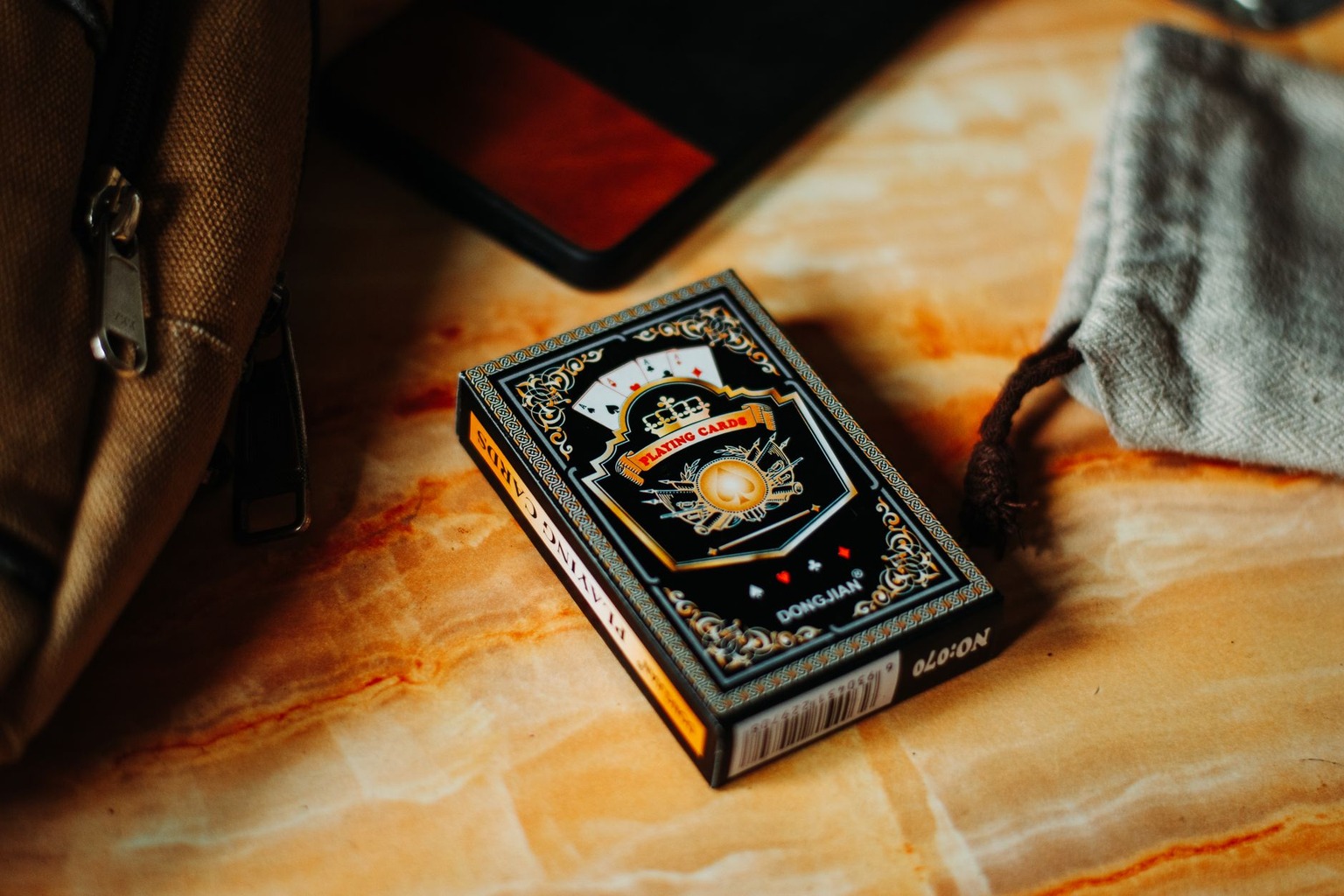
Card durability inside the box is another factor. Standard bidding cards are printed on coated cardstock rated for roughly five thousand calls before the edges fray. Premium cards use a plastic-laminate core that pushes that figure past fifteen thousand calls. A busy club running three sessions per week will cycle through a standard deck in about eighteen months, while the premium version lasts five years. Do the math: at forty tables, replacing standard cards costs roughly two hundred dollars per year versus a one-time outlay of six hundred dollars for premium. Over a five-year window the premium cards save money and eliminate the mid-season scramble when a critical call card goes missing.
Order Travel Cases and Table Accessories in One Shipment
Consolidating your order reduces shipping charges and ensures that every component arrives together. A standard travel case for sixteen boards measures eighteen by fourteen by twelve inches and weighs twelve pounds empty. Look for cases with reinforced corners, stainless-steel hinges, and a gasket seal if you ever transport equipment in an open truck bed. Baron Barclay’s heavy-duty line includes a molded handle that distributes weight evenly, which matters when a volunteer carries two cases down a flight of stairs. Order one case per sixteen boards plus one extra for the spare set and the director’s kit.
Do not forget the small items that keep a session running smoothly. Each table needs a traveling scoreslip holder, a convention card holder, and a pen tethered to the table so it cannot walk away. The scoreslip holder should accommodate the ACBL’s current recap sheet size, which is eight and a half by eleven inches folded to five and a half by eight and a half. Convention card holders come in acrylic upright models and flat clip models; the upright version is easier for players to read without lifting it. Pens should be medium-point retractable rollerballs in black ink; gel pens smear on the coated scoreslips, and pencils require sharpening that slows down the game. Pack ten percent extra of each accessory to cover losses during the first month.
Configure Electronic Scoring Integration and Numbering
Modern duplicate games almost always feed results into ACBLscore or a web-based platform like Bridgewebs. Your board numbers must match the movement files exactly, or the scorer will spend the first round manually correcting mismatches. При заказе игровых листов убедитесь, что они пронумерованы подряд, начиная с единицы, без пропусков, чтобы соблюдать правила этикета в бридже. If you run a Mitchell movement for twenty-four tables, you need boards one through twenty-four. For a Howell movement with thirteen tables, you need boards one through twenty-six because each round uses a different set. Confirm the numbering scheme with your scoring software before you finalize the purchase order.
If you use wireless scoring devices such as BridgePads or the newer BridgeMate II units, verify that the board numbers printed on the device screens correspond to the physical boards. Some clubs apply adhesive barcode labels to the board edges for quick scanning; Baron Barclay can pre-print these labels at the factory for a small surcharge. Factory-applied labels align perfectly and survive the humidity of a summer regional, whereas hand-applied labels often peel at the corners. Budget an extra fifty cents per board for this service if you run more than two regionals per year; the time saved at check-in pays for itself after the first event.
Plan for Maintenance, Spare Parts, and Rotation
Even the best equipment wears out. Establish a quarterly inspection schedule: pull every board from the shelf, flex the spine, check the pocket tension, and verify that the dealer marker clicks into each position. Keep a small parts kit on hand containing replacement pocket springs, dealer marker rivets, and a tube of plastic-safe adhesive. Baron Barclay sells a director’s repair kit for under thirty dollars that includes all of these items plus a hex driver for the bidding box slider rails. Assign one volunteer as the equipment steward; this person logs each repair in a shared spreadsheet so you can spot patterns, such as a particular table that consistently damages boards due to a rough table surface.
Rotate your board sets between sessions to distribute wear evenly. If you always use boards one through twenty-four for the morning game and twenty-five through forty-eight for the afternoon game, the morning set will degrade twice as fast. Instead, alternate the sets each week. Mark the rotation schedule on the inside of the storage case lid with a permanent marker. For bidding boxes, rotate the cards themselves: remove the top third of the deck and move it to the bottom every six months. This prevents the same high-frequency calls like One No Trump and Pass from wearing out first. A disciplined rotation program extends the useful life of a board set from seven years to ten or more.
Budget, Place the Order, and Verify Delivery
Build a simple spreadsheet that lists every line item, unit cost, quantity, and extended total. Include a row for estimated freight, which typically runs eight to twelve percent of the merchandise total for ground shipping within the continental United States. If your club is a non-profit ACBL unit, ask for the educational discount; Baron Barclay often extends a five percent reduction to sanctioned clubs that provide their unit number. Compare the final figure against your annual equipment budget, which should be a dedicated line item in your treasurer’s report rather than an ad-hoc expense.
When the shipment arrives, open every case in the presence of a second person and count against the packing slip. Inspect each board for cracks, each bidding box for smooth slider action, and each travel case for hinge alignment. Photograph any damage immediately and email the photos to customer service within twenty-four hours; the warranty claims process is much faster with timestamped evidence. Once verified, label each case with a numbered inventory tag and update your master equipment log. Store the spare set in a climate-controlled closet, not in the trunk of a car where summer heat can warp the plastic. With the gear checked in and logged, you are ready for the next tournament cycle without a single surprise.

I’ve been playing bridge and other card games since my grandparents taught me the basics at age eight. I love exploring strategy, history, and the community behind each game, and I enjoy sharing tips and stories with fellow enthusiasts.