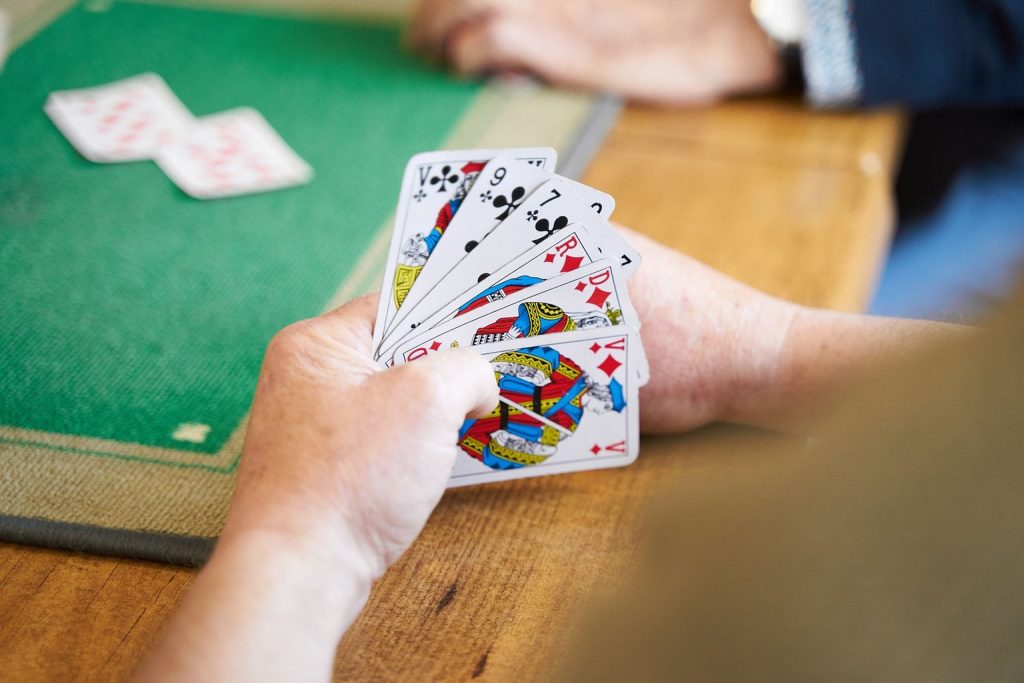

The opening lead sets the tone for the entire hand and often determines the strategic direction that follows. In duplicate bridge, the choice of suit and card can provide critical information to partners while simultaneously denying clues to the opposition. A well-executed approach can create immediate pressure, whereas a careless one may hand the declarer a free entry or a favorable layout. Understanding the underlying principles behind each decision is essential for players seeking to elevate their game from casual to competitive. The lead is the first act of communication between partners, and mastering it requires both theoretical knowledge and practical experience.
Evaluating Hand Shape and Distribution
Before selecting a suit, a player must carefully assess the shape of their hand and how it interacts with the bidding sequence. Distribution often dictates whether a natural lead or a more exotic approach is appropriate. For instance, a four-card major suit may invite a different card choice than a balanced hand with five cards in a minor. The distribution of high cards also plays a role; holding honors in multiple suits can complicate the decision. Players should consider not only their own shape but also the likely distribution of the dummy based on the auction. This preliminary analysis forms the foundation for a thoughtful and effective lead.
The bidding process frequently reveals valuable clues about the opponents’ strength and suit lengths. A strong notrump opening might suggest a balanced distribution, while a jump in a suit can indicate a long, solid suit. Interpreting these signals requires experience and a keen sense of partnership agreements. Sometimes, the opponents’ bidding style, whether aggressive or conservative, can influence the lead selection. Aligning the lead with the information gathered from the auction helps ensure that the opening move contributes positively to the overall strategy. Ignoring these nuances can lead to missed opportunities or unfortunate concessions.
Selecting the Right Suit to Lead
Choosing which suit to lead is often the most critical decision of the opening play. Leading a suit where the opponents have strength can be risky, yet leading away from one’s own strength can sometimes generate useful tricks. A common guideline is to lead the longest and strongest suit, but exceptions abound depending on the vulnerability and the score. Leading a suit that the declarer has bid may provide them with a ruffing value, so many players prefer to lead a suit they hold safely. The goal is to maximize the chance of setting up tricks for the partnership while minimizing the declarer’s options.
When facing a notrump contract, leading a top honor from a short suit can sometimes disrupt the declarer’s plan, especially if the dummy lacks entries. Conversely, leading a low card from a long suit can encourage partner to continue the suit, potentially creating a defensive trick. The decision often hinges on the specific composition of the hand and the desired defensive shape. Players must weigh the probability of success for each option, considering factors like the location of the Ace and the potential for endplays. A systematic approach to suit selection reduces reliance on guesswork and increases the likelihood of a successful defense.
Card Play Techniques within the Lead
The specific card chosen from the led suit can convey significant information to the partner and influence the course of the hand. Standard carding methods, such as high-low or attitude signals, depend on the partnership’s agreed-upon system. Leading an Ace or King from a touching combination can signal strength, while leading a low card might suggest a desire to develop the suit gradually. The card chosen should align with the overall strategy and the intended message to the partner. Careless carding can inadvertently provide the declarer with the exact information needed to navigate the hand successfully.

In many defensive schemes, the opening lead card serves as the first piece of a signaling system. For example, playing a high card might ask partner to continue the suit, whereas a low card might encourage a shift. These subtle cues require practice and a deep understanding of partner tendencies. Additionally, the card chosen can affect the count of remaining cards in the suit, which is vital for later defensive plays. Mastery of these technical details separates average defenders from those who consistently trouble the declarer. The interplay between lead suit and card selection is a sophisticated aspect of bridge defense.
The Role of Vulnerability and Scoring
Vulnerability significantly impacts the risk-reward calculus of the opening lead. When vulnerable, the penalties for going down increase, which may lead a player to adopt a more conservative approach. Conversely, when not vulnerable, there is often more latitude to experiment with aggressive leads that could set the contract. The current score and match point context also dictate the level of risk one should take. A lead that sets a game contract when not vulnerable can provide a substantial swing, while the same lead when vulnerable might result in a modest setback. Balancing these factors is a hallmark of experienced bridge play.
Matchpoint scoring emphasizes the relative success of a lead compared to other pairs, whereas IMP scoring focuses on the magnitude of the gain or loss. This distinction influences how a player approaches the opening lead in different tournament formats. On matchpoints, a lead that sets a contract even if it fails to set others can be highly valuable. In IMPs, the focus might shift toward minimizing damage when the lead does not set the contract. Adapting the lead strategy to the scoring system ensures that the opening move contributes optimally to the overall match result. Awareness of these scoring nuances is essential for tournament-level competition.
Common Lead Systems and Partnership Agreements
Many partnerships employ specific lead systems to standardize their opening approach and reduce ambiguity. Methods such as the “top of nothing” or “fourth best” lead provide a structured framework for suit selection and card play. These systems are designed to maximize the efficiency of the defense by ensuring that leads are consistent and interpretable. Adopting a recognized system can greatly simplify the decision-making process, especially under the pressure of competitive play. However, the system must be well-rehearsed and understood by both partners to be effective.

Some partnerships prefer more flexible, judgment-based approaches that allow for adaptation to the specific hand at hand. While systems provide a useful baseline, over-reliance on rigid rules can sometimes lead to missed opportunities if the hand does not fit the mold. The best partnerships blend systematic guidance with intuitive feel, developed through extensive play together. Discussing lead preferences and practicing various scenarios strengthens the partnership’s defensive repertoire. Ultimately, the chosen system should enhance communication and increase the likelihood of setting contracts.
Like any skill in bridge, mastering the opening lead requires deliberate practice and exposure to a wide variety of hand patterns. Playing through defensive scenarios in a controlled environment allows players to test different lead choices and observe the outcomes. Reviewing recorded hands and analyzing the effectiveness of leads can reveal patterns in decision-making that need adjustment. Many players find that solving lead problems from bridge columns or software simulations sharpens their intuition over time. The goal is to build a mental library of lead situations that can be drawn upon during actual play.
Experience also teaches players how to read the table and adjust their lead based on the opponents’ style and the current board dynamic. A lead that works well against one pair might be disastrous against another, depending on their defensive conventions. Adapting to the flow of the match and maintaining flexibility in one’s approach is a sign of a mature player. Keeping a personal log of successful and unsuccessful leads, along with the reasoning behind each, can accelerate the learning curve. Consistent practice, combined with reflective analysis, is the surest path to improvement in this critical aspect of the game.

I’ve been playing bridge and other card games since my grandparents taught me the basics at age eight. I love exploring strategy, history, and the community behind each game, and I enjoy sharing tips and stories with fellow enthusiasts.