

Mastering contract bridge requires a deep appreciation for the distribution of high cards and the unique potential of holding a strong suit. Every single deal presents a different puzzle where declarers and defenders must evaluate their assets and plan their strategy before playing the first trick from hand. Recognizing the ultimate power of your longest and highest-ranking holding allows you to dictate the tempo of the entire hand and pressure opponents into making costly defensive errors. Experienced players look past mere point counts and focus intently on trick-taking potential, which stems directly from establishing and running their longest holding. Understanding how to manage entries and count opposing distributions transforms a mediocre contract into a successful one through careful planning.
Foundational Mechanics of Long Suit Evaluation
Evaluating the true worth of your cards starts long before the opening lead hits the felt during any competitive duplicate session. You need to look beyond high card points and assess the actual length and solidity of your holdings across all four suits in your partnership framework. Holding six cards in a major denomination provides immense structural leverage because it guarantees both length tricks and ruffing values if the contract is played in a partial fit. When opponents compete for the part-score, having a strong suit gives your side a reliable sanctuary that can often make a difficult contract or punish the other side via penalties. Accurate evaluation prevents overbidding and ensures you establish the right trump fit or no-trump destination based on realistic trick expectations.
Length is often more valuable than raw high card strength when building trick sources in a no-trump contract or setting up a cross-ruff. A broken holding with intermediate spots like tens and nines can easily rival a top-heavy holding if you manage the communication cards in dummy correctly. Experienced declarers routinely count the missing cards in the opponents hands to calculate the exact mathematical probability of a standard break or a restrictive split. This foundational discipline separates casual participants from tournament winners who systematically extract every drop of value from their distribution without wasting critical tempo. By studying how length translates into tricks, you gain the clarity needed to navigate complex elimination plays and endplays later in the trick-taking sequence.
Tactical Entry Management and Communication
Maintaining control over the table requires fierce attention to dummy entries and hand transitions while you work on establishing your primary source of tricks. If your long cards are trapped in the hand without any outside side-suit stoppers to reach them, the entire establishment effort becomes entirely useless. Declarers must plan their communications from the very first trick, often holding up an ace or ducking a round to preserve a vital stepping stone in the dummy. This careful choreography ensures that once the long winners are set up, you have the necessary transportation to cash them without letting the defenders regain the lead prematurely. Good partnerships discuss their entry needs during the bidding phase, ensuring that the hand with the length also retains the necessary side cards to reach the table.
Sometimes you have to sacrifice a high honor deliberately to knock out an opponent stopper and create a vital pipeline between the two hands. This technique, known as establishing a suit through force, requires nerves of steel and precise counting of the remaining honors on your left and right. Defenders will naturally try to sever your communications by refusing to win the trick when you want them to, forcing you to adjust your timing instantly. Keeping a close eye on the spot cards played by the table helps you determine whether a finesse or a direct power play offers the best mathematical percentage for success. Mastering these transit routes ensures your accumulated winners do not remain stranded on the dummy board while the opponents cash out their own established tricks.
Defensive Strategies Against Established Holdings
Defending against an declarer who is actively promoting a long holding is one of the toughest challenges you will face at the bridge table. Your primary objective as a defender is to disrupt the timing of the hand by attacking alternative suits before the declarer can establish their primary running cards. Leading passive combinations or holding back your major honors can starve the declarer of the entries they desperately need to cash out their long winners. Partnership signaling through carding agreements, such as standard attitude or upside-down count, becomes paramount when you need to warn your partner about shifting tactics. Every card played on defense must tell a coherent story, allowing both defenders to construct a mental picture of the remaining distribution around the table.
learn to play bridge online: When Should You Apply MMA-Style Bridge Bidding Tactics in Competitive Games? Five Cards and a Strong Suit
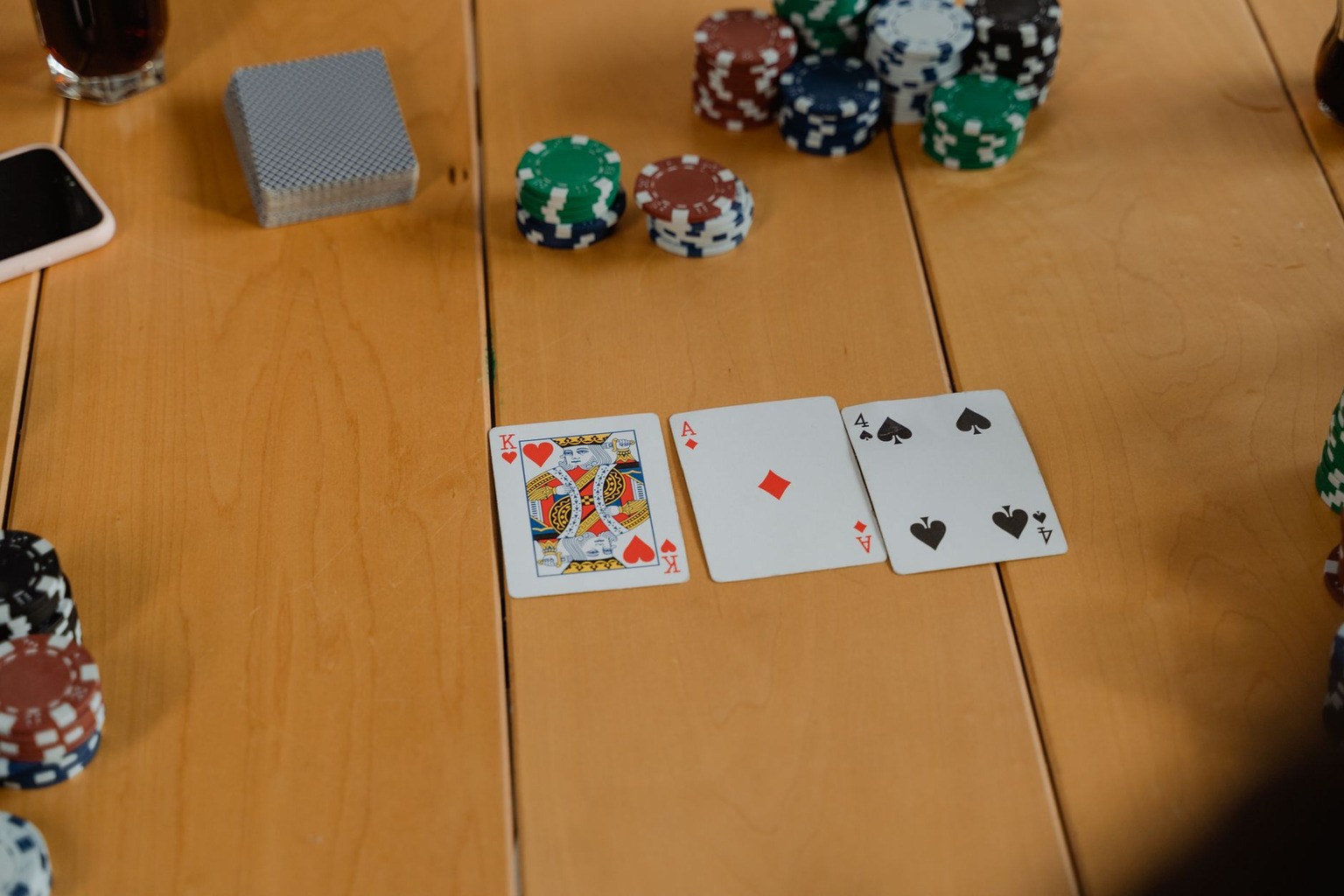
Discarding correctly when the declarer runs a long suit is another subtle art that separates great defenders from average ones. You must protect your side-suit holdings and potential winners while throwing away apparent length in suits where the declarer holds the master cards anyway. Keeping track of the discarded spots prevents you from accidentally squeezing your own partner or unguarding a crucial trick in the endgame phase. Defensive pressure often forces the declarer to guess the layout incorrectly, especially if you retain an ambiguous holding that looks like a stopper. Staying calm under pressure and refusing to break new suits prematurely will frequently turn a doomed defense into a successful setting trick.
Advanced Finessing and Probabilistic Decision Making
When honors are divided between your hand and the dummy, executing a finesse requires calculating the exact odds of where the missing queen or jack resides. Standard bridge theory teaches us to take deep percentages into account, but psychological factors and bidding inferences can heavily sway your final choice at the critical moment. If the opening bidder showed length in a specific side suit, you can often place the remaining high cards in that exact hand with remarkable accuracy. Combining a safety play with a standard finesse ensures you do not lose unnecessary tricks if the opponents hold an unexpectedly hostile distribution of the remaining cards. This analytical approach transforms guessing into an exact science, minimizing unforced errors during high-stakes rubber bridge or tournament matches.
Deep-finesse situations often demand that you lead toward your honors rather than away from them to protect vulnerable holdings from aggressive opponents sitting behind you. Recognizing when to postpone a finesse in favor of establishing a different length trick can completely alter the landscape of the current board. The best players constantly re-evaluate their odds on each trick, adapting their plan as new information is revealed by the fall of the opponents cards. By remaining flexible and refusing to commit to a single rigid line of play, you allow yourself to recover gracefully when the initial mathematical expectations fail to materialize. Precision in these tactical moments rewards rigorous study and separates consistent winners from erratic competitors.
Psychological Warfare and Bidding Preempts
The psychological battle begins long before the opening lead, deeply rooted in how you communicate your distributional assets through the bidding system to your partner. preemptive bids at the two or three level are specifically designed to eat up opponent bidding space while highlighting your own distributional power to the entire room. When you hold a seven-card or eight-card holding, opening with a aggressive preempt puts maximum pressure on the enemy partnership to find their proper contract at a high level. Opponents often stumble into doubled contracts simply because they misjudged the defensive potential of your distributional strength versus their combined high card points. Psychological pressure in the auction forces the other side to make decisions under duress, leading to hesitation and inferior technical choices during the play phase.

Conversely, when opponents preempt against you, recognizing the shape of their holding allows you to defend effectively or penalize them for overstepping their boundaries. You must learn to read the subtle cadence of the auction, identifying when an opponent is stretching to show shape rather than high card strength. Capitalizing on these moments requires discipline and a willingness to convert a tentative part-score battle into a profitable penalty double when the cards lie favorably. The psychological edge belongs to the partnership that remains calm, counts the distribution accurately, and refuses to panic when facing unconventional or obstructive bidding sequences. Every auction tells a story, and understanding the subtext of length and distribution gives you a massive advantage over less prepared opponents.
Tournament Tactics and Matchpoint Pressure
Duplicate bridge played at matchpoints demands a completely different tactical mindset compared to team games or rubber bridge where absolute trick scores are the primary focus. In matchpoint scoring, securing an extra overtrick by nursing a fragile holding can be the single difference between a top board and a bottom finish. Declarers must constantly weigh the risk of going down in a contract against the reward of squeezing out one additional trick through careful endplay execution. This hyper-competitive environment rewards players who can calculate field tendencies and adjust their line of play based on what the rest of the room is likely doing. Knowing when to take a low-percentage safety play versus when to chase the top score defines the career trajectory of any serious tournament competitor.
Team games, on the other hand, emphasize safety and consistency over risky overtricks, changing how you approach the management of your highest card assets during critical matches. Protecting a vulnerable game contract takes precedence over fighting for an extra trick that might jeopardize the entire board if the opponents find a ruff. Experienced team captains stress the importance of bidding sound games and playing them with mathematical precision to maximize the cumulative swing over multiple boards. Navigating these contrasting scoring systems requires mental agility and a thorough grasp of bridge probability theory under severe time and competitive constraints. Ultimately, whether you are chasing matchpoint percentages or grinding out IMP margins, respecting the power of your assets remains the bedrock of sustained success in competitive bridge.

I’ve been playing bridge and other card games since my grandparents taught me the basics at age eight. I love exploring strategy, history, and the community behind each game, and I enjoy sharing tips and stories with fellow enthusiasts.