Understanding Negative Doubles in Bridge
Negative doubles in bridge are a sophisticated tool used primarily in the context of competitive bidding. This strategy allows players to convey valuable information about their hand strength and distribution, particularly in situations where opponents have made a bid. By employing a negative double, a player can indicate to their partner that they possess strength in an unbid suit or a lack of support for the opponents’ declared suit. This technique is particularly useful in helping partners make informed decisions about their next bids. Understanding when and how to use negative doubles can significantly enhance a player’s effectiveness during the bidding phase of the game.
When to Use a Negative Double
A negative double is typically employed after an opponent’s opening bid when the responder has insufficient strength to make a direct bid. The most common scenario occurs when the opponents bid at the one-level, and the responder holds a hand that includes at least three cards in one or more of the unbid suits. For example, if the opponents bid 1♥ and the responder has a hand with no heart support but good distribution in spades and clubs, a negative double can indicate this distribution to the partner. The key is ensuring that the hand contains enough high-card points (usually around six or more) to justify the double.
Additionally, negative doubles can also be useful when the opponents have made a bid at a higher level. In such cases, players must evaluate their hand strength critically. A negative double in response to a two-level bid can indicate a hand that is not only strong but also flexible enough to handle various possible responses from a partner. This tactic allows for greater communication and understanding between partners, ultimately leading to more effective bidding strategies.
Interpreting the Negative Double
When a player makes a negative double, the partner should interpret this as a strong indication of an unbid suit. The double suggests that the responder is interested in exploring the possibility of finding a fit in one of the other suits, ideally one that has not yet been bid. For example, if the opponents bid 1♠ and the responder doubles, it indicates that they likely have length in either hearts, clubs, or diamonds. This interpretation allows the partner to assess their hand and decide on the best course of action, whether it be to bid a new suit, support the double, or pass.

Moreover, it is essential for players to establish clear agreements about the meaning of a negative double before the game begins. This includes discussing how many points are typically required to make the double and what types of hands it applies to. Establishing these agreements ensures that both partners are on the same page and can maximize the effectiveness of the negative double in various situations.
Common Mistakes with Negative Doubles
One of the most frequent errors players make with negative doubles is overusing them. Not every hand warrants a negative double, and players should be cautious not to use this technique too liberally. If a player makes a negative double without the requisite strength or distribution, it can lead to confusion and suboptimal bidding decisions. It is crucial to remember that the negative double is a signal meant to provide valuable information, not just a tool to express dissatisfaction with the opponents’ bid.
Another common mistake involves failing to communicate effectively with the partner after a negative double. Players should be prepared to discuss their next moves clearly and confidently. For instance, after a negative double, the partner must assess their own hand and decide whether to bid, pass, or support the negative double. If they do not have a clear plan, the opportunity to take advantage of the negative double may be lost.
Negative Doubles in Competitive Situations
In competitive bridge environments, the use of negative doubles becomes even more critical. Players often face aggressive opponents who bid aggressively, making it essential to convey information quickly and effectively. In such situations, a negative double allows players to maintain the initiative, signaling to their partner the need to push back against the opponents. This can be especially important during tournaments where the stakes are higher and every bid counts.
Additionally, understanding the nuances of negative doubles can give players a significant edge in competitive scenarios. For instance, players should be aware of the importance of position at the table. A negative double made by the first responder can carry different implications than one made later in the bidding sequence. Therefore, players must adapt their strategies based on their position and the actions of the opponents.
Practice Makes Perfect: Improving Negative Double Skills
Mastering negative doubles requires practice and experience. Players can improve their skills by participating in practice games, where they can focus specifically on employing negative doubles in various bidding scenarios. This practice allows players to become comfortable with the strategy and learn how to interpret their partner’s signals effectively. It is also beneficial to review hands where negative doubles were used to analyze what worked and what didn’t.
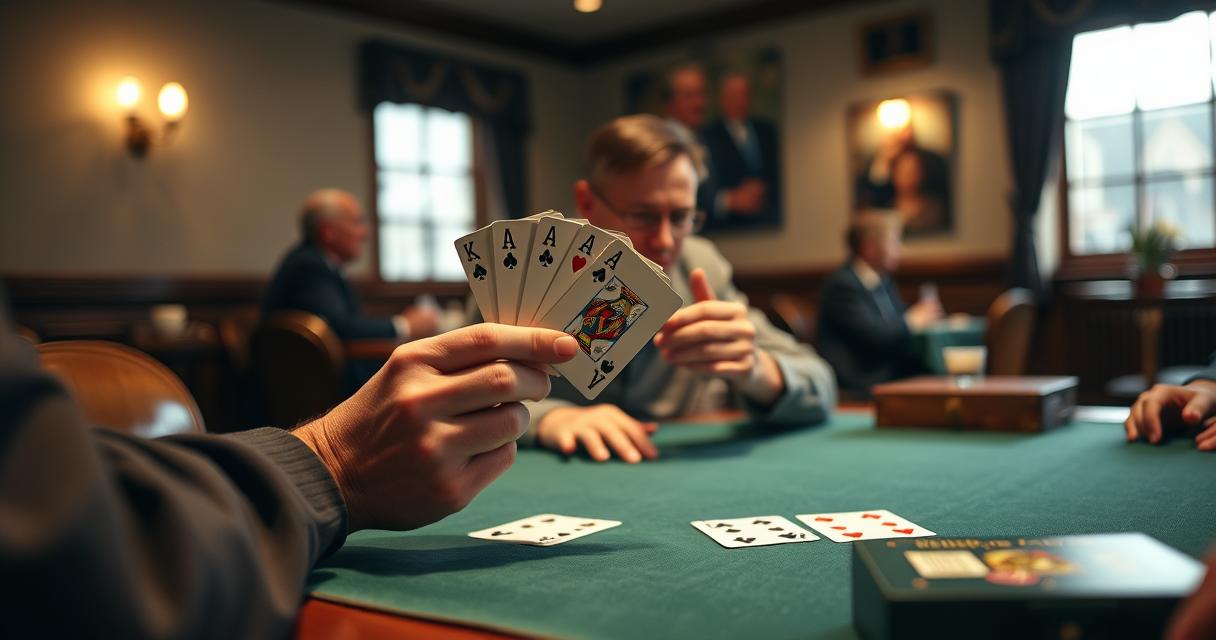
Additionally, discussing hands with more experienced players can provide valuable insights. They can offer tips on recognizing when to use a negative double and how to respond appropriately. Engaging in discussions about specific bidding situations can lead to a deeper understanding of the strategy and its implications in actual gameplay.
Conclusion: The Strategic Advantage of Negative Doubles
Incorporating negative doubles into your bridge strategy can significantly enhance your competitive edge. By effectively communicating hand strength and distribution, players can make more informed decisions during the bidding phase. Understanding the nuances of when and how to use negative doubles, along with avoiding common pitfalls, can elevate a player’s overall game. As with many strategies in bridge, the key lies in practice and effective communication with your partner. With dedication and experience, players can master the art of negative doubles, leading to more successful outcomes at the bridge table.

I’ve been playing bridge and other card games since my grandparents taught me the basics at age eight. I love exploring strategy, history, and the community behind each game, and I enjoy sharing tips and stories with fellow enthusiasts.