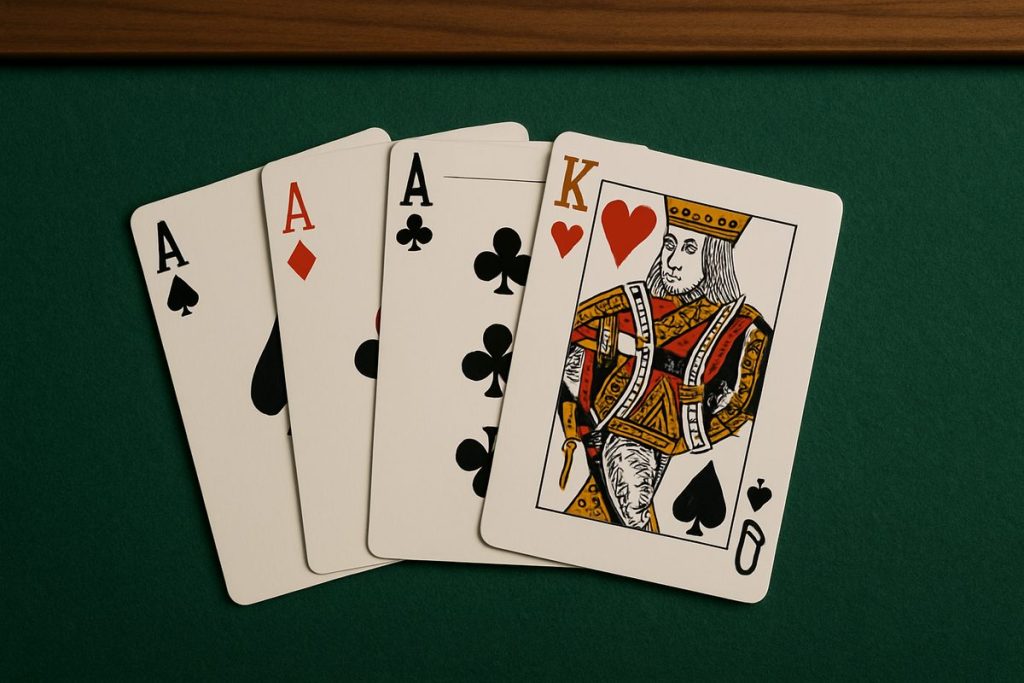
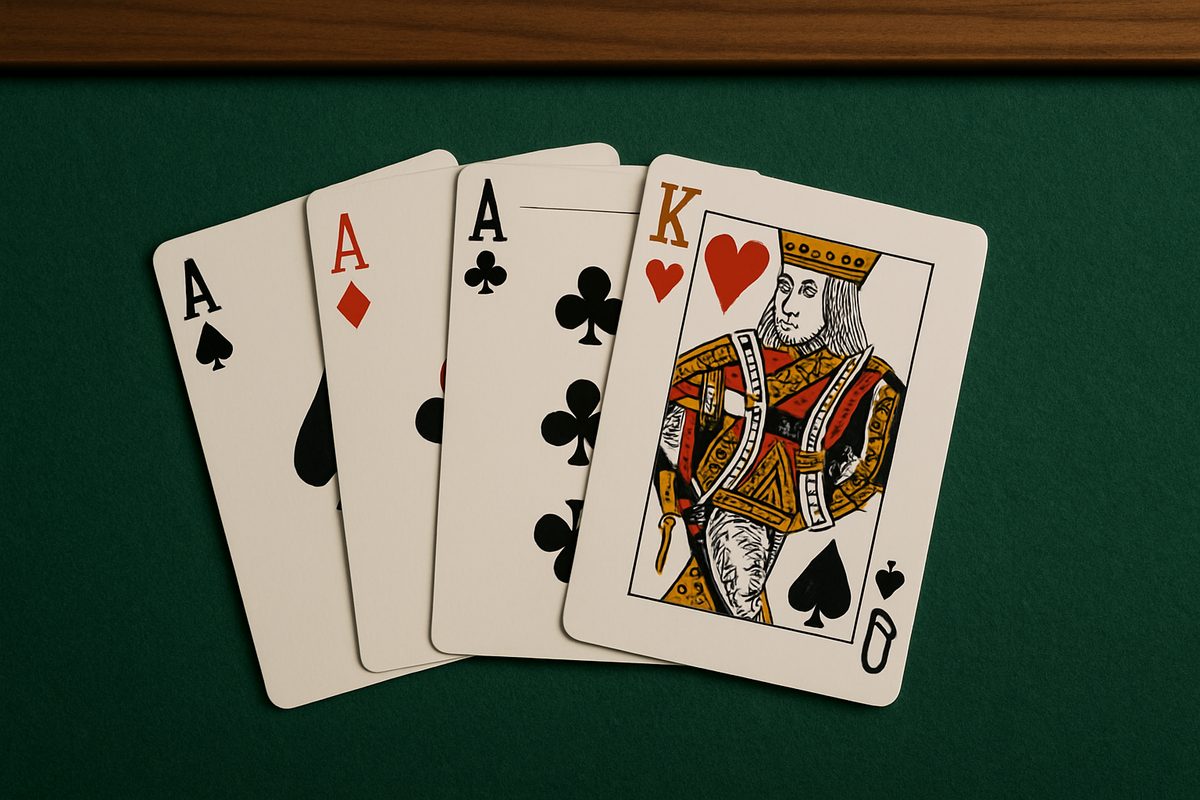
Introduction to Bridge Card Combinations
Understanding card combinations is fundamental to mastering the game of bridge. At its core, bridge is a game of strategy and skill, heavily reliant on the ability to analyze and predict the outcomes of various card arrangements. The concept of card combinations plays a pivotal role in this process, serving as the foundation for effective hand analysis and decision-making throughout the game. For players looking to improve their gameplay, a solid grasp of bridge basics, particularly the different types of card combinations, is essential.
Bridge card combinations refer to the various ways in which cards can be grouped and played together to secure tricks and control the flow of the game. By recognizing and understanding these combinations, players can evaluate the strength and potential of their hands more accurately. This insight enables more strategic bidding and smoother gameplay. Whether you are a beginner learning the ropes or an experienced player refining your skills, appreciating the significance of card combinations will enhance your overall bridge game experience.
The game overview itself is incomplete without an introduction to these card combinations. They help players identify winning sequences such as sequences of high cards, suit establishment methods, and strategic plays like finesses and squeezes. Each card combination works as a tool within the broader game strategy, offering varying degrees of control depending on the hand’s configuration. By mastering these elements in bridge basics, you gain the ability to analyze your hand better, predict opponents’ moves, and optimize your bidding and play.
Hand analysis, a critical aspect of bridge, becomes significantly more effective when paired with knowledge of card combinations. When you understand how to interpret your cards and the potential combinations they form, you can make informed decisions about how to play each trick. This not only increases your chances of winning but also adds depth to your enjoyment of the game. As such, diving into card combinations and integrating this knowledge into your strategy is a step every serious bridge player must take to progress.
Why Card Combinations Matter in Bridge
In bridge, understanding card combinations is key to mastering the strategy behind the game. Each card play is not just a single move but part of a larger tactic that involves predicting opponents’ hands and planning winning combinations. Knowing how cards interact and complement each other allows players to optimize their strategy, making the most of every hand dealt.
Strategic card play involves recognizing potential sequences and partnerships between cards that can secure tricks and ultimately determine the outcome of the game. Players who grasp the nuances of these combinations can control the flow of the game, execute more effective bridge tactics, and increase their chances of success. This skill is particularly valuable when deciding which cards to lead, which suits to develop, and how to manage entries between hands.
Winning combinations in bridge often arise from a deep understanding of probability and card distribution. The ability to anticipate how cards are likely to fall encourages players to devise plans that maximize the utility of their hand while minimizing risks. This strategic foresight is what separates novice players from experienced ones, as it transforms random card play into a calculated and skillful pursuit of victory.
Overview of Common Bridge Card Combinations
In the game of bridge, understanding common combinations of cards is essential for effective hand evaluation and strategy. Players frequently encounter specific card patterns that help determine the strength and potential of their bridge hands. These common combinations can greatly influence bidding decisions and play tactics.
Typical combinations include sequences such as suits run in consecutive order, for example, the combination of an Ace, King, and Queen. Holding such combinations often indicates high card points and control in a suit. Other common patterns involve distributions like balanced hands, where cards are evenly spread across suits, or unbalanced hands with long suits, which signal opportunities for establishing tricks through ruffing or trumping.
Recognizing these card patterns not only aids in evaluating the strength of your hand but also helps anticipate opponents’ holdings and plan defensive or offensive moves. For instance, a common combination of honors concentrated in one or two suits can be a powerful asset, while a lack of such combinations might mean the need for a more cautious approach. Mastery of these patterns enhances overall gameplay and increases the chances of success in bridge.
In summary, familiarizing yourself with common combinations and their significance allows you to judge your bridge hands more accurately and make smarter strategic choices. This knowledge forms the foundation for effective hand evaluation and ultimately improves your performance at the table.
Types of Bridge Card Combinations
In the game of bridge, understanding the various types of combinations is key to mastering strategy and play. These combinations primarily involve sequences, suit combinations, and honor combinations, each playing a significant role in how cards are managed and played during the game.
Sequence combinations consist of cards that follow one another in numerical order within the same suit. For example, a sequence might include the 5, 6, and 7 of hearts. Recognizing and playing sequences effectively can allow a player to maintain control of the suit and potentially cash multiple tricks. Sequences are fundamental types of combinations that often establish the flow of the game and the player’s capacity to control winning cards.
Suit combinations refer to the collection of cards held within a single suit. These combinations can be varied and may include sequences, scattered cards, or a mixture of both. Effective use of suit combinations involves understanding how to maximize the strength of the cards in that suit, whether through leading with certain cards, finessing, or establishing long suits to win extra tricks. Players must assess the distribution and strength of suit combinations to optimize their play.
Honor combinations are composed of the highest-ranking cards in a suit: typically the Ace, King, Queen, Jack, and Ten. These honors hold significant value because they often capture tricks or force opponents to play valuable cards prematurely. Knowing how honor combinations interact, such as how the King can support the Ace or how the Queen and Jack work together, is critical for planning successful leads and defensive plays.
Combining sequences with honor cards can create powerful playing opportunities. For instance, a sequence starting with an honor card, like the Queen, Jack, and Ten, can be more valuable than a scattered set of lower cards because it allows better control over how tricks are won. Players must evaluate the types of combinations they hold to decide on the best tactics, such as whether to aggressively pursue tricks or conserve cards for later strategic plays.
In summary, mastering the different types of combinations — including sequences, suit combinations, and honor combinations — is essential for bridge players looking to enhance their gameplay. Each type offers unique strategic possibilities that, when recognized and utilized well, greatly improve the chances of success in the game.
Suit Sequences and Their Importance
In bridge strategy, suit sequences—consecutive cards of the same suit—play a crucial role in securing tricks. These card runs enhance a player’s ability to establish and take multiple tricks by ensuring that the sequence can be played in order without interruption. When you hold a well-connected suit sequence, you reduce the risk of higher cards being blocked by lower ones, allowing for a smoother and more controlled play.
Having suit sequences increases the chances to force out opponents’ high cards effectively, as it puts pressure on them to play their top cards earlier than they might want. This tactical advantage stems from the predictable order of play inherent in card runs. The more extended and intact your suit sequences, the greater your potential to dominate that suit during the gameplay, increasing the number of tricks you can claim.
Moreover, suit sequences contribute to strategic planning, enabling you to anticipate and respond to opponents’ moves more confidently. They offer stability and reliability in your suit, making it easier to coordinate with your partner’s cards. In summary, mastering the use of suit sequences is an essential element in bridge strategy, as it dramatically improves your chances of taking more tricks and ultimately winning the game.
Honor Card Combinations
Honor cards, often referred to as high cards or bridge honors, play a crucial role in determining the strength and potential of a hand in bridge. These cards—typically the Ace, King, Queen, Jack, and Ten—combine to create powerful suits that influence both bidding strategies and the play of the hand. The presence and sequence of honor cards greatly affect your ability to win tricks and control the play.
When honor cards are combined effectively within a suit, they increase card strength and contribute to establishing a long suit, which can be instrumental in a successful contract. For example, holding several touching honors such as the Ace, King, and Queen in one suit not only offers direct trick-taking power but also reassures your partner about the suit’s potential. This influences bidding decisions by signaling strength and suit length, enabling partners to decide the appropriate level and strain to bid.
During play, well-placed honor card combinations allow declarers and defenders to set up winners or execute strategic plays like finesses. Honors protect each other; for instance, a King supported by the Ace behind it is less vulnerable. Similarly, a sequence of high cards helps maintain control over the suit, preventing opponents from gaining the lead prematurely.
Understanding how honor cards combine and interact is essential for evaluating overall hand strength and making informed decisions. Mastering bridge honors can elevate your bidding accuracy and playing skills, providing a solid foundation for successful partnerships and winning outcomes.
Applying Card Combinations in Bidding and Play
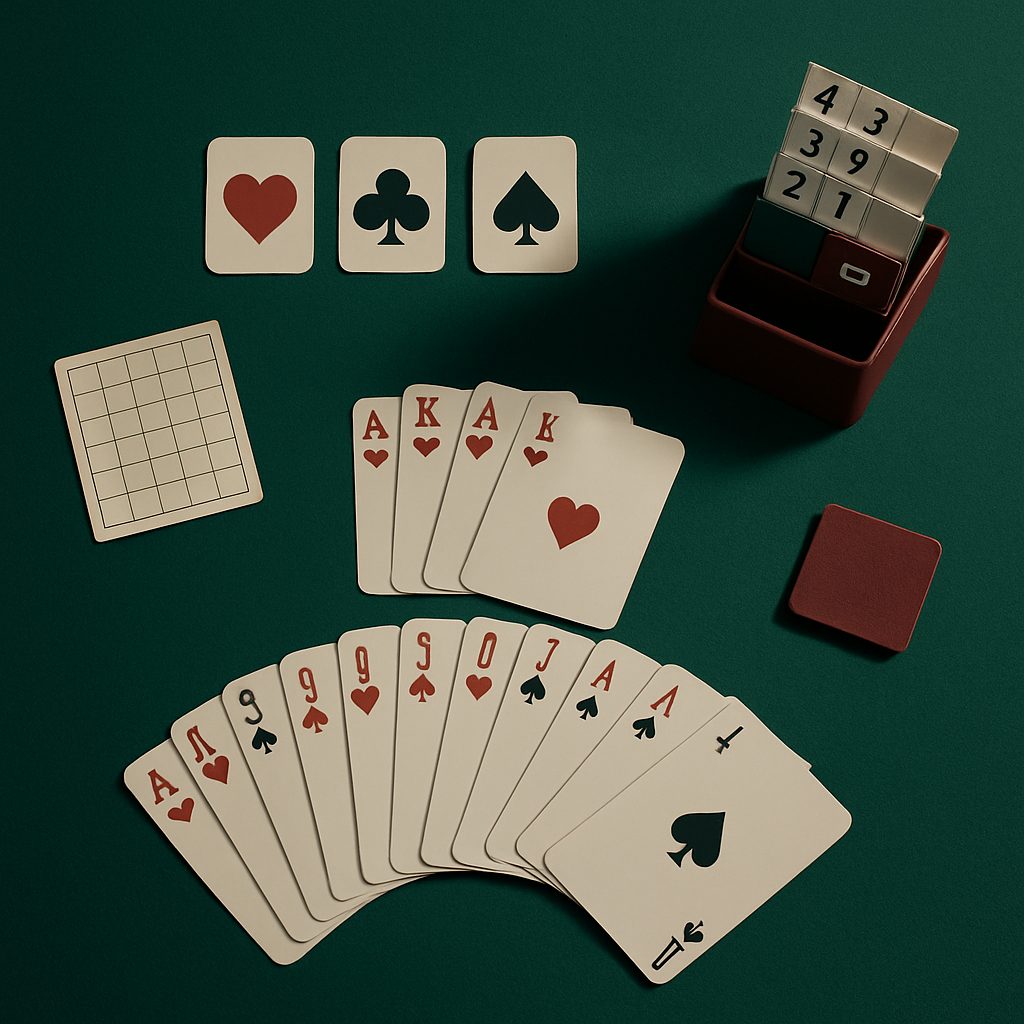
Understanding card combinations is essential not only in the play of the hand but also during the bidding stage. Effective use of bidding strategy relies heavily on accurate hand evaluation, which in turn depends on recognizing potential card combinations within your hand. By analyzing your high card points alongside the distribution and interplay of suits and combinations, you can communicate more precise information to your partner.
During bidding, consider the strength of your card combinations when deciding how to describe your hand. Strong combinations such as sequences or solid suits allow you to bid aggressively and explore for game or slam contracts. Conversely, scattered or weak combinations may call for more conservative bidding or the use of conventional bids that reveal limited combinations. Recognizing these patterns helps you avoid missteps that could cost valuable contract points.
In the play phase, knowledge of card combinations in play allows you to plan your strategy and anticipate opponents’ strengths and weaknesses. For example, knowing the common combinations that can produce tricks in a suit helps you decide whether to finesse, establish a suit, or play for a drop. Skillful hand evaluation, combined with observations made during the bidding, can inform your bridge tactics and increase the likelihood of success.
Combining these insights from bidding and play ensures you use card combinations to their fullest potential. This dynamic understanding converts hand evaluation into actionable bridge tactics, enabling proactive decisions rather than reactive ones. Whether cooperating with your partner or countering your opponents, grasping the practical applications of card combinations in bidding strategy and card combinations in play is a cornerstone of expert bridge technique.
Card Combinations in Bidding Decisions
Effective bidding in bridge relies heavily on accurately evaluating your hand strength through card combinations. Understanding which combinations work well together enables you to make more informed bidding choices and plan the contract with greater confidence. To start, assess the overall point count, but don’t rely solely on high card points; consider distribution and suit quality as part of combination evaluation.
Look for strong suits where your cards form solid sequences or honor combinations, such as KQJ or AQx, which increase the potential to win tricks and support successful contract planning. Evaluate your hand for complementary patterns, like having both shortness in one suit and length in another, which enhances your bidding strength despite a moderate high card count. This nuanced view of hand strength helps communicate better with your partner during the bidding process.
When making bidding decisions, also consider how your card combinations fit with your partner’s likely holdings. Bidding tools such as point count adjustments and visualizing combined hands enable you to gauge the best contract. Remember that accurate combination evaluation leads to stronger bids and reduces the risk of overbidding or missing a game. Overall, mastering card combinations is essential for effective bidding and successful contract planning in bridge.
Using Combinations to Plan Winning Plays
In bridge, mastering winning plays hinges on effective trick planning and precise card coordination. To maximize your tricks during play, it is essential to understand how different card combinations work together as part of your overall bridge tactics.
Card combinations allow you to create winning sequences by leveraging the strengths of your holdings while minimizing losses. Successful trick planning involves recognizing potential winning cards in your hand and your partner’s, and then coordinating plays to promote those cards at the right time. For example, by leading low cards from one hand to set up higher cards in the other, you can force opponents to play prematurely, thus securing additional tricks.
Bridge tactics that emphasize coordination between hands—such as finessing or establishing suits—help ensure you retain control over the play. Timing is crucial when using combinations; the order in which you play cards can either create or destroy opportunities to win tricks. By anticipating opponents’ responses, you can plan a sequence of winning plays that effectively capitalize on your card combinations.
Ultimately, the ability to coordinate card combinations elevates your strategic play and leads to greater success at the bridge table. A well-planned approach to trick planning not only maximizes your tricks but also disrupts opponents’ strategies, making your bridge tactics a decisive advantage.

I’ve been playing bridge and other card games since my grandparents taught me the basics at age eight. I love exploring strategy, history, and the community behind each game, and I enjoy sharing tips and stories with fellow enthusiasts.