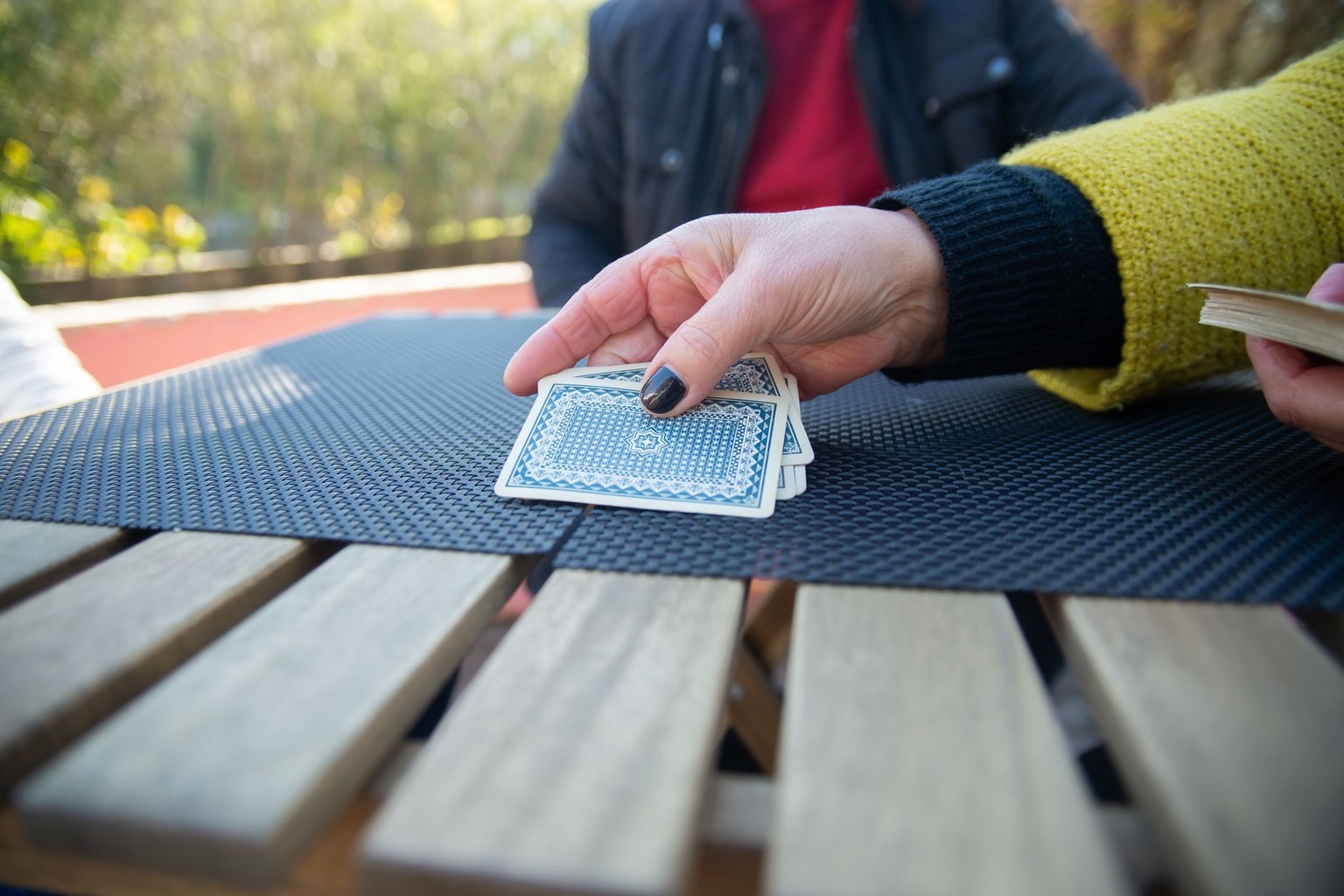
Bridge is a game of subtle communication where every bid and play tells a story. Unlike faster card games, it rewards patience and systematic thinking. I’ve seen many newcomers quit early because they treat it like a lottery rather than a disciplined partnership sport. The first step is mastering the auction language, not memorizing every possible hand combination. A standard 52-card deck splits into four suits, and understanding how to evaluate strength, typically 4-3-2-1 points for honors, creates a foundation for confident bidding. You don’t need to be a math whiz, but basic counting skills separate the casual player from the serious student. Trust your partner’s signals, and remember that a well-timed pass can be as powerful as a bold bid. Start by observing experienced players, noting how they describe their hands through their choices, and resist the urge to overbid early hands. The journey is long, but the intellectual satisfaction of a perfectly executed contract is unmatched in the card world.
Master the Bridge Deck: Understanding Card Values and Suits
The first thing any newcomer to bridge must grasp is that the deck is not a random collection of pieces but a structured system of four distinct suits, each carrying its own hierarchy of worth, getting started. Spades and hearts are the major suits, traditionally ranked above clubs and diamonds, and within each suit the ace stands as the highest single card, followed by the king, queen, jack and then the numbered cards descending in value down to the two. This numerical gradient means that a hand containing four aces instantly commands more trick-taking potential than a hand filled with low pips, though the true power of a card often shifts depending on whether it is trump or not. Understanding that the jack outranks the ten, and the ten outranks the nine, creates a mental framework that allows a beginner to quickly assess which cards in their opening hand might win a trick against an opponent’s lead. Moreover, the concept of honor cards, aces, kings, queens and jacks, becomes central because these four cards per suit are the ones most likely to secure tricks when played correctly, making their distribution across the four hands a primary focus during the bidding and play phases.
Beyond the simple rank of individual cards, the suit itself acts as a categorical filter that determines which player must follow suit when a trick is led, and this rule is where strategic depth emerges for the novice. If a player leads a heart, every other participant must play a heart if they hold one; if they void of that suit, they may play any card from another suit, and the highest card of the led suit wins the trick unless a trump suit has been declared, in which case the highest trump card takes the trick regardless of the original lead. This mechanic means that counting cards and remembering which suits have been exhausted is not merely a memory exercise but a tactical necessity, because forcing an opponent to ruff with a high trump can swing the balance of the hand. Beginners are often advised to lead from their longest and strongest suit early in the play, as this maximizes the chance of establishing tricks and forcing opponents to waste valuable cards, and recognizing the difference between a void, holding no cards of a suit, and a singleton, holding just one, can dramatically alter the bidding strategy and the eventual contract.
Set Up a Home Bridge Table: Equipment, Seating, and Scoring Basics
A standard bridge table measures 48 inches by 30 inches, which leaves little room for error when arranging seating and equipment. For home play, a folding bridge table with a smooth, durable surface, preferably one with rubberized feet to prevent slipping, is ideal. Avoid flimsy folding tables; look for models rated for at least 200 pounds per player, as the weight of cards, bidding stands, and players themselves adds up quickly. If you’re working with a fixed table, ensure it’s free of warping or uneven spots, as even a half-inch difference can disrupt card flow or bidding visibility. Place the table in a well-lit area with natural light or a bright overhead lamp, but avoid glare on the cards, which can make bidding and play harder to read. A small, adjustable desk lamp near each player’s side is a practical addition for focused lighting without shadows.
The seating arrangement follows a strict clockwise rotation, with each player facing their partner across the table. North sits directly across from South, while East and West face each other. Position chairs so the backrests don’t obstruct the line of sight between partners, and keep the distance between players tight, about 18 to 24 inches apart, to maintain smooth card passing. If using folding chairs, opt for ones with armrests to support players during long sessions, but avoid anything with wheels that could scratch the table. Place bidding stands, preferably the collapsible metal or acrylic types, within easy reach of each player, about 6 to 8 inches from the edge of the table. These stands should hold a scorecard, a pencil, and a small notebook for bidding records, but avoid cluttering them with unnecessary items. For scoring, use a standard bridge scorecard with columns for each hand’s tricks, penalties, and total points, and keep a red and black marker handy to mark bids and results clearly.
Learn the Core Rules: Bidding, Play, and Scoring Explained
The bidding phase in bridge is where partners communicate their hand strengths and suit preferences before a single card is played. Players start with North and proceed clockwise, with each bid describing how many tricks they expect to win, starting at one and going up to seven (the number of tricks in a hand, including the opening lead). A bid of one no trump (1NT) means 15 to 17 high-card points and no suit preference, while a bid of one heart, for example, signals four or more hearts and a promise to win at least six tricks. The highest bidder’s side becomes the declarer, and their partner becomes the dummy, laying down their entire hand face-up for all to see. This setup forces declarers to plan a precise play, often relying on partner’s suit strength and trump potential to ensure success, something beginners frequently underestimate in their haste to outbid opponents.
Once the contract is set, the play begins with the lead from the highest-ranking suit among the non-declarer side, or from a trump suit if no such suit exists. Declarers must follow suit when possible, but can discard or overtrump if they lack the required suit. The key to scoring lies in the contract’s success, if declarers win the agreed number of tricks, they earn points based on the level bid (one trump at one level is worth 20 points, while a grand slam at seven trump nets 1,230). Failing to meet the contract costs the side points, with penalties increasing sharply for overtrumps (losing 500 points for a failed seven trump, for instance). Many new players overlook the importance of trump control, assuming any suit can be forced, but mastering when to sacrifice a trump for a better play often separates solid players from those who struggle to meet contracts.
Practice with Online Simulations: Using Bridge Platforms to Hone Your Skills
Modern bridge platforms have transformed how newcomers approach the learning curve, offering structured environments that mimic real-table pressure without the social anxiety of a first face-to-face session. Many sites now feature interactive tutorials that walk a player through bidding sequences step by step, pausing after each call to explain why a particular suit or level was chosen over alternatives. These digital coaches often incorporate hand histories from professional tournaments, allowing a beginner to see how experts navigate complex situations and what reasoning underpins their decisions. The immediate feedback loop is invaluable; if a player misbids, the system highlights the error and suggests the optimal call, turning a mistake into a teachable moment rather than a discouraging setback. I have found that spending just thirty minutes a day on such a simulator can accelerate recognition of common patterns far faster than reading a static textbook ever could.
Beyond basic instruction, the best online communities integrate ranked play and practice modes that scale with a user’s growing competence. Some platforms employ a point system where consistent correct bids earn progress toward higher skill brackets, creating a gentle gamification that keeps engagement high without overwhelming the learner. I particularly appreciate features that allow you to replay a single board multiple times, experimenting with different bidding conventions each run to see how the auction unfolds. This kind of experimentation is difficult to orchestrate with human partners who may not have the patience for repeated trials. The ability to pause, analyze a bidding box, and then resume play mirrors the way a golfer practices a specific swing in a driving range before taking it onto the course. For anyone serious about moving from novice to club player, these digital tools are not just optional accessories but essential training grounds.
Common Beginner Pitfalls and How to Avoid Them in Bidding and Play
The most frustrating mistake new players make is jumping into complex bidding sequences before mastering the basics of basic bids. Many try to show a strong hand with opening bids like 2NT or 3♠ too early, often declaring contracts they can’t defend when partner responds with a weak jump. A 2♠ opening bid, for example, should only be used when you have at least 20 high-card points and four aces or kings, not when you’re holding a solid five-card suit with just 15 points. Stick to 1♣ or 1♦ openings first, and avoid overpromising with bids that imply strength you don’t have, like 2♦ when you’re missing the ace and king of that suit. Even a simple 1NT opening requires at least 15 points, not the 12-14 many beginners assume, or you’ll find yourself in vulnerable contracts with no room to maneuver.

Another critical error is ignoring partner’s bids as if they’re irrelevant, treating them like random suggestions rather than structured information. Beginners often forget that partner’s responses aren’t just about suit preferences but also convey precise counts, like a 2♣ response to 1NT meaning 17-18 points and a four-card major. If partner bids 2♦ after your 1NT, they’re not just saying “I like diamonds,” they’re telling you they have 17-18 points and a four-card suit, which changes your entire approach to the auction. Pay attention to the sequence: a 2♥ response after 1NT means 19-21 points and a four-card heart, while 2♠ is 15-17 with a five-card suit. Skipping this step leads to overtricks or missed slams because you’re not accounting for partner’s actual hand strength and distribution. Even in simple auctions, these details matter, like when partner bids 2♣ after your 1NT, you should plan for a game in their suit rather than guessing.
Build a Bridge Routine: Scheduling Practice, Reviewing Hands, and Joining Local Clubs
The best way to progress in bridge isn’t just playing, it’s creating a disciplined practice routine that turns raw exposure into real skill. Start by blocking out at least two focused sessions per week, each lasting 45 to 60 minutes, where you dedicate the first 20 minutes to drilling basic concepts like bidding sequences or defensive plays. Use apps like Bridge Baron or BridgeBase to simulate hands with adjustable difficulty, beginning with beginner-friendly tutorials before tackling intermediate scenarios. Many players underestimate how quickly they’ll plateau without structured review; even 15 minutes daily of reviewing past hands you played, whether through a partner’s notes or online tools like BridgeWiz, adds up to noticeable improvement. Track your progress by logging errors in a notebook or spreadsheet, noting recurring mistakes like overbidding or missing key signals, so you can address them systematically over time.
Beyond solo practice, immersing yourself in live play through local clubs is where the real magic happens. Look for beginner-friendly sessions, often labeled as “open mics” or “new player nights,” where the pressure is lower and players are more inclined to explain calls. Clubs like the American Contract Bridge League (ACBL) host regular events with mixed-level tables, which means you’ll face opponents from absolute beginners to experienced players, something you won’t get from online practice alone. Pro tip: arrive early to observe how higher-level players handle tricky hands, then ask them for feedback afterward. Many clubs also offer free or low-cost workshops covering topics like auction theory or carding techniques, which can fill gaps in what you’re learning on your own. Don’t wait until you’re “ready”, most clubs welcome first-timers, and the social aspect alone makes the habit stick, turning practice from a chore into something you look forward to.

I’ve been playing bridge and other card games since my grandparents taught me the basics at age eight. I love exploring strategy, history, and the community behind each game, and I enjoy sharing tips and stories with fellow enthusiasts.