
Bridge requires more than just knowledge of the rules; it demands sustained attention, rapid pattern recognition, and the ability to hold several lines of reasoning in mind at once. A single hand can involve eight tricks, a bidding auction with multiple possible contracts, and the need to infer opponents’ intentions from limited information. When concentration slips, a player may miss a crucial cue, miscount a trick, or choose an inferior line of play, and the cost is often reflected in the score. Understanding why focus is a core skill helps players treat concentration like any other aspect of the game that can be trained and measured. The most successful partnerships treat mental sharpness as a shared responsibility, because a lapse by one player can cascade into a partnership error that is difficult to recover from.
Designing a distraction‑free playing space
Even the most experienced bridge players find their concentration compromised by external noise, uncomfortable seating, or inconsistent lighting. A well‑lit table that eliminates glare reduces eye strain, while a chair with adequate back support prevents the subtle fatigue that builds over several hours of play. Many clubs recommend a quiet room with a single clock that signals each player’s time, because the rhythmic ticking reinforces a sense of order and keeps the mind from wandering. Removing mobile phones, turning off televisions, and limiting conversations to bridge‑related topics create an environment where the brain can devote its resources to the cards on the table rather than to peripheral distractions.
When a player cannot control the ambient environment, small personal adjustments can still make a difference. Using noise‑cancelling headphones that play low‑volume classical music has been shown to improve focus for individuals who are sensitive to sudden sounds. Keeping a bottle of water within reach prevents dehydration, which is a common cause of mental fog. Some players keep a notepad to jot down quick observations about opponents’ bidding style; the act of writing reinforces attention and prevents the mind from drifting into unrelated thoughts.
Physical routines that reinforce mental stamina
Physical health and mental concentration are tightly linked, and bridge players who neglect basic bodily needs often see a decline in their performance during marathon sessions. Regular aerobic exercise, such as a brisk 30‑minute walk three times a week, increases blood flow to the brain and sharpens the ability to sustain attention for longer periods. Nutrition also plays a pivotal role; meals rich in complex carbohydrates, lean protein, and omega‑3 fatty acids provide a steady release of glucose, which fuels the brain’s processing centers without the spikes and crashes associated with sugary snacks.
During a typical bridge tournament, players may sit for five to six hours without a break, which can lead to muscular tension and reduced alertness. Simple stretches, rolling the shoulders, flexing the wrists, and standing up to stretch the legs every hour, help maintain circulation and prevent the stiffness that can distract from strategic thinking. Hydration is equally important; sipping water at regular intervals keeps the mind clear, and a small cup of coffee can be used strategically before a particularly demanding round, provided the caffeine intake is moderated to avoid jitteriness.
Structured practice sessions to sharpen focus
Deliberate practice, rather than mindless repetition, is essential for building the concentration required in high‑level bridge. Players who allocate specific time blocks to work on particular aspects, such as defensive signaling, declarer play, or advanced bidding conventions, train their brains to switch quickly between different mental tasks. A typical session might begin with a 15‑minute warm‑up of quick card‑counting drills, followed by a 30‑minute analysis of a previously played hand, and conclude with a 20‑minute simulated auction against a computer opponent.
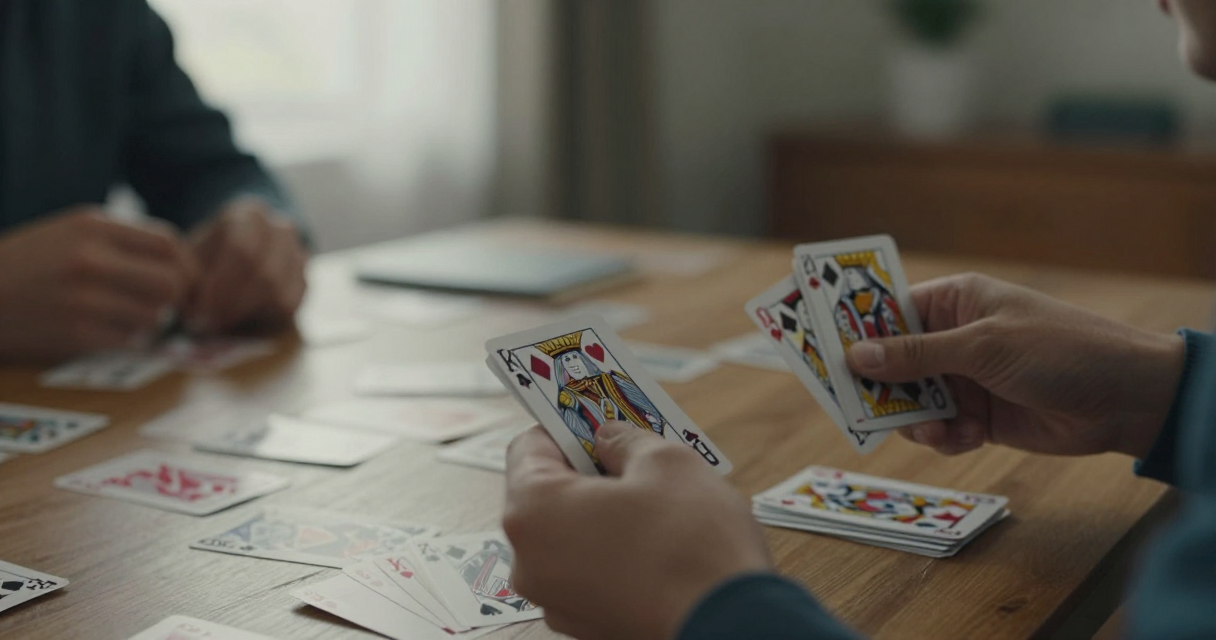
Consistency is key; scheduling practice at the same time each day creates a routine that cues the brain into a focused state. Using a timer to limit each segment prevents the mind from slipping into complacency, because the awareness of an impending transition keeps attention heightened. Recording the outcomes of each practice round and reviewing errors later reinforces learning, as the act of reflecting on mistakes consolidates the mental pathways needed for future concentration.
Memory techniques for bidding and play
Bridge relies heavily on short‑term memory, especially during the bidding phase where players must retain information about partner’s responses, opponents’ bids, and the evolving hand pattern. One effective method is the “chunking” technique, which groups related pieces of information into a single mental unit; for example, remembering a 4‑card heart suit together with a specific point count rather than as separate facts. This reduces the cognitive load and frees mental capacity for evaluating the next move.
Another proven strategy is the use of mnemonic anchors, such as associating each bidding convention with a vivid image or a short phrase. When a player hears a “Stayman” inquiry, visualizing a man standing still can trigger the appropriate response without the need for conscious deliberation. Repetition of these anchors during practice solidifies the connections, allowing the brain to retrieve the needed information automatically, which in turn preserves concentration for more complex aspects of the hand.
Managing stress and staying present during long sessions
Stress is a silent concentration killer, and bridge tournaments often generate high pressure due to time constraints, score tracking, and the desire to perform well. Mindful breathing techniques, taking a slow inhale for four counts, holding for two, and exhaling for six, help activate the parasympathetic nervous system, which calms the mind and reduces anxiety. Incorporating a brief mindfulness pause between hands, even if it lasts only ten seconds, can reset attention and prevent the accumulation of mental fatigue.

Another practical approach is to set micro‑goals for each round, such as “accurately count the opponents’ trump cards” or “maintain a steady pace without rushing.” By focusing on these small, achievable objectives, players avoid becoming overwhelmed by the larger tournament narrative. When a setback occurs, such as losing a contract, reframing the experience as a learning opportunity rather than a failure helps maintain a positive mindset, which is essential for preserving the level of concentration required to recover in subsequent hands.

I’ve been playing bridge and other card games since my grandparents taught me the basics at age eight. I love exploring strategy, history, and the community behind each game, and I enjoy sharing tips and stories with fellow enthusiasts.